Aalborg University Buys Quantum Computer to Train Engineers
Aalborg University is purchasing a small two‑qubit quantum computer for hands‑on engineering education, with plans to expand to seven qubits by 2027.
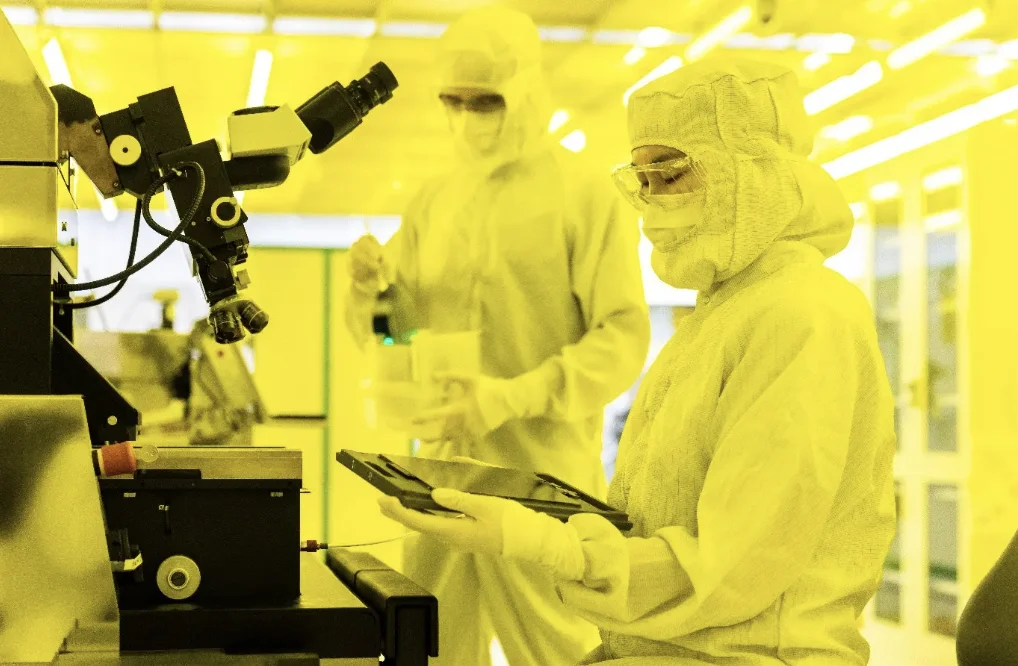
Aalborg University Takes a Hands‑On Approach to Quantum Education
Denmark’s Aalborg University (AAU) announced it will acquire a modest quantum‑computing system to give engineering students direct experience with quantum hardware. The system, slated for delivery and installation in 2027, will initially contain two physical qubits and later be expanded to seven qubits. While tiny compared with the thousand‑plus‑qubit machines fielded by industry giants, the purchase reflects a strategic shift: treating quantum computers as engineering tools rather than purely research platforms.
Why a Small Quantum Processor?
Professor Rafal Wisniewski, head of AAU’s Department of Electronic Systems, emphasizes that the university’s goal is to train the next generation of quantum engineers. “We do not look at the quantum computer from the perspective of a physicist or mathematician, but from that of an engineer,” he says. By working with real hardware, students can learn how to control qubits, read out results, and troubleshoot cryogenic systems—skills that will be essential when larger, fault‑tolerant machines become commonplace.
The university also plans to leverage the processor for energy‑ and materials‑focused research, exploring how quantum algorithms might address complex optimization problems in the green transition. Although a two‑qubit device cannot outperform classical computers on most tasks, it can serve as a testbed for prototype algorithms and component‑level studies.
The Supply Chain: ConScience, Quantum Machines, and Bluefors
AAU’s system will be assembled by ConScience, a Swedish nanofabrication firm, using a control stack from Quantum Machines (Israel) and cryogenic hardware from Bluefors (Finland). Quantum Machines’ CEO, Itamar Sivan, highlights that their control system will let students practice the full workflow—from pulse shaping to measurement—mirroring the operations of larger quantum computers. Bluefors will provide the dilution refrigerator that keeps the qubits at millikelvin temperatures, a critical piece of infrastructure for any quantum platform.
From Classroom to Industry
Aalborg University has a history of pioneering engineering projects, including launching Denmark’s first student nanosatellite in 2003. The university hopes the quantum computer will follow a similar trajectory, fostering a regional ecosystem of quantum‑focused startups and research groups. By exposing engineers early to quantum hardware, AAU aims to accelerate the development of smaller, more energy‑efficient quantum components, a key hurdle for scaling the technology.
Practical Outlook
The purchase is a teaching‑first investment rather than a bid to compete in quantum‑computing benchmarks. Students will gain hands‑on experience with a real device, learning the practical challenges of qubit control, error mitigation, and system integration. As the processor expands to seven qubits, AAU will be positioned to explore modest quantum‑algorithm demonstrations and contribute to the broader European effort to build a skilled quantum workforce.
---
The acquisition underscores a growing trend among engineering schools: integrating quantum hardware into curricula to bridge the gap between theory and real‑world implementation. While the system’s scale is limited, its educational impact could be significant, preparing engineers for the quantum era ahead.
Hype check
Not a research claimThe article reports Aalborg University buying a small quantum computer for education; no performance claim is made to assess.
We rate research and technical results only. How we rate hype →
Source
Read original sourceWhy we picked this
Accepted from curated QuantumUnzipped source (relevance scoring disabled).