California invests in fusion and quantum research.
California’s new laws and funding packages aim to make the state a leader in fusion power and quantum technology, driving clean energy, high‑tech jobs, and a stronger supply chain.
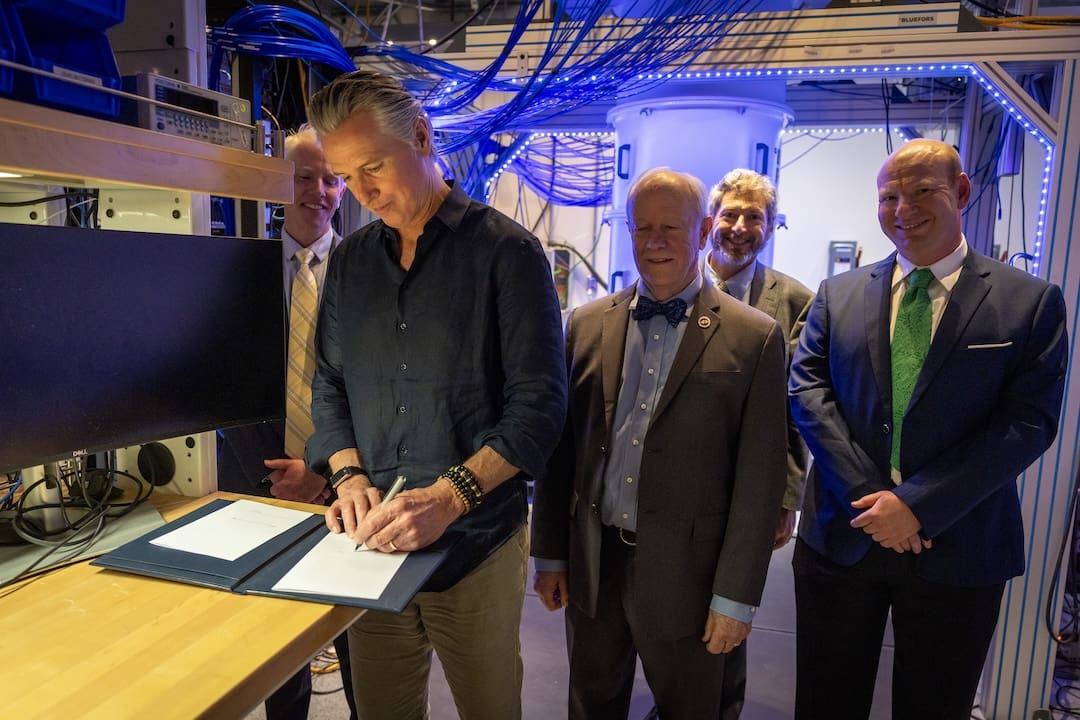
California’s Bold Leap into Fusion and Quantum Research
California has just signed a sweeping set of laws that will put the state at the forefront of two of the most transformative energy and technology fields: fusion power and quantum science. Governor Gavin Newsom’s legislation, coupled with a $5 million fusion‑R&D boost and a $2.7 million Quantum FAST Challenge, signals a strategic pivot toward a future where clean, abundant energy and quantum‑enabled computing are part of the everyday landscape.
Fusion: From Lab to Grid
The new bills create a comprehensive fusion roadmap that goes beyond grant programs. They mandate a state‑wide assessment of potential nuclear facilities, a public‑input process, and a clear timeline for integrating fusion into California’s energy mix. The goal is to help the state hit its 2045 zero‑carbon electricity target while building a domestic industry that could rival Silicon Valley’s tech ecosystem.
California already hosts world‑class fusion research centers—DIII‑D in San Diego and the National Ignition Facility at Lawrence Livermore National Laboratory—where scientists achieved ignition in 2022. The legislation will channel state resources into manufacturing, commercial strategy, and workforce development, ensuring that the state’s existing research infrastructure translates into real‑world power plants.
Quantum: Building the Workforce and Supply Chain
While fusion takes the spotlight, the law also earmarks significant funding for quantum research. The $2.7 million Quantum FAST Challenge and a $3 million Workforce Accelerator Fund aim to nurture talent across UC Berkeley, UCLA, Caltech, and the private sector. California’s dominance in critical‑mineral production—about 15 % of the world’s rare‑earth supply—provides a natural advantage for quantum hardware manufacturing.
Recent tax credits have already attracted over $1 billion in private investment from companies such as Samsung Semiconductor and MP Materials. These incentives help secure the supply chain needed for both quantum processors and the advanced materials required for fusion reactors.
Economic and Climate Implications
With a 2025 GDP of $4.25 trillion and a 3.7 % growth rate in early 2026, California’s economy is poised to absorb these ambitious projects. Fusion offers a near‑limitless, low‑carbon power source that could reduce reliance on fossil fuels and stabilize electricity prices. Quantum technologies promise breakthroughs in cryptography, materials science, and AI, creating high‑skill jobs and positioning California as a global tech leader.
Looking Ahead
The legislation is a clear statement: California will invest in the next generation of energy and computing. By aligning research, industry, and workforce development, the state is setting up a virtuous cycle that could deliver both climate benefits and economic growth. The next few years will reveal whether this bold strategy can turn the laboratory successes of fusion and quantum science into everyday realities for Californians.
Practical Takeaway
- Fusion: Expect a structured state plan, public input, and a push toward commercial reactors by 2045.
- Quantum: Look for new talent pipelines, supply‑chain incentives, and private investment in hardware.
- Impact: These moves could lower carbon emissions, stabilize power costs, and create high‑wage tech jobs.
California’s dual focus on fusion and quantum research is a strategic bet on a cleaner, smarter future—one that could set the standard for the rest of the world.
TL;DR
California’s new laws and funding packages aim to make the state a leader in fusion power and quantum technology, driving clean energy, high‑tech jobs, and a stronger supply chain.
Source
Read original sourceWhy we picked this
Accepted from curated QuantumUnzipped source (relevance scoring disabled).