Horizon Quantum’s Triple Alpha integrates with OQC’s QPU
Horizon Quantum’s Triple Alpha IDE now supports pulse‑level access to OQC’s 32‑qubit Toshiko processor.
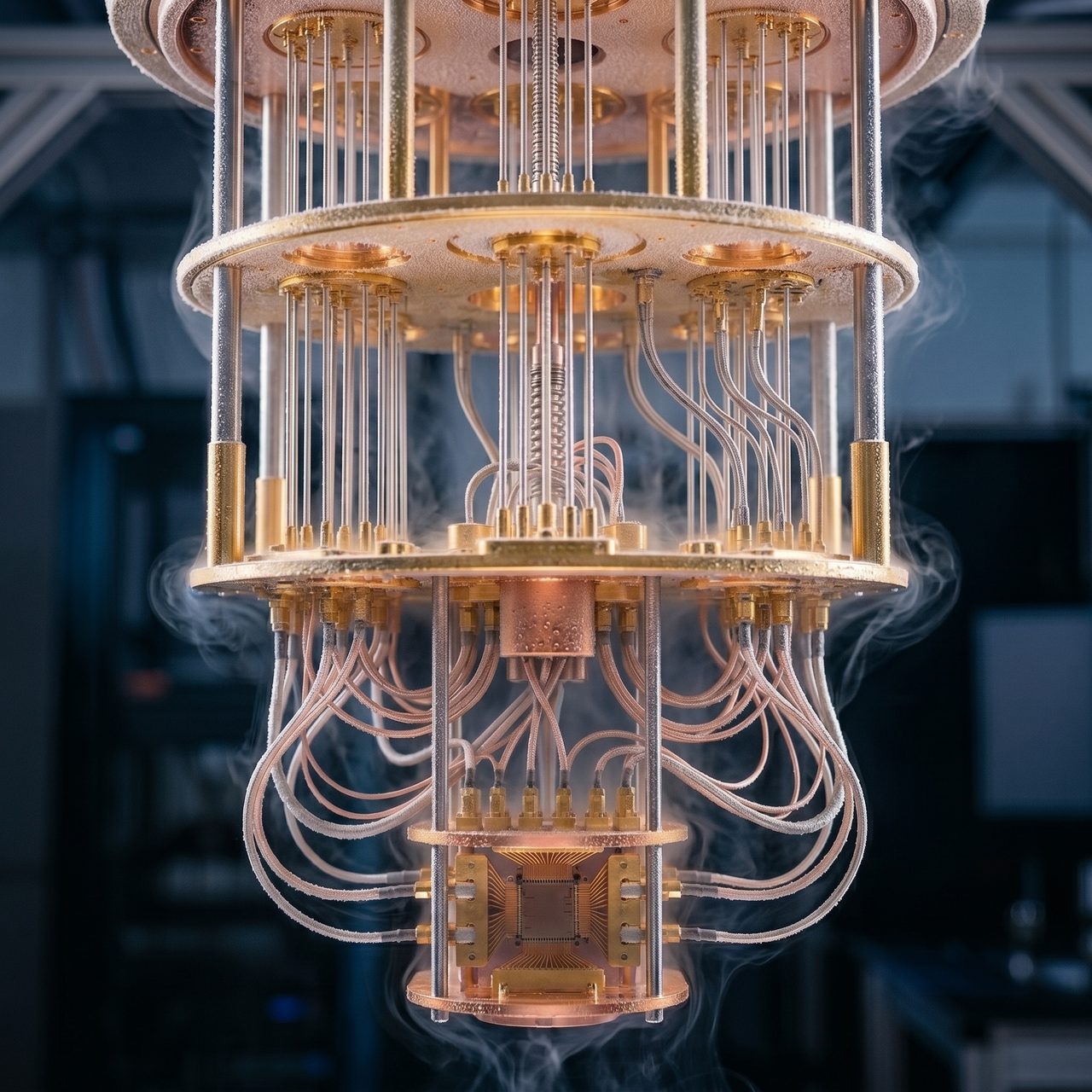
Integrated Pulse‑Level Control for OQC’s Toshiko QPU
Horizon Quantum has announced that its Triple Alpha integrated development environment (IDE) can now communicate directly with OQC’s 32‑qubit superconducting quantum processing unit, Toshiko, at the pulse‑level. This integration lets developers program the raw microwave pulses that drive qubits, perform on‑device characterisation (e.g., T₁ and T₂ measurements), and run gate‑calibration routines without leaving the IDE.
Why Pulse‑Level Access Matters
Superconducting qubits are manipulated by carefully shaped electromagnetic pulses. Traditionally, developers use separate low‑level toolchains (such as Qiskit‑Pulse or proprietary control stacks) to define these waveforms, while higher‑level languages handle algorithmic logic. By exposing pulse‑level control inside Triple Alpha, Horizon Quantum removes that friction, allowing a single code base to:
- Measure qubit relaxation (T₁) and dephasing (T₂) directly from the IDE, giving immediate insight into hardware health.
- Calibrate gates on‑the‑fly, improving fidelity for subsequent algorithm runs.
- Port programs across different back‑ends because the same pulse definitions can be reused with other hardware that supports the same API.
How the Integration Works
The partnership leverages a web‑based API that forwards pulse specifications from Triple Alpha to OQC’s control system. Users write code in the familiar Triple Alpha language, embed pulse descriptors, and submit jobs to Toshiko. OQC’s Chief Product Officer, Simon Phillips, notes that this “close integration between hardware and software” is essential for scaling quantum applications beyond proof‑of‑concept demonstrations.
Practical Implications for Developers
- Faster iteration: Calibration loops that previously required manual data export can now be scripted end‑to‑end.
- Better hardware awareness: Developers can tailor algorithms to the specific coherence times of the qubits they are using, potentially squeezing more performance out of noisy intermediate‑scale quantum (NISQ) devices.
- Unified workflow: The same development environment can target both simulated back‑ends and real hardware, simplifying testing and deployment.
Looking Ahead
While the integration does not itself increase qubit count or error‑correction capabilities, it represents a step toward more seamless quantum software stacks. As more vendors expose low‑level controls through standardized APIs, the ecosystem will likely see a proliferation of custom calibration and error‑mitigation techniques, accelerating the path from experimental hardware to practical quantum advantage.
For more details, see the original announcement on Horizon Quantum’s website.
Hype check
Not a research claimThe story announces a software‑hardware integration, not a research result; there is no performance data to evaluate.
We rate research and technical results only. How we rate hype →
Source
Read original sourceWhy we picked this
Accepted from curated QuantumUnzipped source (relevance scoring disabled).