Illinois invests $500 million to build a quantum campus on Chicago’s lakefront
Illinois is allocating $500 million to transform a former steel plant on Chicago’s lakefront into the Illinois Quantum and Microelectronics Park, anchoring a new hub for quantum research, industry, and education.
Introduction
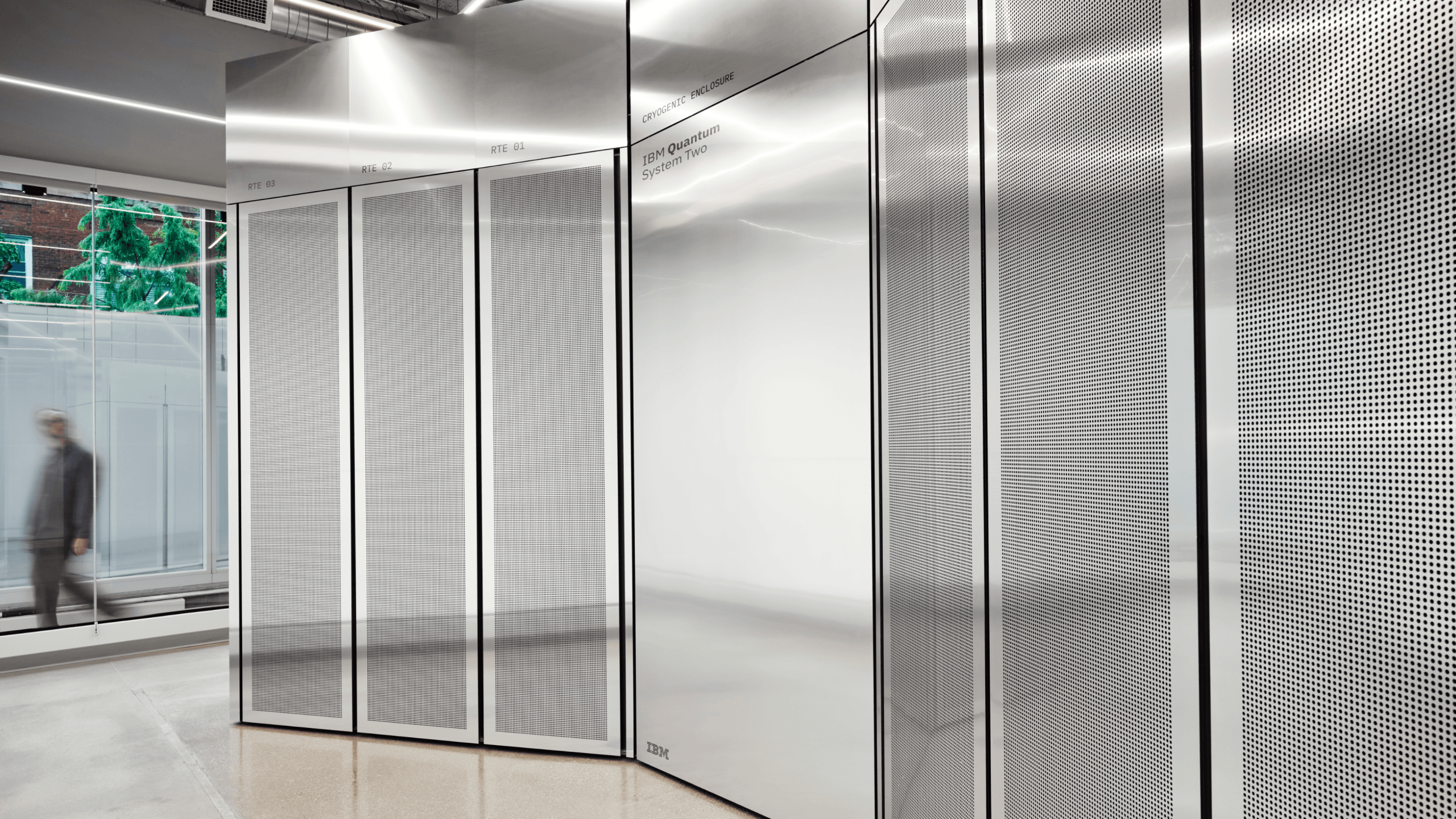
Illinois has committed $500 million to repurpose the historic U.S. Steel South Works site on Chicago’s lakefront into the Illinois Quantum and Microelectronics Park (IQMP). The campus will host an IBM Quantum System Two equipped with the Nighthawk r2 processor, creating a highly visible quantum computer that will sit alongside university labs, high‑performance computing resources, and a growing ecosystem of startups and research partners.
A Landmark Investment in a Historic Setting
The decision to locate the quantum campus on a former industrial waterfront signals a deliberate strategy: embed cutting‑edge technology within an established urban environment. By converting a once‑manufacturing hub into a research and development park, Illinois aims to:
- Preserve and revitalize valuable real‑estate while showcasing a forward‑looking vision for the city.
- Provide a tangible landmark that inspires students and residents, as IQMP’s CEO Harley T. Johnson notes, “It’s probably the most publicly visible quantum computer in the world.”
- Leverage Chicago’s existing talent pool—engineers, physicists, and computer scientists who have historically fed Silicon Valley’s growth.
Building a Collaborative Quantum Ecosystem
IQMP is designed as a shared space for multiple stakeholders:
- Academic partners such as the University of Chicago and the University of Illinois will have direct access to the IBM system for coursework and research.
- National labs like the National Center for Supercomputing Applications (NCSA) are already integrating their DeltaAI supercomputer with IBM’s quantum hardware, demonstrating the feasibility of quantum‑HPC workflows.
- Industry collaborators including IBM, the Electric Power Research Institute (EPRI), and local startups will explore practical applications—from quantum‑optimized power‑grid management to advanced materials modeling.
- State agencies—the Illinois Department of Commerce, P33, and the Illinois Economic Development Corporation—provide policy support and funding mechanisms that help retain talent and attract global expertise.
Early Scientific Milestones
Since the system’s relocation from Hyde Park Labs, researchers have achieved several noteworthy results:
- Quantum‑HPC convergence enabled the calculation of Cu₃C₆O₆, a complex kagome‑lattice metal, by coupling NCSA’s DeltaAI with the IBM quantum processor.
- Logical‑qubit breakthrough: a 70‑logical‑qubit computation completed in roughly 15 minutes, surpassing classical simulation capabilities and incorporating built‑in verification.
- LASSQD method: a new quantum‑centric algorithm that replaces classical fragment solvers with sample‑based quantum diagonalization, allowing the modeling of a 26‑electron iron‑porphyrin fragment beyond the reach of traditional exact‑diagonalization.
These demonstrations illustrate how the IQMP’s integrated hardware can accelerate research across materials science, chemistry, and beyond.
Economic and Educational Impact
Beyond scientific output, the campus is expected to generate significant economic benefits:
- Job creation for quantum engineers, software developers, and support staff.
- Startup incubation through proximity to venture capital and university spin‑outs.
- Workforce development—students will regularly pass a functioning quantum computer on their way to class, fostering a pipeline of talent familiar with quantum technologies.
- Regional leadership—the Midwest, already known for its engineering talent, can position itself as a national hub for quantum innovation, complementing existing centers in the Bay Area and the East Coast.
Looking Ahead
The IQMP’s first phase focuses on establishing the IBM Quantum System Two and integrating it with existing HPC resources. Subsequent phases will expand microelectronics fabrication capabilities, create dedicated quantum‑software labs, and attract additional corporate partners. As the campus matures, its visibility and collaborative model could serve as a template for other states seeking to blend legacy infrastructure with next‑generation technology.
--- Illinois’s $500 million quantum campus marks a bold step toward making Chicago a visible, interdisciplinary hub for quantum research, industry, and education, with the potential to reshape the regional economy and inspire the next generation of quantum scientists.
Source
Read original sourceWhy we picked this
Accepted from curated QuantumUnzipped source (relevance scoring disabled).