Infleqtion’s Sqale entangles 30 logical qubits with 80 Atoms
Infleqtion claims its Sqale neutral‑atom processor has entangled 30 logical qubits using 80 atoms.
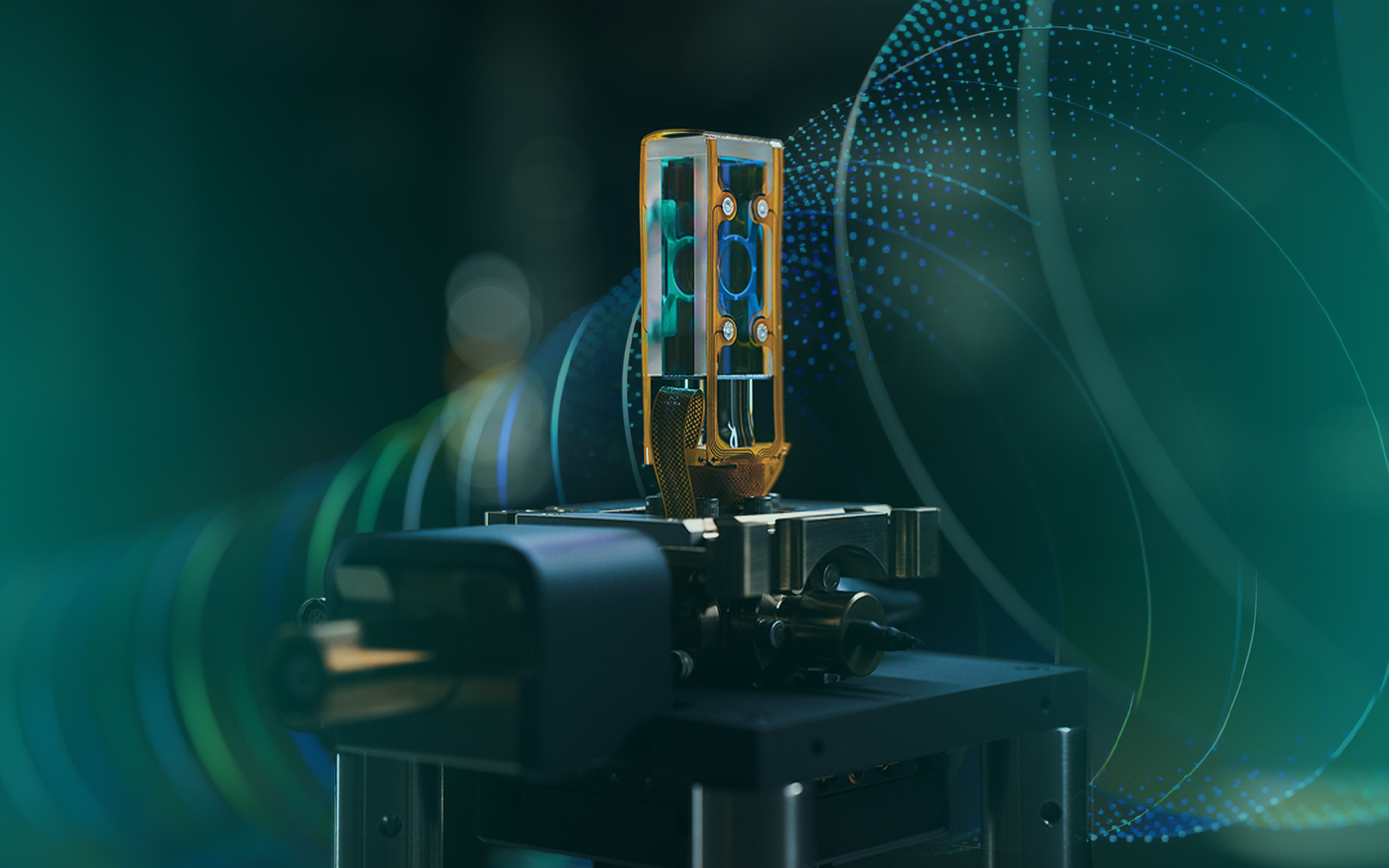
Infleqtion’s Sqale Milestone: 30 Logical Qubits from 80 Atoms
Infleqtion announced that its neutral‑atom quantum computer, Sqale, has achieved entanglement of 30 logical qubits by arranging 80 physical atoms into ten blocks of eight. The company frames the result as a major step forward for error‑corrected quantum computing and positions neutral‑atom technology as a scalable alternative to superconducting platforms.
How the 30‑Logical‑Qubit State Was Built
Sqale’s architecture groups eight atoms into a block that encodes three logical qubits via a surface‑code‑like error‑correction scheme. By preparing ten such blocks in parallel, the team reports a single quantum state that simultaneously entangles all 30 logical qubits. According to the company, the process required precise control of atom positioning and laser illumination, reducing the number of two‑qubit gates per logical operation compared with earlier demonstrations.
Why Neutral Atoms Matter
Neutral‑atom qubits are formed from individual atoms trapped in optical tweezers, eliminating the need for lithographic circuit fabrication. Infleqtion argues that this “nature‑built” approach simplifies scaling: adding more qubits is largely a matter of extending the tweezer array and improving laser control. The company also highlights its two‑decade heritage—originating as ColdQuanta in 2007—and its parallel work on atomic‑clock‑grade sensing, which it says informs the precision required for quantum‑gate operations.
Industry Reaction and Outlook
The announcement has drawn attention from competitors. The article notes that Google’s neutral‑atom lab, led by Hartmut Neven, was reportedly motivated by Infleqtion’s progress in error correction. Infleqtion’s roadmap now targets 100 logical qubits by 2028, building on the current 30‑qubit demonstration. While the claim is ambitious, the company has not yet released a peer‑reviewed manuscript or independent verification of the result.
---
Infleqtion’s claim represents a noteworthy engineering achievement, but the lack of external validation means the broader quantum‑computing community will be watching for detailed data and reproducibility before treating the milestone as a definitive breakthrough.
Hype check
PartlyThe headline matches the company’s blog claim, but there is no peer‑reviewed paper or independent verification, leaving the result partially substantiated.
- Peer-reviewed paper, or press release only?Press release only — Only a company blog post is cited, no paper or preprint.
- Error-corrected (logical) qubits, or physical qubits only?Logical / not a qubit claim — The claim is about logical qubits, not physical qubit count.
- A new milestone, or a rebrand / restatement?New — First reported entanglement of 30 logical qubits.
- Independent confirmation?Not yet — No external labs or reviewers mentioned.
- Does the headline claim match what the source shows?Matches — Headline accurately reflects the blog’s claim.
An editorial assessment of the claim as reported, not a judgment of the company or researchers. Checked against: infleqtion.com. How we rate hype →
Source
Read original sourceWhy we picked this
Accepted from curated QuantumUnzipped source (relevance scoring disabled).