Institute for Quantum Computing builds quantum sources for Canada’s first satellite mission
The Institute for Quantum Computing has delivered two quantum sources to the Canadian Space Agency for the QEYSSat quantum‑satellite mission.
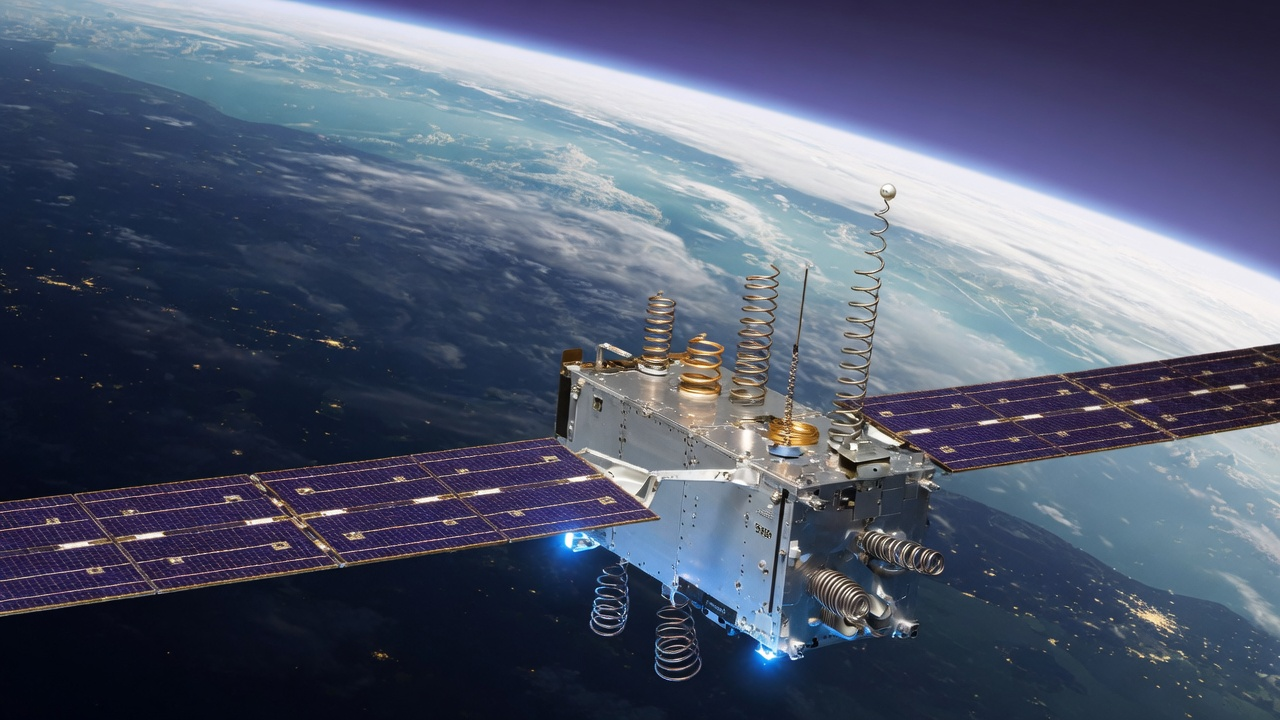
Quantum Sources Arrive for Canada’s First Quantum Satellite
The Institute for Quantum Computing (IQC) at the University of Waterloo has handed over two quantum‑photonic sources to the Canadian Space Agency (CSA) for the QEYSSat mission, Canada’s inaugural quantum‑communication satellite. The delivery marks a concrete step toward demonstrating quantum key distribution (QKD) from space, a technology that promises provably secure communications.
Why QEYSSat Matters
QEYSSat is a technology‑demonstration platform designed to test the feasibility of establishing quantum links between ground stations and an orbiting satellite. By transmitting entangled photons—or other quantum states—through the atmosphere and space, the mission will evaluate how well QKD can operate under real‑world conditions such as atmospheric turbulence, background light, and the long distances involved.
The Delivered Quantum Sources
The two sources, built in IQC’s Quantum Photonics Lab, are engineered to generate and emit quantum states suitable for QKD protocols. While the brief does not detail specifications such as photon‑pair rates or wavelength, the hardware is intended to integrate with the satellite’s optical payload and ground‑station receivers. The effort involved contributions from a broad team of students, post‑doctoral fellows, and senior researchers, highlighting the collaborative nature of large‑scale quantum‑communication projects.
Next Steps for the Mission
With the hardware now in the hands of the CSA, the focus shifts to integration, testing, and eventual launch. Key milestones will include:
- Laboratory validation – confirming source performance under simulated space‑environment conditions.
- Payload integration – mounting the sources within the satellite’s optical bench and ensuring thermal and mechanical stability.
- Ground‑station coordination – aligning terrestrial receivers to the satellite’s orbit for secure key exchange trials.
- In‑orbit demonstration – executing QKD sessions and measuring key rates, error rates, and overall link reliability.
Successful in‑orbit QKD would demonstrate that quantum‑secure communication can be extended globally, paving the way for a quantum‑encrypted network of satellites.
Broader Implications
Beyond the immediate mission, the delivery showcases Canada’s growing capability in quantum photonics and space‑qualified hardware. It also provides a tangible example of how academic labs can partner with national agencies to transition quantum research into operational technology.
---
The information above is drawn from the Institute for Quantum Computing’s news release dated 27 November 2026.
Hype check
Not a research claimThe story reports a hardware delivery for a satellite mission, which is a concrete development but provides no performance data to assess; the claim is limited to a delivery announcement.
We rate research and technical results only. How we rate hype →
Source
Read original sourceWhy we picked this
Accepted from curated QuantumUnzipped source (relevance scoring disabled).