IQM and Telefónica Plan Quantum Computer for Madrid University
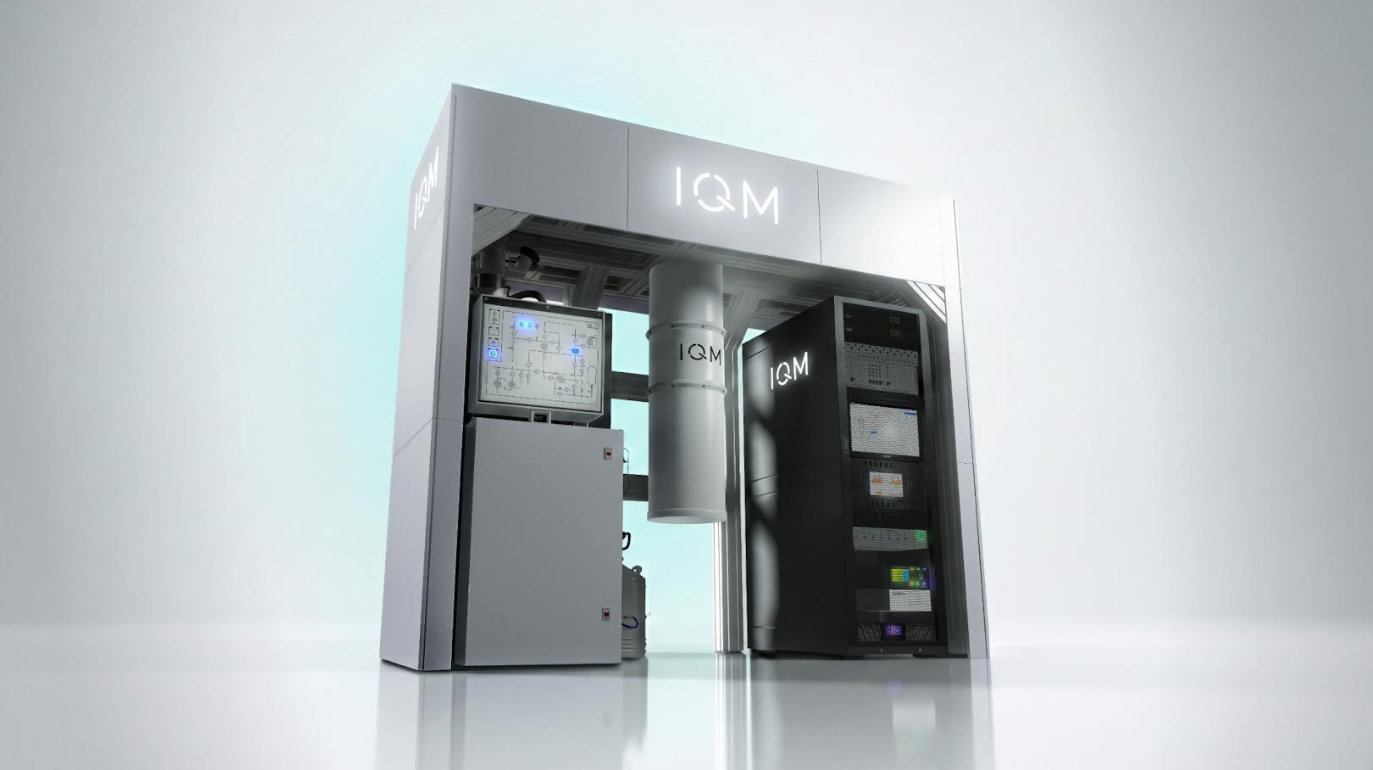
Telefónica and IQM will install the IQM Spark quantum computer at the Technical University of Madrid by the end of 2026, creating a regional hub for research, education, and early‑stage quantum development.
Introduction
Telefónica and IQM Quantum Computers have announced a joint venture to bring the first quantum computer to Spain’s Community of Madrid. The IQM Spark system will be installed at the Technical University of Madrid (UPM) before the close of 2026, providing universities, hospitals, research centres and start‑ups with direct access to superconducting quantum hardware. The project is positioned as a catalyst for regional expertise, industry use‑case development, and Madrid’s broader role in Europe’s emerging quantum ecosystem.
A purpose‑built quantum platform for education and research
The IQM Spark is marketed as an all‑in‑one solution tailored for research, education and early‑stage development. Unlike cloud‑based access models, the on‑site installation gives local users hands‑on experience with real quantum processors. This approach is intended to:
- Enable students and researchers to design, test and iterate quantum algorithms on actual hardware rather than simulators.
- Support interdisciplinary projects across fields such as materials science, finance, healthcare and logistics.
- Accelerate the translation of experimental results into prototype applications that address concrete challenges faced by Madrid‑based companies.
Building a regional quantum ecosystem
Beyond the hardware, the partnership aims to nurture a collaborative ecosystem that brings together academia, industry and public institutions. The presence of a dedicated quantum computer at UPM will:
- Attract talent – graduate students and post‑doctoral researchers seeking hands‑on quantum experience are likely to gravitate toward Madrid, strengthening the local talent pool.
- Foster industry partnerships – firms in the Community of Madrid can work directly with university labs to co‑develop use cases, from quantum‑safe encryption to optimisation problems.
- Create a knowledge hub – workshops, joint seminars and shared datasets will circulate among stakeholders, helping Madrid position itself as a European hub for advanced digital innovation and contributing to broader European technological sovereignty.
The initiative also complements two existing IQM‑Telefónica quantum computers located at the Galician Supercomputing Centre (CESGA), expanding Spain’s national quantum capacity.
Strategic implications for Telefónica and IQM
For Telefónica, the deployment aligns with its broader quantum strategy, which includes quantum‑resilient communications, post‑quantum cryptography and secure data‑center links. By embedding quantum hardware within a university setting, Telefónica can pilot real‑world security solutions and showcase the practical benefits of quantum‑ready infrastructure to its enterprise customers.
IQM, meanwhile, continues to extend its international footprint. The Madrid installation adds to a growing portfolio of full‑stack quantum computers deployed across Europe, Asia and North America. By placing hardware directly in the hands of end users, IQM seeks to accelerate adoption in sectors ranging from research to high‑impact commercial applications.
Looking ahead
The project is slated for completion by the end of 2026, after which the Community of Madrid will have a fully operational quantum computing resource. Success will be measured by the number of academic publications, industry pilots, and trained personnel emerging from the UPM facility. If the ecosystem gains traction, Madrid could become a model for other regions seeking to integrate quantum hardware into local innovation pipelines.
--- This article synthesises information from the announced partnership between Telefónica and IQM, focusing on the planned installation of the IQM Spark system at the Technical University of Madrid and its anticipated impact on the regional quantum landscape.
Source
Read original sourceWhy we picked this
Accepted from curated QuantumUnzipped source (relevance scoring disabled).