IQM Announces Zero-Downtime Upgrade Program for Halocene Product Line Scaling Past 1,000 Qubits
IQM unveiled a zero‑downtime upgrade path for its Halocene line, promising future systems that could exceed 1,000 physical qubits.
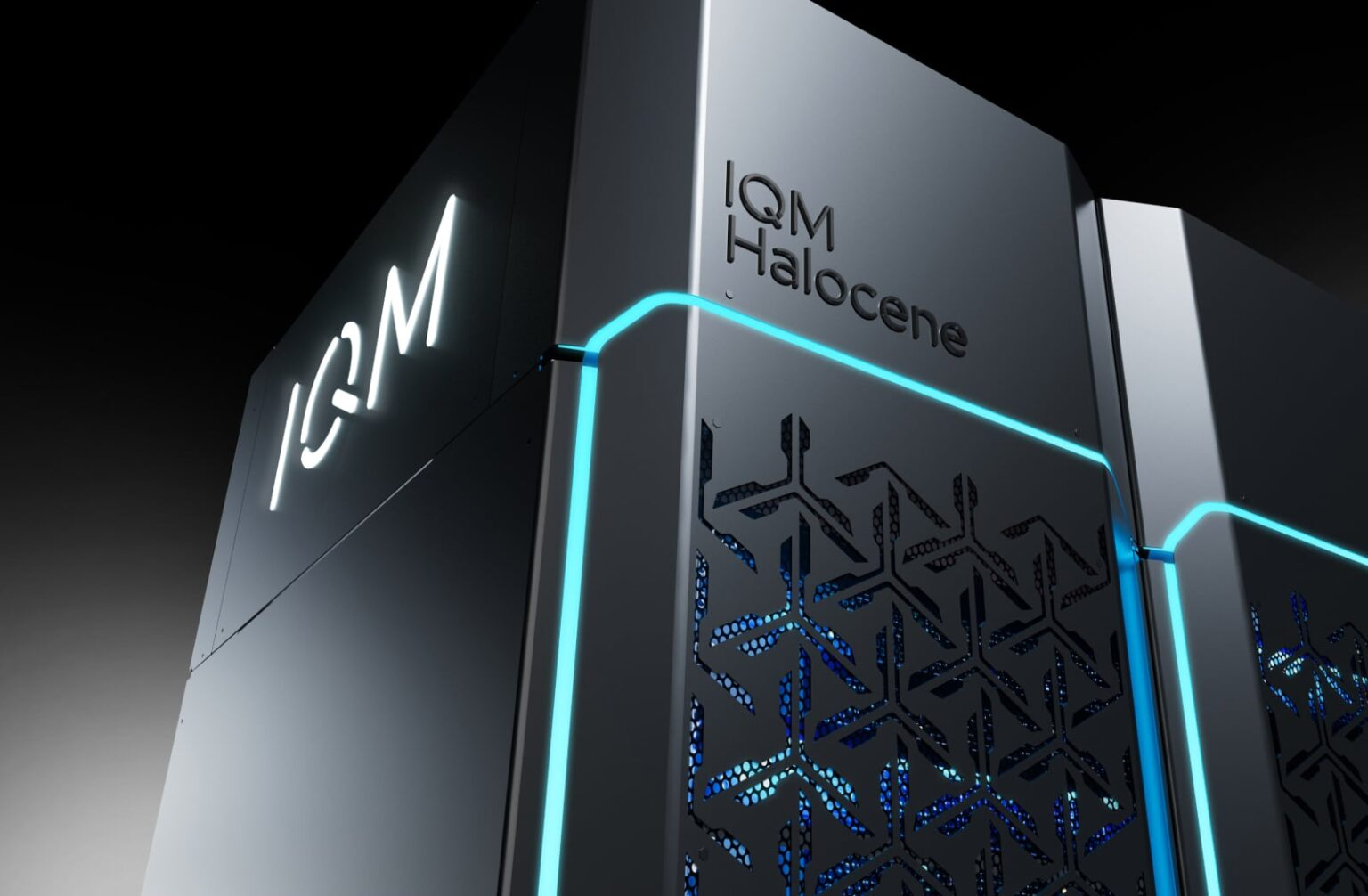
IQM’s Zero‑Downtime Upgrade Path for Halocene
IQM Quantum Computers announced a new on‑premises upgrade program for its Halocene quantum‑error‑correction product line at the SC26 supercomputing conference. The offering is aimed at high‑performance computing (HPC) centers and enterprise data centers that want to grow their quantum capacity without halting existing workloads.
Continuous Scaling Without Interruptions
The program bundles IQM’s HPC integration service with each hardware transition. When a customer orders a next‑generation Halocene system, IQM will install and commission the new unit alongside the existing processor. Only after the new hardware is fully operational will the older system be decommissioned. This “install‑first, retire‑later” model preserves continuity across software toolchains, Slurm‑based job schedulers, and GPU interconnects, allowing users to keep running quantum‑accelerated jobs while the physical qubit count is expanded.
Technical Foundations
Halocene’s stack is built on an open, modular error‑correction architecture that integrates with NVIDIA’s CUDA‑Q and NVQLink technologies. Real‑time quantum error‑correction (QEC) decoding runs on NVIDIA GPUs, enabling hybrid AI and simulation workflows that combine local quantum processors with existing CPU/GPU clusters. The approach is described as a “logical‑qubit roadmap,” but the announcement does not provide concrete logical‑qubit numbers for the planned 1,000‑qubit milestone.
Track Record and Deployment History
IQM points to a history of supercomputing integrations since 2021, including:
- Multi‑generation upgrades at Finland’s VTT (from 5 to 53 qubits)
- Four systems deployed at Germany’s Leibniz Supercomputing Centre, part of the Euro‑Q‑Exa effort
- Selection of the Halocene roadmap by the LUMI AI Factory for the upcoming LUMI‑IQ superconducting system
These deployments illustrate that IQM has experience delivering on‑premises quantum hardware alongside traditional HPC infrastructure.
What Remains Unclear
While the upgrade program promises a path to systems with more than 1,000 physical qubits, IQM has not disclosed:
- Target delivery dates for the 1,000‑qubit hardware
- Logical‑qubit specifications or error‑rate targets for that scale
- Independent verification of the claimed upgrade methodology
Potential customers will need to evaluate the economic and technical implications of scaling to such large physical qubit counts, especially given the lack of publicly available performance data.
Practical Takeaway
IQM’s zero‑downtime upgrade program could simplify the adoption curve for organizations that already host quantum hardware. By allowing seamless transitions between generations, the offering reduces the risk of downtime and protects existing software investments. However, until concrete specifications, timelines, and independent benchmarks are released, the program remains a strategic roadmap rather than a proven capability.
--- For more details, see IQM’s press release linked in the original report.
Hype check
Not a research claimThe article announces an upgrade program, not a concrete technical result; there is no performance data to assess.
We rate research and technical results only. How we rate hype →
Source
Read original sourceWhy we picked this
Accepted from curated QuantumUnzipped source (relevance scoring disabled).