IQM Books €42.2 Million in Orders as Quarterly Revenue Rises 51% in Q3 2026
IQM Books €42.2 million in Q3 2026 orders, driving 51% revenue growth while its net loss widens due to a large listing expense.
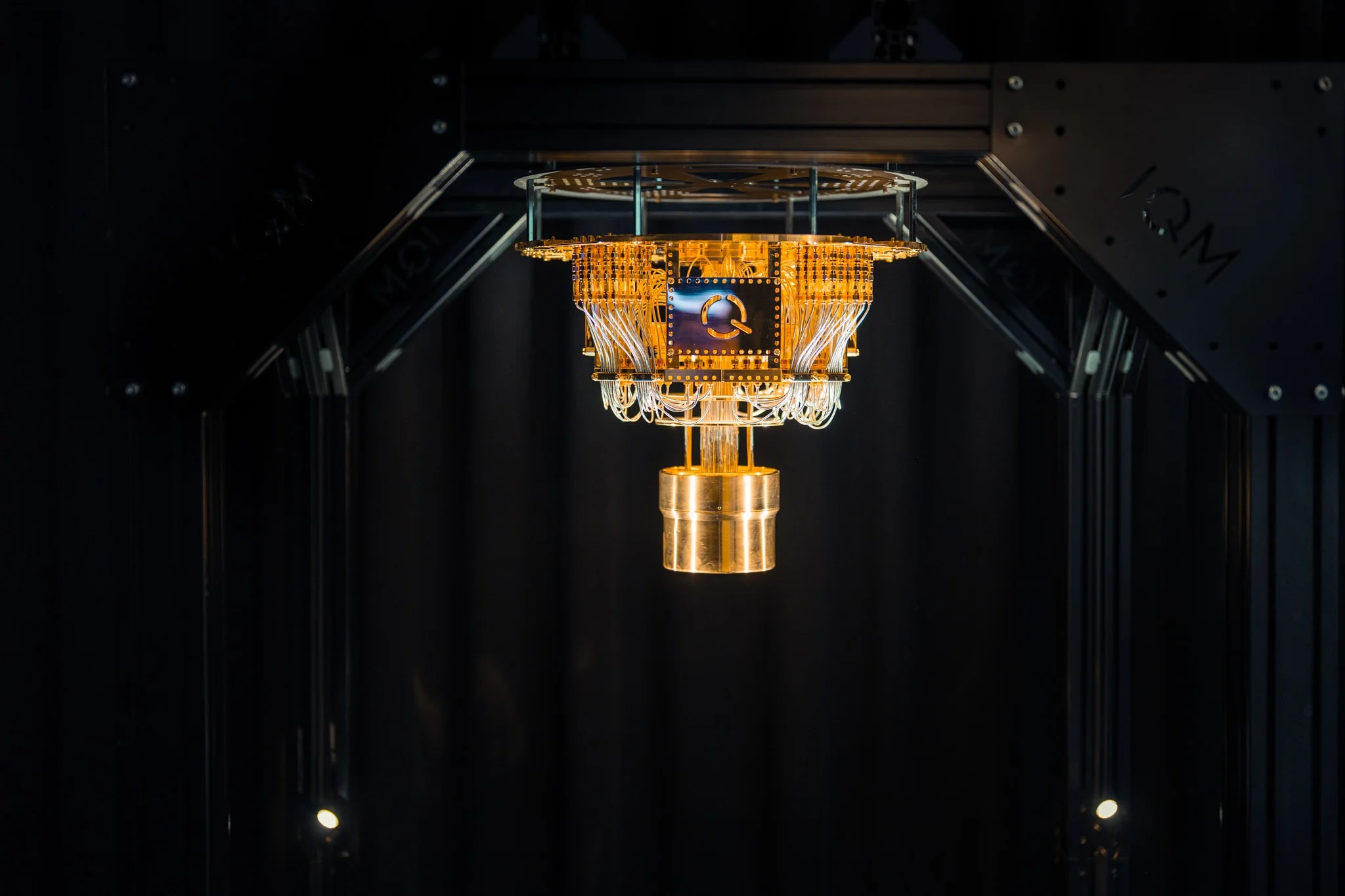
IQM’s Q3 2026 Surge: €42.2 Million in New Orders and 51% Revenue Growth
IQM Quantum Computers reported a strong third‑quarter performance, booking €42.2 million in new orders and raising quarterly revenue 51% year‑over‑year to €8.9 million. The surge was anchored by a €33 million contract for the Halocene platform, part of a broader expansion into South America and Japan. Despite the commercial momentum, the company’s net loss widened to €152.6 million, largely reflecting a €127.1 million share‑listing expense and higher R&D and administrative spend.
---
1. Order Book Expansion and Geographic Reach
- Backlog growth: The new bookings lifted IQM’s order backlog to €102.5 million as of 30 Sept 2026, a 52% increase from the start of the year.
- Key contracts: The flagship €33 million Halocene order from CSC’s LUMI AI Factory targets quantum error‑correction capabilities, positioning the system as Europe’s first superconducting quantum computer with logical qubits.
- New markets: IQM secured its first South American sale to Eldorado Research Institute (Brazil) and a second full‑stack Spark system for TOYO Corp. (Japan), extending its customer base to four continents.
- Future outlook: The company reaffirmed its full‑year order target of €65 million‑€75 million, indicating confidence that the pipeline will sustain growth beyond Q3.
---
2. Revenue and Profitability Dynamics
- Revenue rise: Q3 revenue of €8.9 million compared with €5.9 million a year earlier, driven entirely by commercial contracts—no public funding was included.
- Gross margin: Gross profit increased to €4.2 million, delivering a 47% gross margin, a modest improvement over the prior quarter.
- Cost pressures: R&D expenses rose to €20.4 million and G&A to €27 million, reflecting intensified development of hardware, error‑correction research, and the integration of Quantistry’s AI‑driven simulation platform.
- Net loss: The net loss expanded sharply due to the €127.1 million listing expense and higher operating costs, bringing the quarterly net loss to €152.6 million and a nine‑month cumulative loss of €227.5 million.
---
3. Cash Position and Funding Needs
- Liquidity: Cash and cash equivalents stood at €260.4 million at quarter‑end, down from €309.4 million after the July listing.
- Cash outflows: The decline reflects operating cash consumption, one‑time listing costs, and capital investment in chip fabrication and assembly capacity.
- Revenue timing: IQM records revenue upon customer acceptance rather than shipment, meaning acceptance delays can shift revenue between quarters without affecting cash flow or backlog.
---
4. Strategic Initiatives and Market Position
- Technology roadmap: IQM is advancing toward its first error‑correction demonstrators slated for 2027, leveraging the Halocene platform’s logical‑qubit focus.
- Software integration: The acquisition of Quantistry adds an AI‑powered chemistry and materials simulation layer, enabling non‑specialist users to run quantum‑enhanced applications.
- Collaborations: Participation in the EuroHPC Joint Undertaking’s Quantum Grand Challenge underscores IQM’s role in Europe’s high‑performance computing ecosystem.
- Delivery track record: To date, IQM has sold 31 quantum computers globally and delivered 17, employing superconducting circuits cooled to millikelvin temperatures.
---
Closing Perspective
IQM’s Q3 2026 results illustrate a classic growth‑stage trade‑off: robust order intake and expanding market presence are offset by substantial cash burn and a widening net loss. The company’s ability to convert its growing backlog into recognized revenue will hinge on customer‑site readiness and the timing of acceptance milestones. If IQM can sustain its order flow while managing expenses, the €42 million‑€47 million full‑year revenue target appears attainable, setting the stage for a pivotal 2027 when error‑correction prototypes are expected to demonstrate the practical advantage of quantum computing.
Source
Read original sourceWhy we picked this
Accepted from curated QuantumUnzipped source (relevance scoring disabled).