IQM Introduces Upgrade Programme for Halocene Quantum Systems
IQM announced an upgrade programme that lets customers expand their Halocene quantum systems from 150 to over 1,000 qubits without downtime.
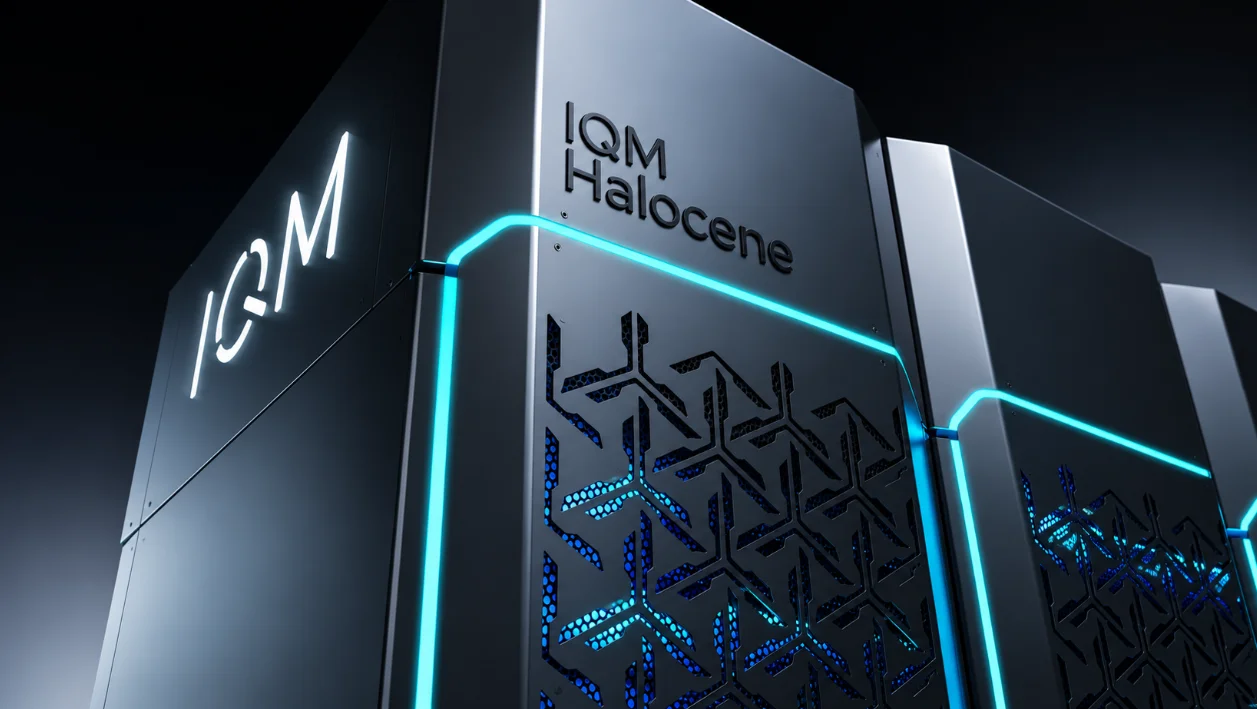
IQM’s Halocene Upgrade Programme: A Roadmap to Larger Quantum Systems
IQM Quantum Computers has rolled out an upgrade pathway for its Halocene error‑correction platform, promising customers a seamless transition from today’s 150‑qubit machines to future systems exceeding 1,000 qubits. The programme is positioned as a way to keep quantum hardware aligned with evolving research needs while preserving existing investments in software, workflows, and staff expertise.
A Continuity‑Focused Upgrade Model
The core promise of the Halocene upgrade programme is continuity. When a centre opts for a larger system, IQM will install the new hardware while the current machine remains operational, then retire the older unit once the upgrade is live. This “no‑downtime” approach is intended to mirror the upgrade cycles familiar to HPC and AI users, where new compute nodes are added without interrupting ongoing workloads.
Hybrid Quantum‑Classical Workloads
IQM emphasizes that Halocene systems are designed to sit alongside existing AI and HPC infrastructure. By exposing the same scheduling interfaces and GPU‑compatible APIs used by classical workloads, researchers can begin running hybrid quantum‑classical jobs today, even as they plan for larger, fault‑tolerant machines down the line. The programme also bundles an HPC integration service, ensuring that each new Halocene system is wired into the centre’s job‑submission and resource‑management stack.
Proven Deployment Track Record
IQM points to several on‑premises installations as evidence of its integration expertise. Notable sites include:
- VTT – progressed from a 5‑qubit prototype to a 53‑qubit system linked with the LUMI supercomputer.
- Leibniz Supercomputing Centre (LRZ) – has integrated four successive IQM systems into its supercomputing environment.
- LUMI AI Factory – selected Halocene for the LUMI‑IQ project, which will connect to the upcoming LUMI‑AI supercomputer.
These examples illustrate a pattern of incremental upgrades, where software, workflows, and staff knowledge are carried forward from one generation to the next.
What the Upgrade Path Means for Users
For organisations contemplating a quantum computing strategy, the programme offers three practical benefits:
- Risk Mitigation – Customers can start with a modest 150‑qubit system, gaining experience and building intellectual property before committing to larger, more expensive hardware.
- Cost Efficiency – Shared infrastructure and a common error‑correction stack reduce the need for wholesale replacements of ancillary systems.
- Future‑Proofing – By promising a clear route to >1,000‑qubit machines, IQM aims to alleviate concerns that today’s purchase will become obsolete within a few years.
Looking Ahead
IQM will showcase the Halocene upgrade programme at the SC26 conference in Chicago (Nov 15‑20). While the roadmap is ambitious, the announcement remains a strategic product offering rather than a technical breakthrough. Prospective customers will need to watch for concrete performance data and independent validation as the larger‑scale systems are delivered.
In short, IQM’s upgrade programme is a service‑oriented promise to grow quantum capacity while preserving existing investments, targeting organisations that value continuity alongside the pursuit of fault‑tolerant quantum computing.
Hype check
Not a research claimUpgrade programme announcement; no concrete hardware result, just a roadmap offering.
We rate research and technical results only. How we rate hype →
Source
Read original sourceWhy we picked this
Accepted from curated QuantumUnzipped source (relevance scoring disabled).