IQM Quantum Computers Sells 54-Qubit Radiance R3 System to South Korean Quantum-AI Infrastructure Firm QAI
IQM is delivering a 54‑qubit Radiance R3 superconducting quantum computer to South Korean QAI for on‑premises AI‑focused quantum services.
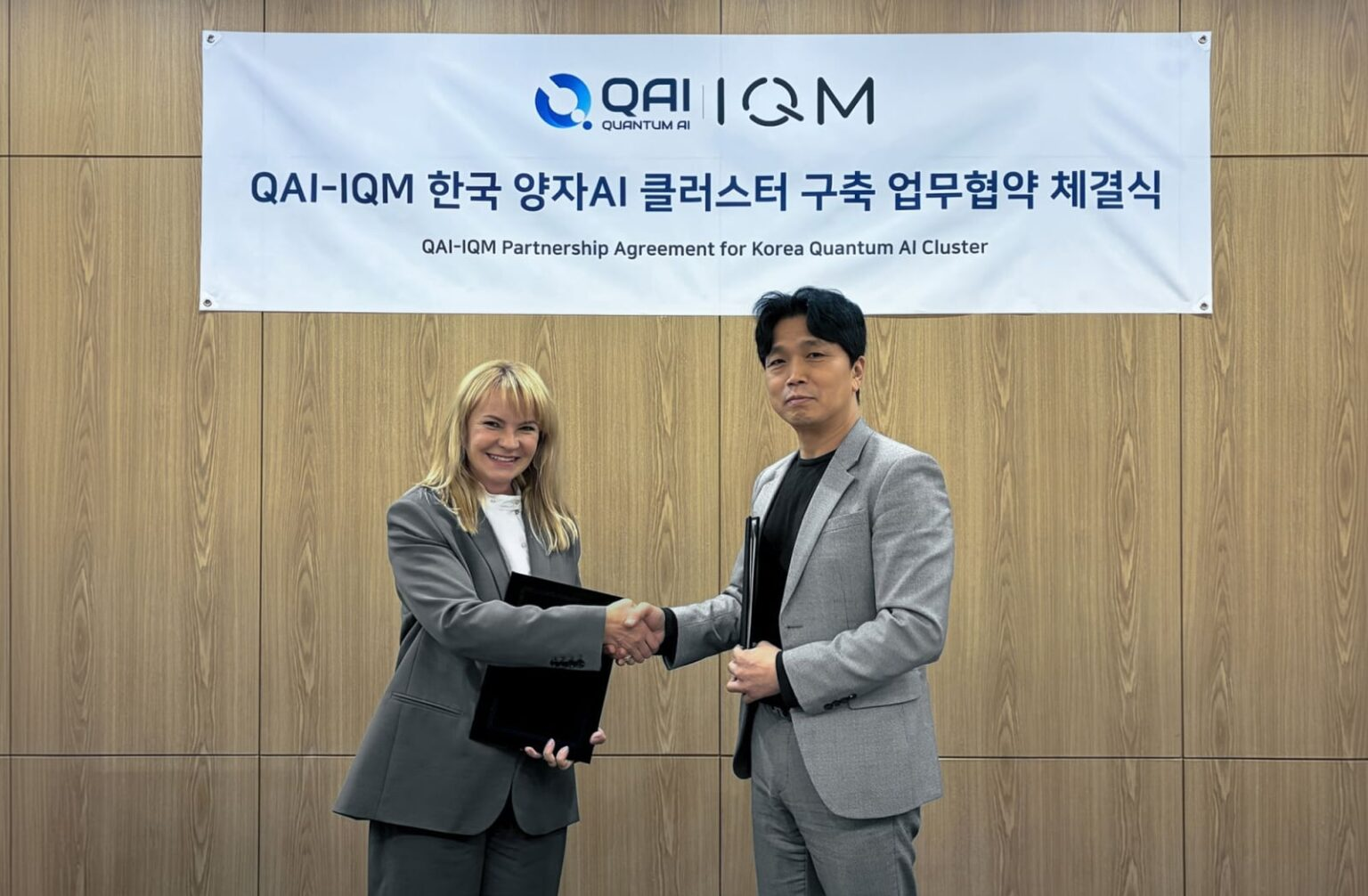
IQM’s 54‑Qubit Radiance R3 Finds a Home in South Korea
IQM Quantum Computers announced that it has secured an order worth €8‑10 million from QAI Co., Ltd., a South Korean data‑center and cloud‑infrastructure firm. The deal calls for the delivery and installation of a 54‑qubit Radiance R3 superconducting quantum processor at QAI’s private AI data centre in Seoul, with a target completion date of late 2027.
A First for IQM in Asian Private Data Centres
This contract marks IQM’s inaugural deployment of its hardware inside a private commercial data centre in Asia. It follows a previous IQM Spark system installed at Chungbuk National University, demonstrating the company’s growing footprint in the Korean market. The Radiance R3 is positioned as a low‑latency complement to classical high‑performance computing clusters, enabling tight integration with QAI’s GPU‑based AI infrastructure.
Technical Highlights of the Radiance R3
The 54‑qubit processor uses tunable couplers arranged in a square‑lattice topology. This architecture is designed to support surface‑code error correction natively, while also offering pulse‑level access for algorithm developers who need fine‑grained control. IQM emphasizes the system’s modularity, allowing future upgrades of components such as cryogenic hardware, control electronics, and qubit modules without a full system replacement.
Quantum‑as‑a‑Service (QaaS) Vision
QAI plans to expose the Radiance R3 through a Quantum‑as‑a‑Service offering, targeting domestic enterprises, universities, and public organisations. The announced use‑cases span drug‑discovery simulations, battery‑material optimisation, financial modelling, and logistics scheduling. By coupling the quantum processor with its existing AI stack, QAI aims to provide hybrid quantum‑classical workloads that can accelerate problem‑specific computations.
Alignment with South Korea’s National Quantum Strategy
South Korea’s Ministry of Science and ICT has outlined a national quantum strategy that seeks broad domestic utilisation of quantum computing by 2035. The IQM‑QAI deployment dovetails with this roadmap, contributing to the country’s ambition to build a robust quantum ecosystem that includes hardware, software, talent development, and industry adoption.
What to Watch Next
- Installation Timeline: The system is slated for delivery by the end of 2027; progress updates will reveal how quickly QAI can integrate the hardware into its AI data‑centre.
- Performance Benchmarks: While the announcement details architectural features, concrete performance metrics (e.g., error rates, logical‑qubit capabilities) remain to be published.
- Service Roll‑out: The success of QAI’s QaaS platform will depend on the ease of access for external users and the development of quantum‑ready applications.
Overall, the deal underscores the growing commercial appetite for superconducting quantum hardware in Asia and highlights IQM’s strategy of pairing its processors with cloud‑native, AI‑focused service models.
--- This article is based on the IQM press release and related filings referenced in the source briefing.
Hype check
Not a research claimThe headline claims delivery of a 54‑qubit system, but provides no performance data or independent verification; the claim is partly supported by the sales announcement.
We rate research and technical results only. How we rate hype →
Source
Read original sourceWhy we picked this
Accepted from curated QuantumUnzipped source (relevance scoring disabled).