ITIC’s Karen Yu Builds Taiwan-UK Deep Tech Corridor
Karen Yu of ITIC is forging a Taiwan‑UK deep‑tech corridor that links Taiwanese manufacturing strength with UK quantum and photonic research to accelerate commercialisation.
Introduction
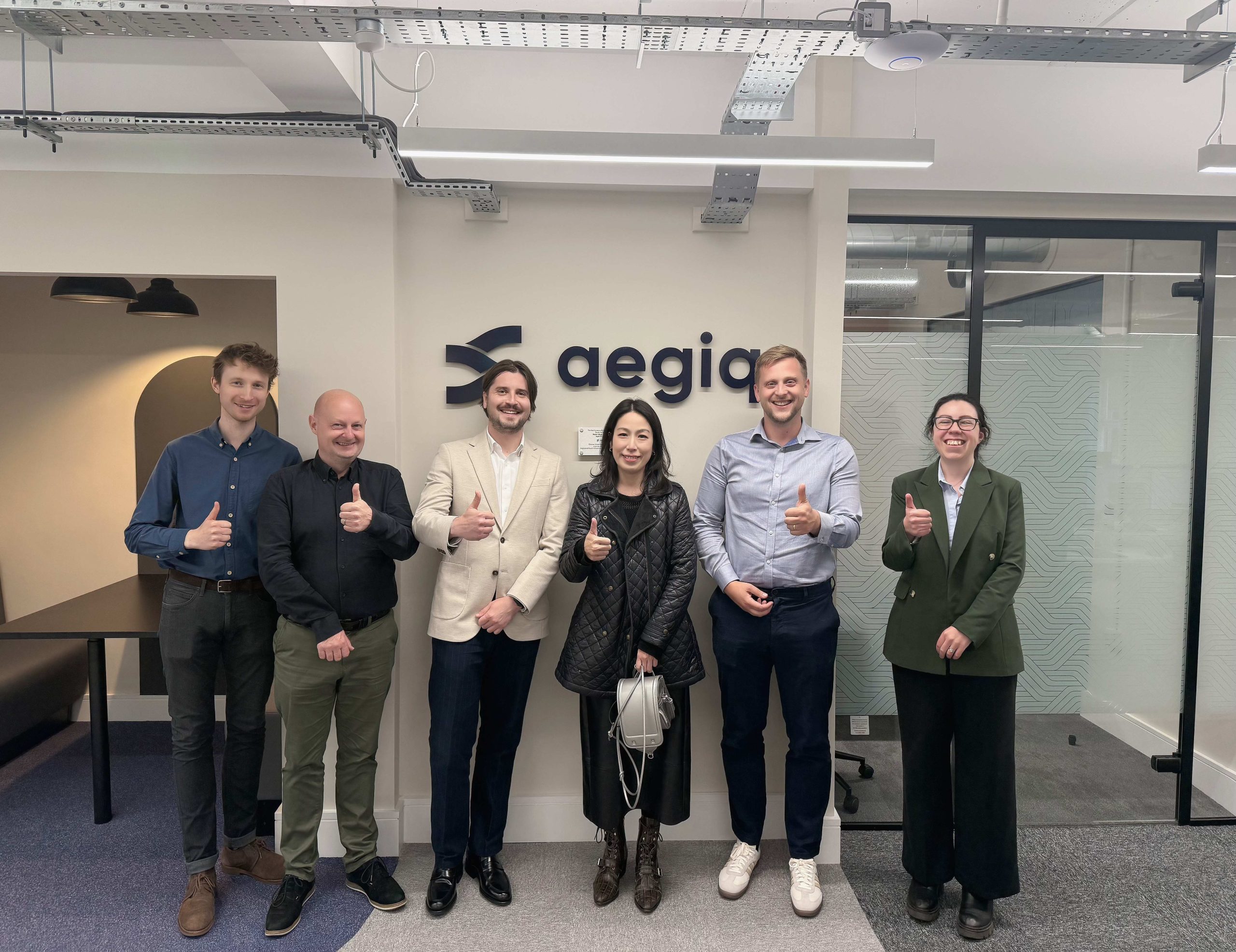
Industrial Technology Investment Corporation (ITIC) president Karen Yu is turning talk into action by building a Taiwan‑UK deep‑tech corridor. Through a series of high‑visibility events—from Tech Day in Taipei to Cambridge Tech Week—and targeted visits to specialist labs such as Aegiq in Sheffield, Yu is weaving Taiwan’s manufacturing expertise into the early stages of UK quantum, photonic and "physical AI" research. The goal is a reciprocal ecosystem where Taiwanese production capacity accelerates British startups, and British breakthroughs create demand for Taiwan’s advanced supply chains.
Connecting Research to Manufacturing
Yu’s strategy goes beyond the usual research‑to‑market pipeline. By attending Tech Week in Cambridge and then touring a photonic‑quantum team in Sheffield, she demonstrates a willingness to engage with niche groups outside the traditional Cambridge hub. This hands‑on approach helps ITIC identify concrete technical challenges—such as scaling photonic chips from lab demos to reliable fab processes—and offers Taiwanese engineers a front‑row seat to those hurdles. The result is a clearer risk profile for investors and a faster path from prototype to pilot production.
Early‑Stage Investment and Trust‑Building
ITIC is already placing capital into promising British deep‑tech startups, signalling that the corridor is more than a networking exercise. Yu stresses the importance of "early participation" so that Taiwanese supply chains are embedded from the outset rather than being added later as a cost‑saving afterthought. Memoranda of understanding with institutions like St John’s Innovation Centre formalise this collaboration, creating a framework for joint prototyping, talent exchange, and shared IP development. Consistent follow‑up visits reinforce trust, turning one‑off conversations into lasting partnerships.
Showcasing Taiwan’s Broader Capabilities
A recurring theme in Yu’s messaging is the need to move past the global perception of Taiwan as solely a semiconductor foundry (TSMC). She highlights the island’s strengths in materials science, precision engineering, and now "physical AI"—the integration of AI algorithms with tangible hardware at scale. By positioning Taiwan as an "indispensable" partner for scaling next‑generation AI and quantum devices, Yu aims to attract more UK innovators who see value in co‑developing products that can be manufactured at volume without sacrificing performance.
Practical Takeaways
- Targeted Engagement: Visiting specific research groups (e.g., Sheffield’s photonic quantum team) yields actionable insights and demonstrates genuine interest.
- Early Capital Commitment: Investing in startups before they hit the market secures a foothold for Taiwanese manufacturers in the supply chain.
- Formal Collaboration Structures: MOUs with innovation centres provide a repeatable model for joint development and risk mitigation.
- Narrative Expansion: Actively promoting Taiwan’s broader industrial capabilities helps reshape international perception and opens new partnership avenues.
Conclusion
Karen Yu’s multi‑pronged effort illustrates how a deep‑tech corridor can thrive when it aligns research excellence with manufacturing know‑how, invests early, and cultivates sustained dialogue. If the corridor continues to embed Taiwanese expertise at the inception of UK breakthroughs, both ecosystems stand to benefit: British innovators gain a reliable path to scale, while Taiwan secures a strategic role in the next wave of quantum, photonic and AI‑driven technologies.
Source
Read original sourceWhy we picked this
Accepted from curated QuantumUnzipped source (relevance scoring disabled).