Qatar and France Sign Bilateral Letter of Intent on Digital Cooperation Highlighting Shared Quantum Ambitions
Qatar and France have signed a bilateral Letter of Intent to cooperate on AI, digital transformation, and quantum technologies.
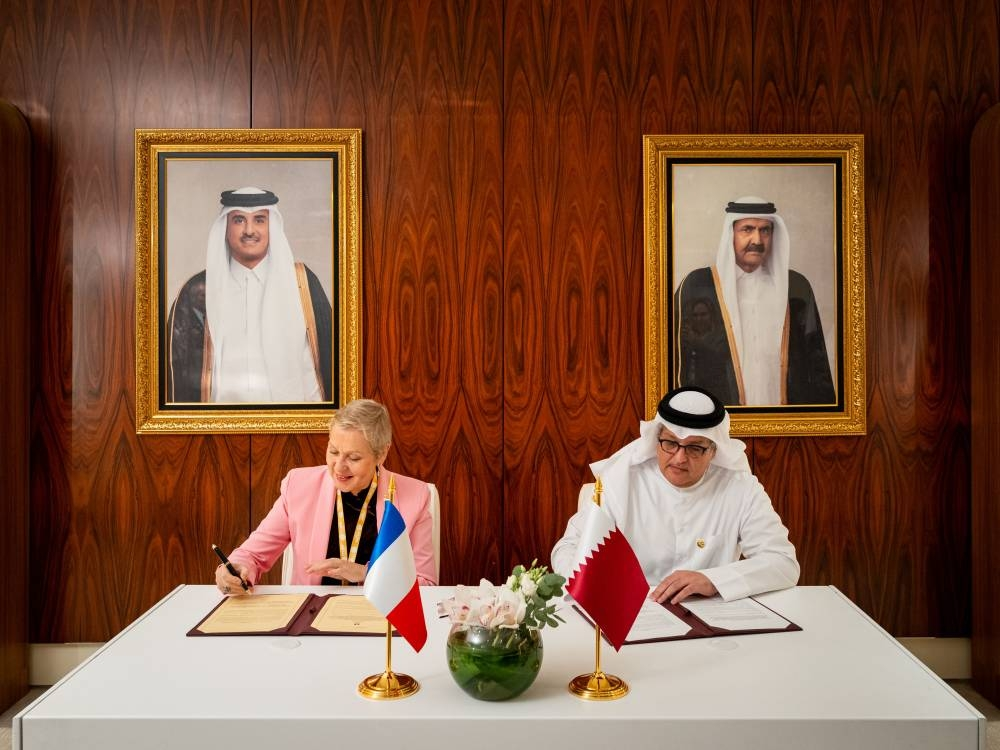
Qatar‑France Digital Cooperation: A New Quantum Chapter
On 18 November 2026, Qatar and the French Republic formalised a bilateral Letter of Intent (LoI) aimed at deepening collaboration across artificial intelligence, digital transformation, and emerging technologies. The agreement, signed in Doha during the ITU Plenipotentiary Conference, explicitly names quantum technologies as a shared strategic priority, signalling a growing diplomatic focus on the quantum frontier.
A Framework for Technical Exchange
The LoI establishes mechanisms for the two governments to exchange technical expertise and develop digital applications in key economic sectors such as finance, healthcare, and energy. Qatar’s Minister of Communications and Information Technology, H.E. Mohammed bin Ali Al Mannai, and France’s Minister Delegate for Artificial Intelligence and Digital Affairs, H.E. Anne Le Hénanff, highlighted a mutual vision of “strategic autonomy” in the digital domain. While the document does not disclose specific funding amounts or binding procurement targets, it creates a formal channel for joint research projects, talent development programmes, and the sharing of best practices.
Quantum Ambitions Take Center Stage
Quantum technologies are singled out as a “shared strategic priority.” This reflects France’s ambition to expand its quantum ecosystem—home to photonic‑based firms like Quandela—and Qatar’s desire to position itself as a regional hub for high‑tech innovation. The timing is notable: just two days before the LoI signing, Quandela announced a tripartite deployment alliance in Doha with Qatari technology group Mekdam Holding and sovereign data‑center operator MEEZA. The partnership aims to deliver both cloud‑based and on‑premises photonic quantum computing services to the Gulf, underscoring the practical steps that may follow the diplomatic agreement.
What the LoI Does Not Cover
The LoI is deliberately broad. It does not set concrete milestones, budget allocations, or procurement commitments for quantum hardware or software. Consequently, the agreement should be viewed as a diplomatic catalyst rather than a guarantee of immediate quantum‑computing deployments. Stakeholders will need to watch for subsequent memoranda of understanding, joint research grants, or pilot projects that translate the high‑level intent into measurable outcomes.
Looking Ahead: Opportunities and Challenges
For Qatar, the LoI offers a pathway to acquire expertise from a mature European quantum ecosystem, potentially accelerating local talent development and attracting foreign investment. For France, the partnership opens access to a fast‑growing market in the Middle East, where demand for secure communications and advanced analytics is rising. Both nations will need to navigate challenges such as talent mobility, intellectual‑property frameworks, and the alignment of regulatory standards.
The agreement marks a diplomatic milestone that could shape the regional quantum landscape over the next decade. As the partnership matures, the quantum community will be watching for concrete projects that move beyond the letter of intent toward demonstrable quantum‑enabled applications.
--- This article is based on the official announcement from Qatar’s Ministry of Communications and Information Technology and coverage from the Qatar News Agency.
Hype check
Not a research claimThe story reports a diplomatic agreement without a concrete technical result, so there is no claim to evaluate for hype.
We rate research and technical results only. How we rate hype →
Source
Read original sourceWhy we picked this
Accepted from curated QuantumUnzipped source (relevance scoring disabled).