Quantum Design gives UCLA lab access to a ProteoxS fridge
Quantum Design is providing UCLA’s Wong lab with access to a ProteoxS dilution refrigerator to accelerate superconducting qubit research and workforce development in Southern California.
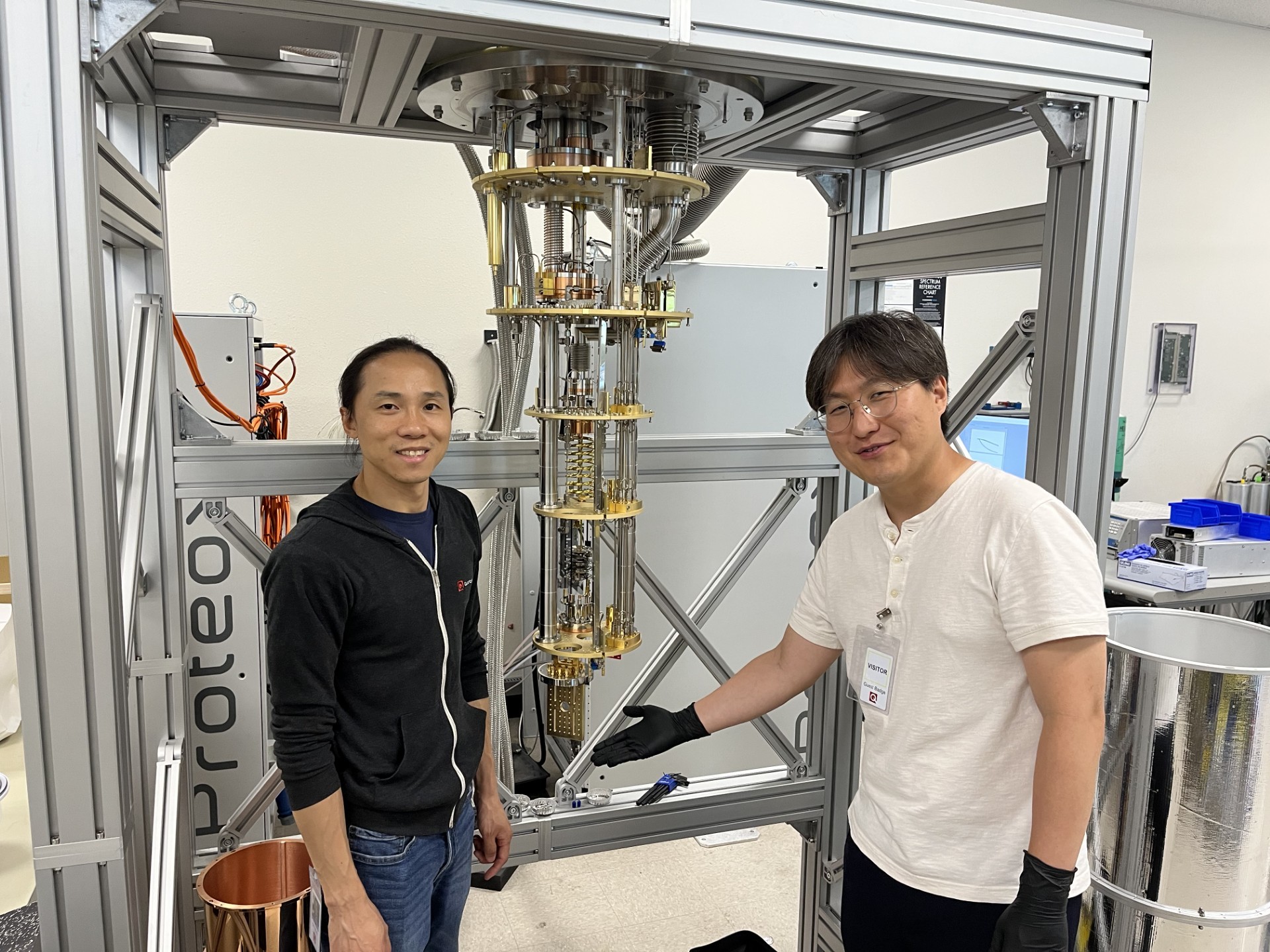
Quantum Design Partners with UCLA’s Wong Lab
Professor Chee Wei Wong’s group at the University of California, Los Angeles is gaining hands‑on access to Quantum Design’s ProteoxS dilution refrigerator. The arrangement supports the lab’s effort to build two superconducting‑qubit quantum processors—one on campus and a matched system at Quantum Design’s San Diego headquarters—while also fostering practical training for students in a commercial cryogenic environment.
A Dedicated Cryogenic Platform for High‑Fidelity Qubits
The ProteoxS refrigerator provides the sub‑10 mK temperatures required for superconducting qubits to operate with minimal thermal noise. By hosting their chips in this system, the Wong group can pursue its target of 99.9 % fidelity for two‑qubit gates, a benchmark that pushes the limits of current hardware. The refrigerator’s modular sample‑support architecture lets the team tailor wiring and shielding to their specific chip designs, streamlining the path from device fabrication to experimental validation.
Workforce Development and Industry‑Academic Synergy
Beyond the technical advantages, Professor Wong emphasizes the educational impact: “Physical access to the Quantum Design laboratory is key for my students to gain experience and knowledge of a production environment.” The collaboration embeds students in real‑world engineering workflows—cryogenic setup, thermal budgeting, and data acquisition—skills that are in high demand as California’s quantum ecosystem expands.
Dr. Stefano Spagna, Senior Vice President of Strategic Initiatives at Quantum Design, notes that the partnership aligns with the broader goals of the Southern California Quantum Alliance (SQA). By linking academic research with industrial best practices, the alliance hopes to accelerate scientific discovery, nurture a skilled workforce, and lay groundwork for future commercial quantum applications.
Implications for the Regional Quantum Landscape
Southern California is emerging as a hub for quantum hardware, with multiple universities, startups, and established firms clustering around Los Angeles and San Diego. The UCLA‑Quantum Design link adds a critical piece of infrastructure to this ecosystem, offering:
- Rapid prototyping: Researchers can iterate on qubit designs without waiting for external facility time slots.
- Cross‑institution collaboration: The matched system at Quantum Design enables side‑by‑side benchmarking between academic and industrial environments.
- Talent pipeline: Students trained on production‑grade equipment are better prepared for careers at companies ranging from cryogenic hardware vendors to quantum‑software providers.
Looking Ahead
While the immediate focus is on achieving ultra‑high‑fidelity two‑qubit operations, the partnership sets the stage for longer‑term goals such as scaling to larger qubit arrays, integrating quantum‑control electronics, and exploring error‑correction protocols. Success in these areas could position UCLA and Quantum Design as a model for university‑industry collaborations that accelerate both scientific breakthroughs and workforce readiness.
---
The collaboration illustrates how shared access to cutting‑edge cryogenic tools can bridge the gap between academic research and commercial quantum development, strengthening the Southern California quantum ecosystem for years to come.
Source
Read original sourceWhy we picked this
Accepted from curated QuantumUnzipped source (relevance scoring disabled).