Quokka launches new platform for hands-on quantum learning
Quokka’s new platform lets learners run real quantum programs on physical devices with AI‑assisted, multi‑workspace tools for education and development.
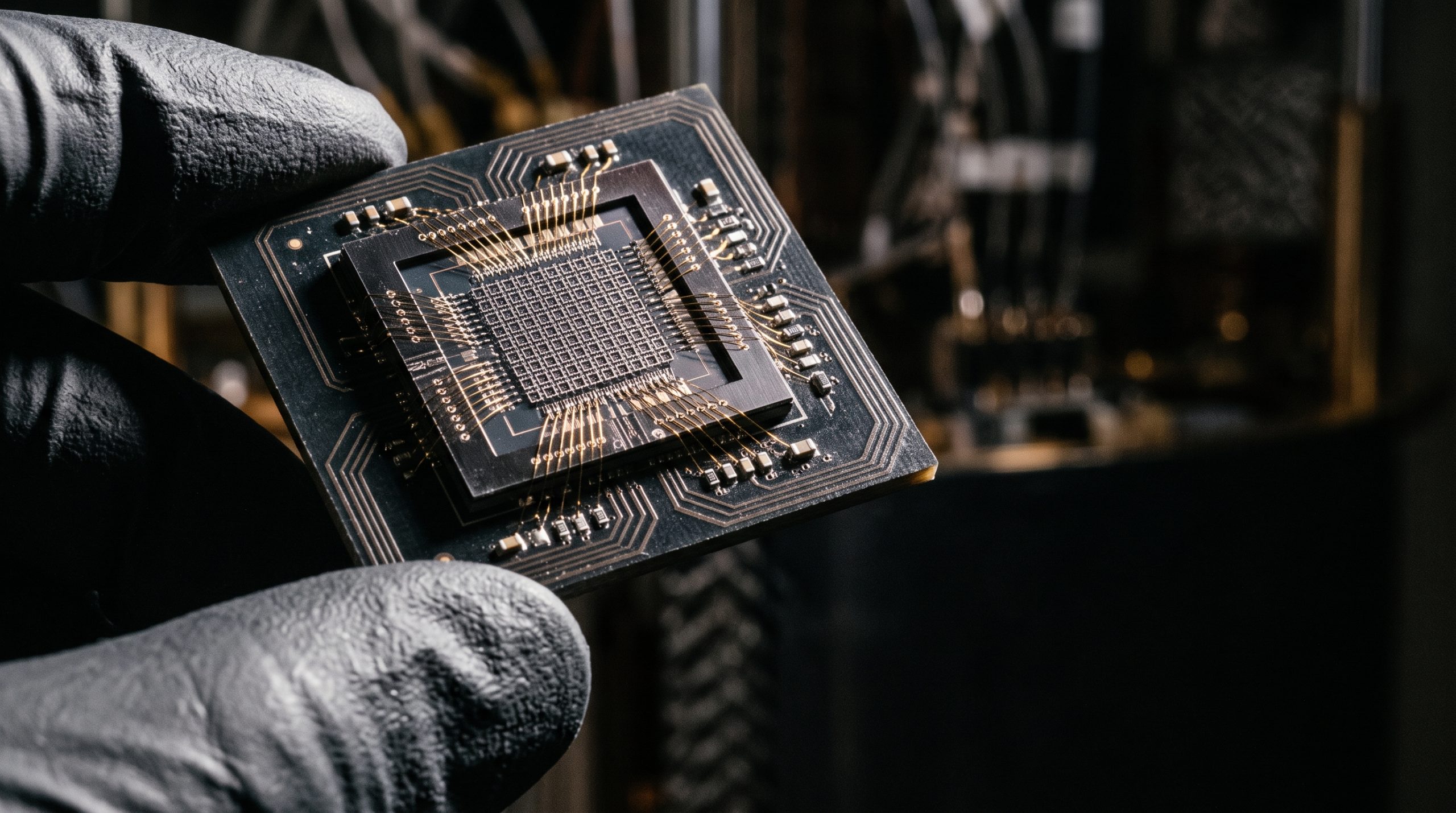
Quokka’s Hands‑On Quantum Learning Platform
Quokka has introduced a cloud‑based platform that moves quantum computing education from pure simulation to real‑world experimentation. By giving users direct access to a physical Quokka device, the service lets students, teachers, and developers write and execute circuits, see measured bits, and iterate instantly. The platform is built around three core ideas: hands‑on hardware access, AI‑driven assistance, and flexible workspaces that grow with the learner.
Multiple Workspaces for Every Skill Level
The platform offers several distinct workspaces:
- Block‑based visual editor – ideal for beginners, this drag‑and‑drop interface lets users assemble circuits without writing code. Quokka AI can generate a complete circuit from a natural‑language prompt and send it straight to the device.
- Python SDK – for developers comfortable with code, the SDK provides a clean, OpenQASM‑compatible API that talks directly to the hardware.
- Advanced text editor – seasoned researchers can write low‑level OpenQASM or custom pulse schedules.
Because the underlying execution engine is shared, users can switch between workspaces without rewriting programs. This continuity encourages a smooth learning curve: start with blocks, graduate to Python, and eventually fine‑tune at the assembly level.
Quokka AI: On‑Demand Learning Companion
Embedded throughout the platform is Quokka AI, an artificial‑intelligence assistant that answers questions about quantum concepts, platform navigation, and code debugging. It can:
- Explain fundamentals (e.g., “a qubit can be 0 and 1 simultaneously”).
- Generate example circuits for a given task.
- Diagnose why a program failed to compile or why measured results look noisy.
By providing instant, context‑aware help, the AI reduces the typical friction points that deter newcomers from deeper exploration.
Classroom Integration and Device Management
Educators can create a Classroom Session, assign a specific Quokka device, and publish a join code for students. Features include:
- Live device status – each of up to twenty personal Quokka devices linked to an account shows online/offline state with a one‑click refresh.
- Shared hardware – public Quokkas are available for immediate experimentation while personal devices are on the way.
- Session templates – pre‑built lesson plans and activities streamline curriculum design.
The system’s design ensures that every student in a class works on the same hardware instance, guaranteeing consistent results and simplifying grading.
Narrative Lessons and Guided Templates
Beyond raw execution, the platform bundles narrative lessons that frame quantum computing as an engineering challenge. Each lesson requires the learner to run code on a real device, observe the measured bits, and reflect on the outcome. This approach bridges the gap between abstract theory and tangible skill, reinforcing concepts through direct feedback.
Templates for common algorithms—such as the Deutsch‑Jozsa test, quantum teleportation, and variational quantum eigensolvers—provide starting points that users can modify, fostering experimentation while maintaining a safety net of proven code.
Getting Started
- Choose a workspace – select visual, Python, or text editor.
- Connect a Quokka – link a personal device or use a public one.
- Run your first program – execute a simple circuit and view the measured bits.
- Explore lessons – follow a guided tutorial and let Quokka AI assist as needed.
By combining real hardware, AI support, and adaptable learning paths, Quokka’s platform aims to accelerate the development of quantum‑literate talent and lower the barrier to practical quantum experimentation.
Source
Read original sourceWhy we picked this
Accepted from curated QuantumUnzipped source (relevance scoring disabled).