QUTAC and VDMA Release Practical Guide on Post-Quantum Cryptography for Industrial Systems
QUTAC and VDMA have published a 16‑page practical guide to help industrial firms adopt post‑quantum cryptography.
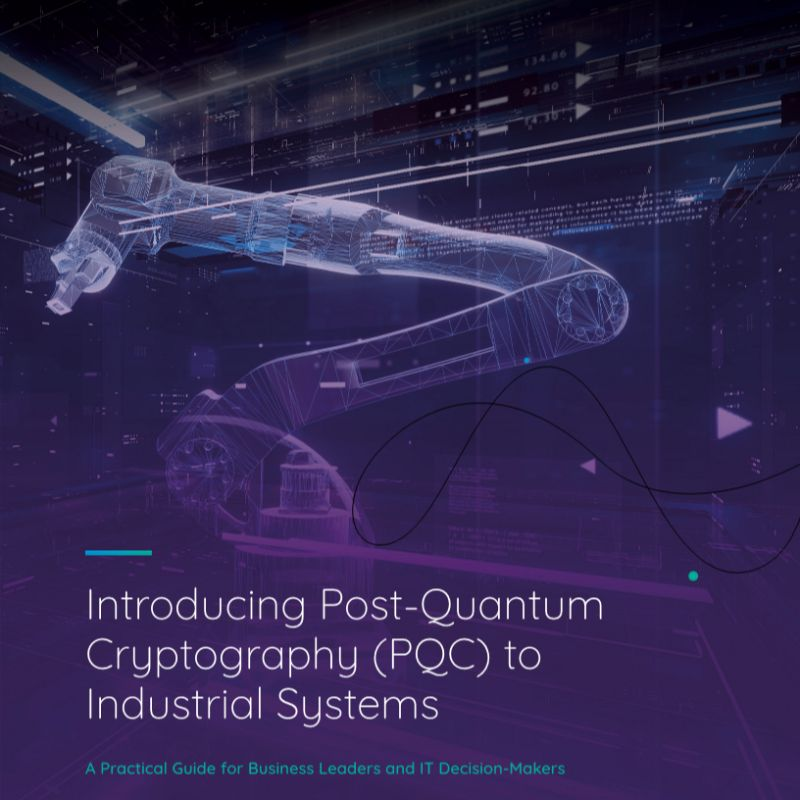
A Practical Roadmap for Post‑Quantum Security in Industry
The Quantum Technology and Application Consortium (QUTAC), together with the German mechanical‑engineering association VDMA, has released a concise 16‑page guide titled “Introducing Post‑Quantum Cryptography (PQC) to Industrial Systems.” Co‑authored by experts from TRUMPF, Lufthansa Industry Solutions, BMW Group, Volkswagen Group, Deutsche Telekom and VDMA, the document tackles the growing security gap between long‑lived operational technology (OT) and the imminent quantum threat.
Why Industrial Systems Need PQC Now
Industrial equipment often has service lives of 10‑30 years, far exceeding the typical refresh cycles of conventional IT. During that time, data such as CAD designs, firmware updates, and PKI trust chains can be harvested and later decrypted once a sufficiently powerful quantum computer becomes available. The guide highlights two regulatory drivers that push manufacturers toward migration:
- EU high‑risk PQC migration target – 2030
- Germany’s BSI transition deadline – 2031
Meeting these milestones is essential to protect intellectual property, ensure supply‑chain integrity, and avoid future compliance penalties.
The Five‑Step Adoption Framework
The guide proposes a pragmatic, cross‑functional approach that can be rolled out incrementally:
- Governance: Establish joint IT‑OT steering committees to align security policies, risk assessments and budget priorities.
- Cryptography Bill of Materials (CBOM): Compile a standardized inventory of all cryptographic primitives using open formats such as CycloneDX. This creates visibility into legacy algorithms that need replacement.
- Crypto‑Agility: Design product architectures that can swap cryptographic modules without hardware redesign, leveraging modular firmware and secure boot loaders.
- Hybrid Deployment: Deploy a combination of classical and post‑quantum schemes (e.g., RSA 4096 + Kyber) during a transition period to maintain compatibility while gaining quantum‑resistant protection.
- Continuous Tracking: Use automated compliance dashboards to monitor migration progress, flag overdue components, and generate audit trails for regulators.
Practical Tips for Engineers
- Embedded Controllers: Prioritize updating firmware signing keys to post‑quantum algorithms before the next hardware revision.
- Remote Maintenance Links: Replace TLS‑based channels with hybrid TLS‑PQC stacks to protect over‑the‑air updates.
- Connected Machinery Fleets: Leverage a centralized key‑management service that supports algorithm agility and can push updates across geographically dispersed assets.
Looking Ahead
While the guide does not prescribe a single vendor or technology stack, it emphasizes the importance of early testing, pilot deployments, and collaboration with standards bodies such as NIST and ISO/IEC. By following the outlined steps, manufacturers can mitigate the “harvest‑now‑decrypt‑later” risk and position themselves for a smooth transition well before the 2030‑2031 regulatory deadlines.
---
The guide and VDMA’s announcement can be accessed through the links provided in the original report.
Hype check
Not a research claimThe story reports a guide release, not a technical result, so there is no claim to evaluate for hype.
We rate research and technical results only. How we rate hype →
Source
Read original sourceWhy we picked this
Accepted from curated QuantumUnzipped source (relevance scoring disabled).