QuTech Coordinates €47.5 Million ($52 Million USD) European Quantum Internet Alliance Phase to Build Full-Stack Prototype
QuTech will lead a €47.5 million, 3.5‑year European Quantum Internet Alliance phase to build a full‑stack quantum‑network prototype.
Introduction
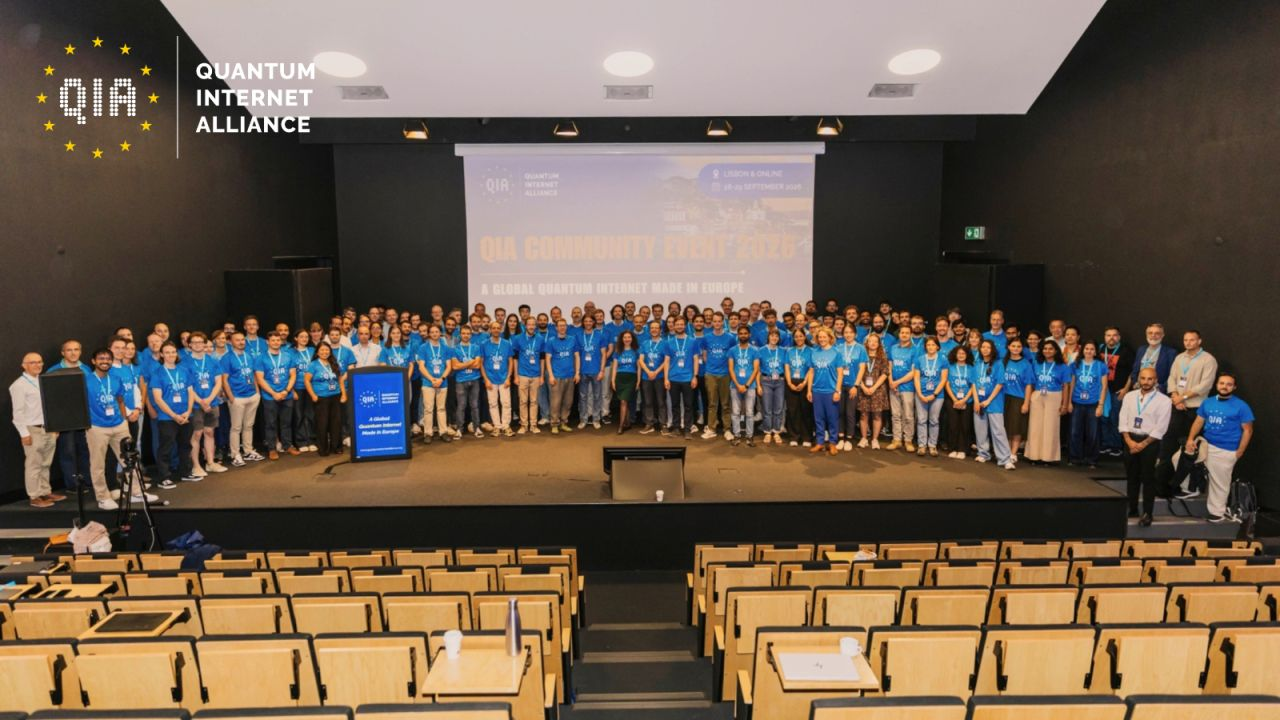
QuTech, the quantum‑technology hub at Delft University of Technology, has been appointed coordinator for the next phase of the European Quantum Internet Alliance (QIA). Backed by €47.5 million (≈ $52 million) from the European Commission, the 3.5‑year effort will move from component‑level research to a demonstrable, programmable quantum‑internet prototype.
From R&D to Integration
The first QIA phase (2022‑Mar 2026) focused on developing individual building blocks – quantum repeaters, integrated photonics, control electronics and network software. In the new phase, these pieces will be assembled into a cohesive stack. The goal is to interconnect two metropolitan‑scale quantum networks across a long‑distance optical‑fiber link, enabling distributed quantum applications and linking remote quantum processors.
Open‑Access Pilot Facilities and Ecosystem Partners
QuTech’s coordination will be supported by a network of Dutch and European partners. Open‑access pilot facilities will be established alongside ecosystem collaborators such as Delft Networks, Falqon Systems and Qblox. These sites will provide researchers and industry players with hands‑on access to the emerging quantum‑internet infrastructure, accelerating technology transfer and fostering a broader user community.
Strategic Impact for Europe
The QIA initiative aligns with the European Union’s ambition to secure a leading position in quantum communications. By delivering a full‑stack prototype, the consortium aims to demonstrate the feasibility of scalable quantum networking, paving the way for future commercial services such as ultra‑secure communications, distributed quantum sensing and cloud‑based quantum computing.
Outlook
Over the next three and a half years, the consortium will iterate on hardware and software designs, validate long‑distance entanglement distribution, and refine network control protocols. Successful completion will provide a concrete reference architecture for subsequent large‑scale quantum‑internet deployments across Europe and beyond.
--- This article synthesises the information provided in the original brief without adding external data or quotations.
Hype check
Not a research claimThe story reports a funding and coordination announcement; there is no technical claim to evaluate.
We rate research and technical results only. How we rate hype →
Source
Read original sourceWhy we picked this
Accepted from curated QuantumUnzipped source (relevance scoring disabled).