Telefónica and IQM to Deploy Community of Madrid’s First On-Premises Quantum Computer at Universidad Politécnica de Madrid
Telefónica and IQM are installing Spain’s first on‑premises quantum computer in the Community of Madrid at Universidad Politécnica de Madrid, creating a local hub for research, training, and post‑quantum security.
Introduction
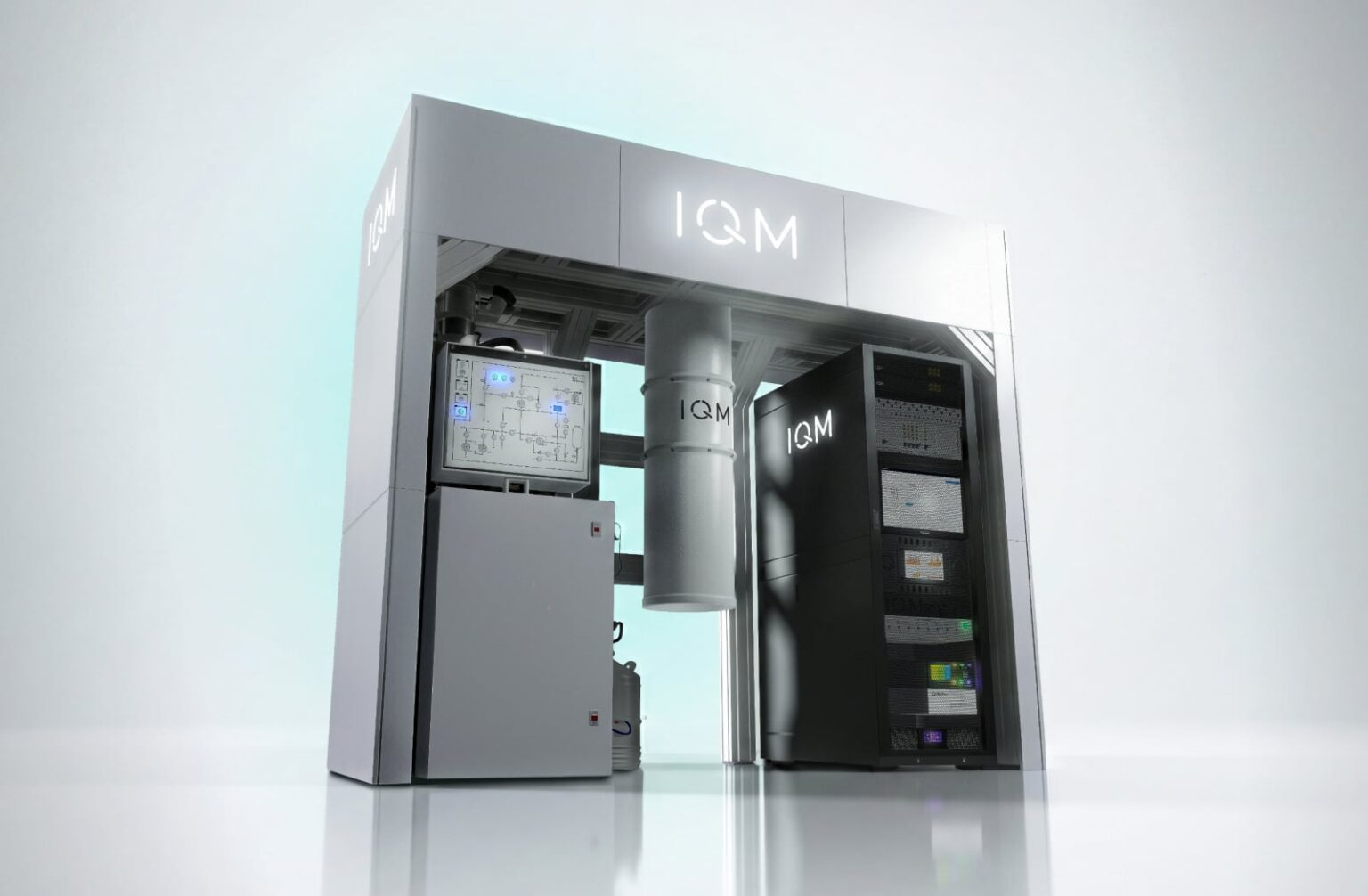
Telefónica, the European telecom giant, and IQM Quantum Computers, a leading superconducting‑qubit hardware provider, have joined forces to bring the first on‑premises quantum processor to the Community of Madrid. The system—an IQM Spark five‑qubit quantum processing unit (QPU)—will be installed at the Universidad Politécnica de Madrid (UPM) before the end of 2026, marking the third IQM QPU deployed in Spain and the first physically hosted within the region’s research ecosystem.
Why an On‑Premises QPU Matters
Local control and data sovereignty
Unlike cloud‑based quantum services, an on‑premises QPU gives researchers direct access to the hardware, eliminating network latency and addressing data‑privacy concerns that arise when sensitive scientific or medical data must travel off‑site. This model is especially valuable for institutions that handle regulated information, such as hospitals and public‑sector labs.
A catalyst for regional innovation
The Madrid deployment creates a shared resource for universities, hospitals, startups, and technology parks across the region. By centralising the hardware at UPM, the initiative lowers the barrier to entry for quantum‑algorithm experimentation in fields like material science, biomedical modelling, and logistics optimisation. It also supports workforce development, offering hands‑on training for students and professionals who will shape Spain’s emerging quantum ecosystem.
Strategic Alignment with Telefónica’s Quantum Roadmap
Telefónica’s B2B division is leveraging the deployment to complement its broader quantum‑technology portfolio. The telecom operator is simultaneously rolling out quantum‑key‑distribution (QKD) links and post‑quantum cryptography (PQC) standards across its network, aiming to secure data flows for critical sectors such as healthcare, defence, and public administration. The on‑premises QPU serves as a testbed for integrating quantum‑ready security protocols with real‑world telecom infrastructure.
Expected Impact and Early‑Stage Use Cases
- Algorithm benchmarking – Researchers can evaluate quantum advantage on concrete problems, comparing results against classical baselines in a controlled environment.
- Education and workforce training – Curriculum developers at UPM and partner institutions will incorporate hands‑on labs, preparing the next generation of quantum engineers.
- Cross‑disciplinary collaborations – The hub encourages joint projects between computer scientists, physicists, and domain experts in medicine or logistics, fostering interdisciplinary innovation.
- Industry pilots – Local startups can prototype quantum‑enhanced solutions, accelerating the translation of academic research into commercial products.
Looking Ahead
The Madrid QPU is part of a growing national footprint: two earlier IQM systems are already operating at the Galician Supercomputing Centre (CESGA). As Spain expands its quantum infrastructure, the synergy between telecom operators, hardware vendors, and academic institutions will be crucial for building a resilient, secure, and innovation‑rich quantum ecosystem.
--- This article provides an overview of the Telefónica‑IQM partnership and its significance for the Community of Madrid’s research and security landscape. No proprietary data or unpublished claims are included.
Source
Read original sourceWhy we picked this
Accepted from curated QuantumUnzipped source (relevance scoring disabled).