Vietnam and Rosatom Finalize Quantum Cooperation Roadmap as Hanoi Shapes 2045 Strategy
Vietnam and Rosatom have signed a roadmap to develop Vietnam’s quantum capabilities while the country drafts a 2045 national quantum strategy.
Introduction
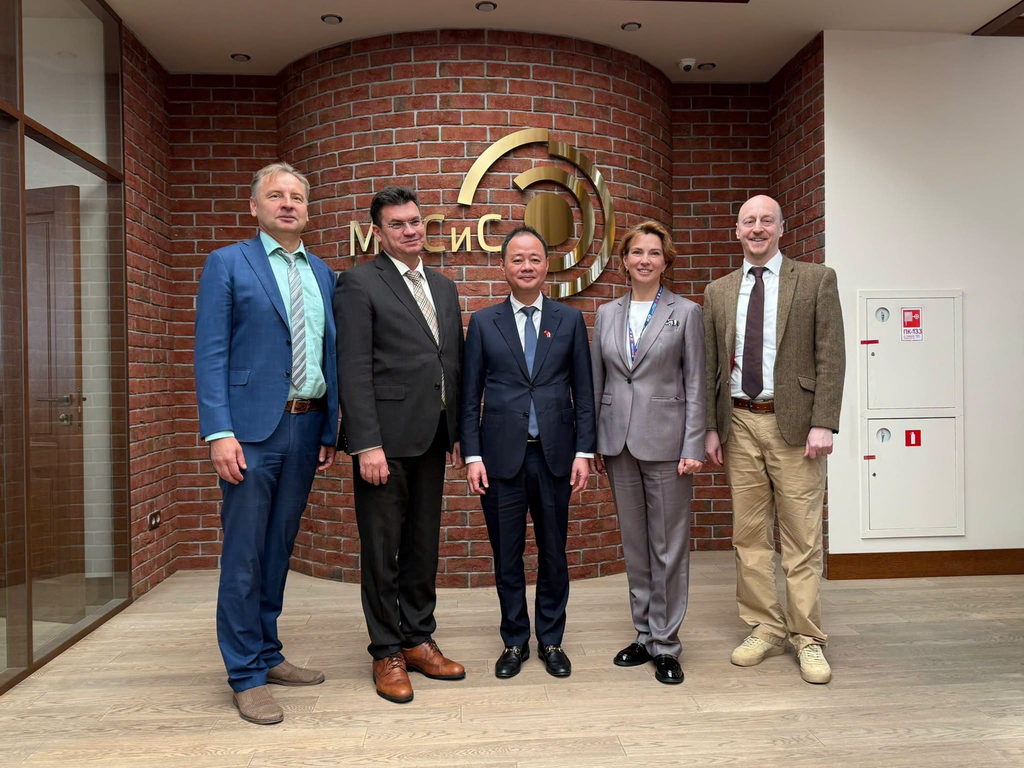
Vietnam’s push to become a sovereign player in quantum information science took a concrete step forward this week. The Vietnam Academy of Science and Technology (VAST) and Russia’s State Atomic Energy Corporation, Rosatom, formalised a bilateral research‑and‑development roadmap during a high‑level session in Moscow. The agreement dovetails with Hanoi’s ongoing effort to craft a National Quantum Technology Strategy that will guide the country’s quantum agenda through 2045.
Core Elements of the Vietnam‑Rosatom Roadmap
- Institutional partners – VAST will work directly with Rosatom’s Quantum Technologies division, the P.N. Lebedev Physical Institute, and the National University of Science and Technology MISIS. The collaboration includes joint workshops, staff exchanges, and remote access to Russian quantum processing units (QPUs).
- Strategic focus areas – The roadmap outlines three priority tracks:
1. Cybersecurity and defence – Deploying post‑quantum cryptography (PQC) and pilot quantum key distribution (QKD) links for the ministries of Defence and Public Security to mitigate “harvest‑now‑decrypt‑later” threats. 2. Software and algorithms (2025‑2030) – Building undergraduate and graduate curricula, developing quantum‑machine‑learning (QML) algorithms, and leveraging remote cloud simulators to avoid early hardware capital outlays. 3. Hardware and components (2030‑2045) – Gradually establishing domestic design and fabrication capabilities for optical components, small‑scale quantum modules, and eventually a national quantum hardware supply chain.
- Timeline – The partnership is structured as a near‑term activation phase (2024‑2025) followed by phased domestic development milestones extending to 2045.
Why Remote Access Matters for Vietnam
Vietnam faces a classic capital‑intensity challenge: building cryogenic infrastructure and acquiring QPUs costs tens of millions of dollars. By securing remote access to Rosatom’s quantum processors, Vietnamese researchers can begin algorithm development, materials modelling, and security‑focused simulations without the upfront hardware spend. This approach also accelerates skill‑building; students and engineers can work on real‑world quantum workloads under the mentorship of Russian specialists who will periodically visit research hubs in Hanoi and Ho Chi Minh City.
Balancing Global Partnerships: BRICS vs. European Standards
The Vietnam‑Rosatom pact reflects Hanoi’s pragmatic, multi‑aligned technology posture. While the agreement taps the BRICS quantum ecosystem for early hardware access, Vietnamese advisory groups—led by the Vietnam Quantum Technology Network (VNQuantum)—are simultaneously urging alignment with European standards such as the EuroQCI framework. The rationale is two‑fold:
- Security – European‑grade QKD and PQC standards are seen as a benchmark for protecting critical communications.
- Diversification – Engaging both Russian and European partners reduces reliance on any single supplier and broadens the talent pool.
Looking Ahead: From Roadmap to National Strategy
The bilateral roadmap is a building block for the broader 2045 strategy that the Vietnamese government is drafting. Key next steps include:
- Formalising a national quantum governance body to coordinate ministries, academia, and industry.
- Securing funding streams for the phased hardware development programme.
- Publishing detailed standards that harmonise Russian‑derived protocols with European‑style security frameworks.
Conclusion
Vietnam’s partnership with Rosatom provides a practical pathway to jump‑start quantum research while keeping capital expenditures manageable. Coupled with a forward‑looking national strategy that balances BRICS and European collaborations, the roadmap positions Vietnam to develop a home‑grown quantum ecosystem capable of addressing both civilian innovation and national security challenges by 2045.
Source
Read original sourceWhy we picked this
Accepted from curated QuantumUnzipped source (relevance scoring disabled).