Weekly Digest
Week of October 12, 2026
40 articles published this week
Saturday, October 17
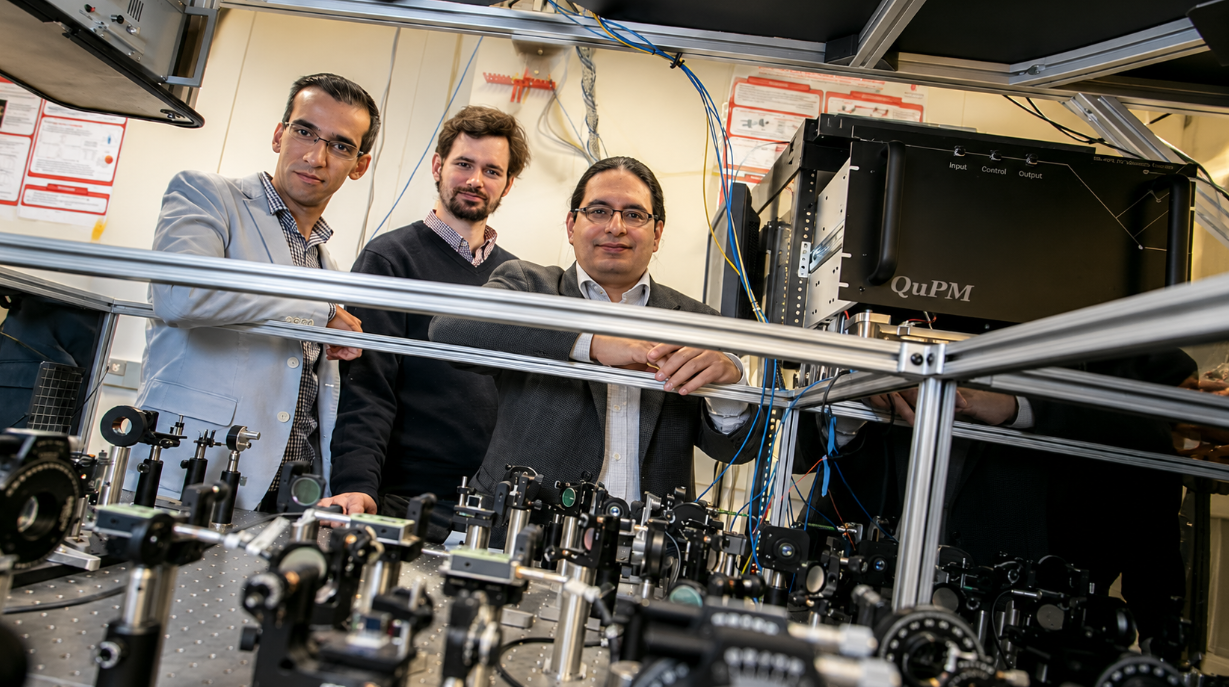 Stony Brook Quantum Memory Named to TIME’s Best Inventions of 2026
Stony Brook’s room‑temperature quantum memory, commercialized as Qu‑MEM by Qunnect, has earned a spot on TIME’s Best Inventions of 2026, highlighting the university’s role in advancing practical quantum networking.
 Google Demonstrates Method to Cut Errors in Quantum Computing’s ‘Magic States’
Google’s Willow processor achieved a 40‑fold reduction in magic‑state preparation errors, demonstrating 99.99% logical fidelity and a promising path toward lower‑overhead error‑corrected quantum computing.
 Terra Quantum Joins QuEra Quantum Alliance
Terra Quantum joins the QuEra Quantum Alliance, bringing its hardware‑agnostic TQ42 software platform to support neutral‑atom quantum hardware and accelerate enterprise quantum applications.
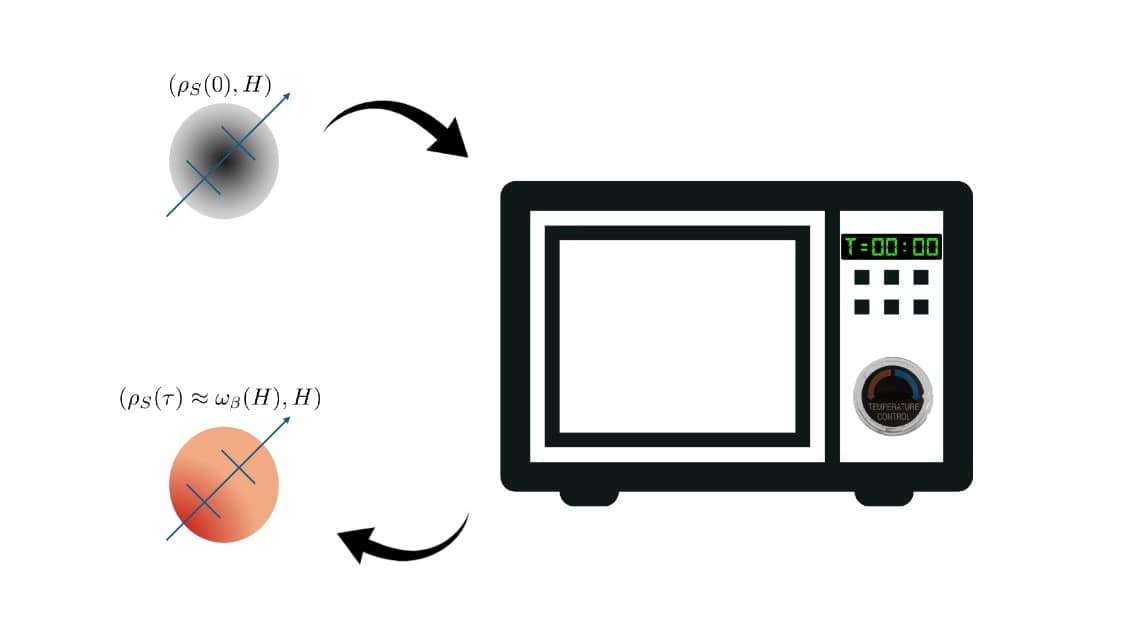 Your beer can only cool so fast. Blame quantum mechanics
Quantum mechanics sets a universal speed limit on how quickly any object can reach thermal equilibrium.
 The Quantum Omelette Problem: How Much Energy Belongs to the Yolk?
Strong coupling in quantum thermodynamics forces us to choose among three definitions of internal energy, and only the ones that respect the second law remain physically consistent.
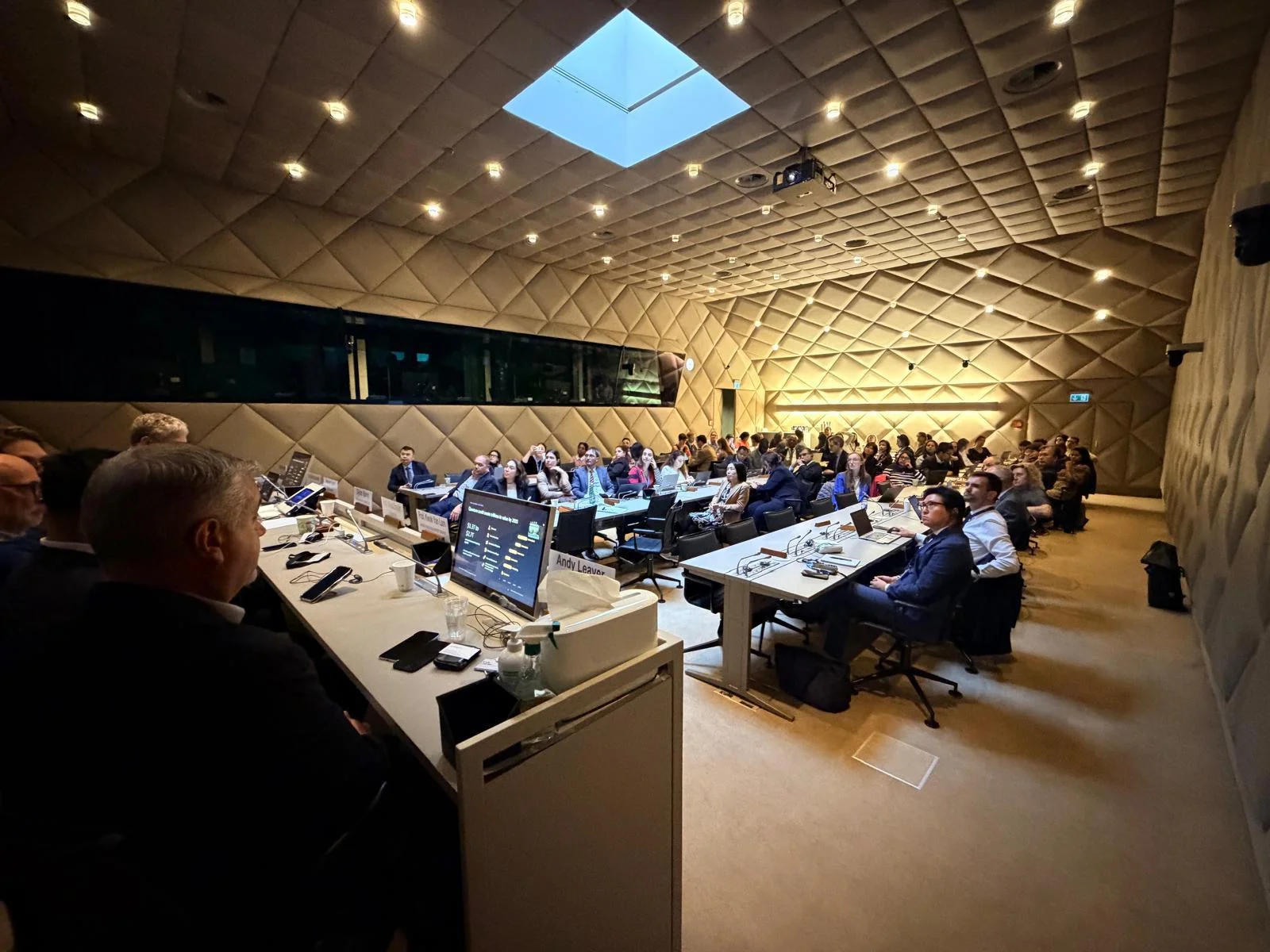 In ‘Quantum 101’ Session, WTO Trade Officials Hear Quantum Encryption Window May Close Within Five Years
WTO officials were warned that current encryption protecting global trade could be broken by quantum computers within five years, prompting calls for international standards and rapid migration to quantum‑safe cryptography.
 Accuracy Is the Foundation of Meaningful Quantum Computing
High‑accuracy quantum hardware is the essential foundation for reliable scientific results and the path toward fault‑tolerant quantum computing.
 QuEra Scientists Named Co-Principal Investigators on Three of Nine Teams in DOE’s Quantum Chemistry Program
QuEra Computing scientists will co‑lead three of the nine DOE‑funded QC3 teams, providing neutral‑atom quantum hardware and full‑stack co‑design expertise to tackle high‑impact energy materials challenges.
 Germany Publishes National Post-Quantum Cryptography Migration Guideline
Germany’s BMI, BMDS, and BSI issued a national guideline urging high‑risk systems to adopt quantum‑safe cryptography by 2030 and complete the broader transition by 2035, emphasizing clear responsibilities, systematic risk assessments, and crypto‑agility.
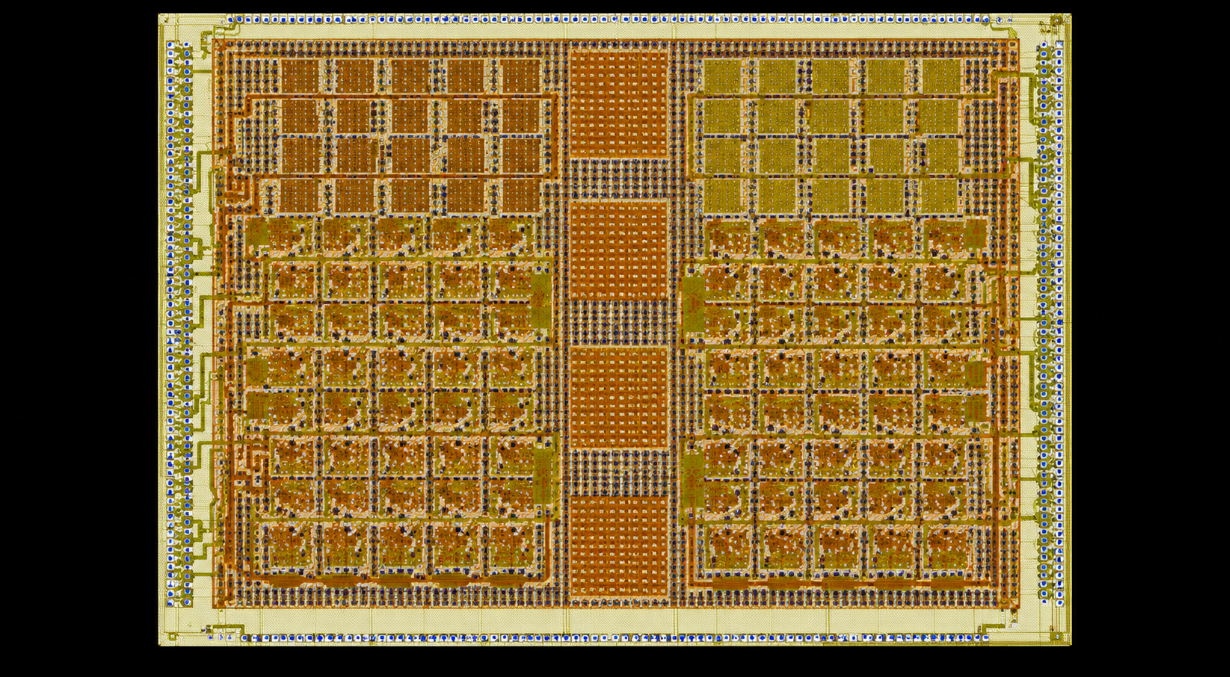 Anderon Releases First Superconducting Quantum PDK
Anderon’s new superconducting quantum PDK offers standardized design blocks and a reference coherence design for 300 mm wafer fabrication, aiming to streamline quantum device development.
 A highway instead of a racetrack: Strong coupling of light and sound in an optical fiber
Scientists achieved strong, cavity‑free coupling of light and sound in a cryogenically cooled optical fiber using stimulated Brillouin scattering, opening new routes for quantum signal processing and massive‑object quantum experiments.
 New high-frequency method boosts 2D material readout for next-gen quantum computers
A strontium‑titanate variable capacitor enables near‑perfect impedance matching for high‑frequency readout of high‑resistance 2D‑material quantum dots, dramatically speeding charge detection for next‑generation qubits.
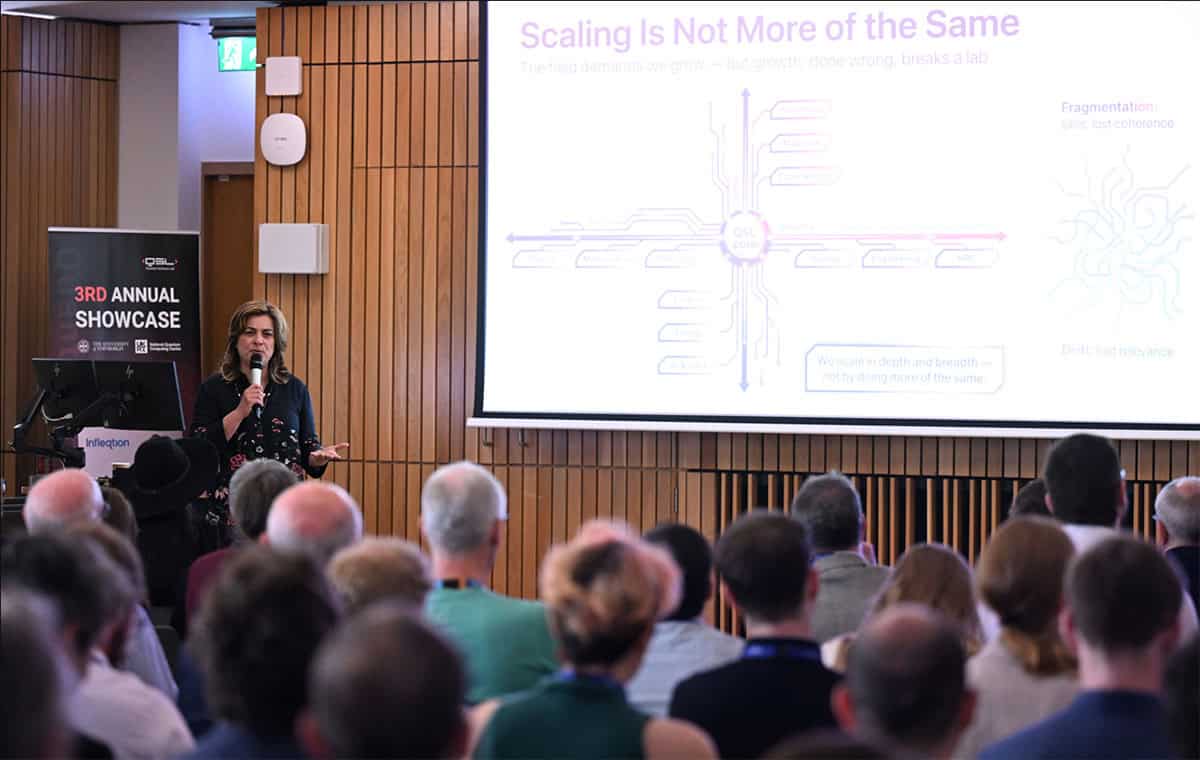 Festival season finds Quantum Software Lab in high spirits
The Quantum Software Lab’s thriving community and its partnership with the National Quantum Computing Centre have turned the Quantum Fringe festival into a vibrant showcase of collaborative research, education, and industry engagement.
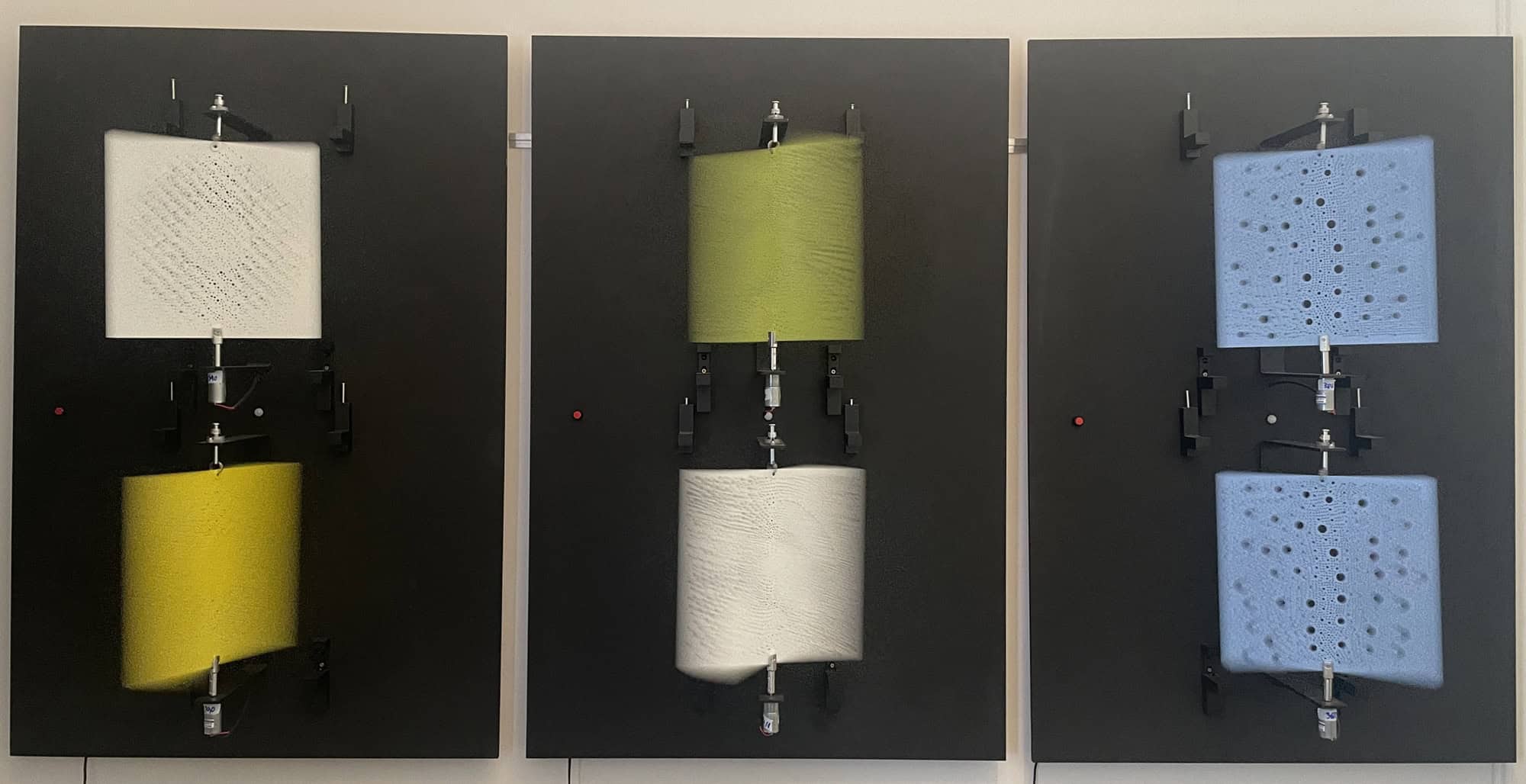 Scottish artist marks 100 years of Schrödinger equation with new installation
Scottish artist Gregor Harvie’s kinetic installation “Superposition” uses spinning perforated panels to give visitors a tangible glimpse of quantum superposition and entanglement on the centenary of Schrödinger’s equation.
 Ignacio Cirac: Newton Medal winner looks to the future of quantum technology
Ignacio Cirac, 2026 Isaac Newton Medal laureate, reflects on quantum information’s past, present challenges, and the strategic path forward for Europe’s quantum industry.
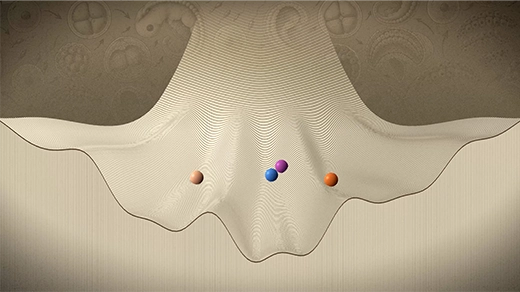 How Does Life Unfold? A Landscape Metaphor Comes Into Its Own.
Waddington’s epigenetic landscape, once a metaphor, is now grounded in data, showing how gene networks shape cell fate and offering new routes for regenerative medicine.
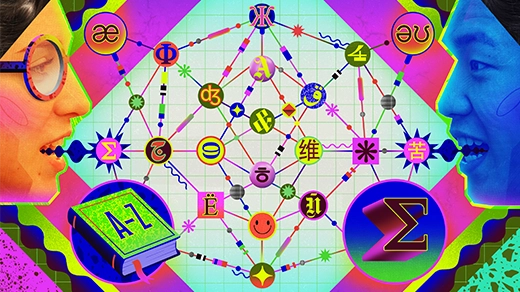 Is ‘Attention’ the Essence of Intelligence?
Attention mechanisms let neural networks dynamically focus on relevant parts of input, enabling scalable language understanding and suggesting a core role for attention in intelligence.
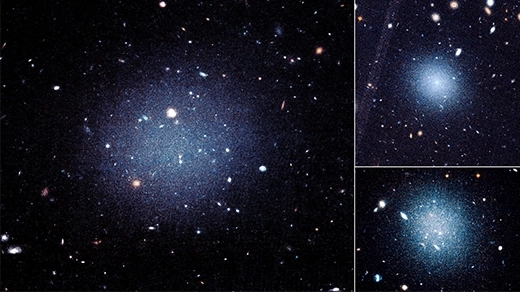 Triplet of ‘Ghostly’ Galaxies Hints at What Dark Matter Is — and Isn’t
A trio of dark‑matter‑deficient galaxies likely formed from a past collision that stripped away their dark matter, bolstering the case for dark matter as a physical substance and challenging modified‑gravity alternatives.
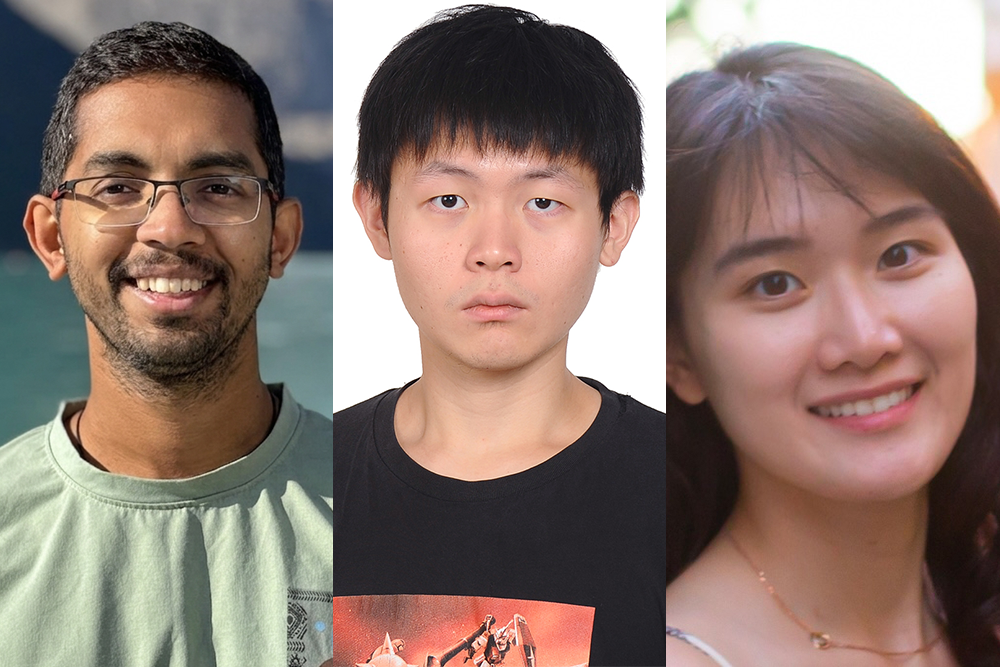 From MIT to IBM, expediting AI and quantum deployment
MIT‑IBM Computing Research Lab bridges theory and industry, enabling alumni to turn quantum, reinforcement‑learning and trustworthy‑AI research into real‑world IBM applications.
 New qubit architecture enables faster, more accurate operations
MIT researchers have created a dual‑purpose “arm qubit” that separates data storage from interaction, promising faster, more reliable quantum operations.
Sunday, October 18
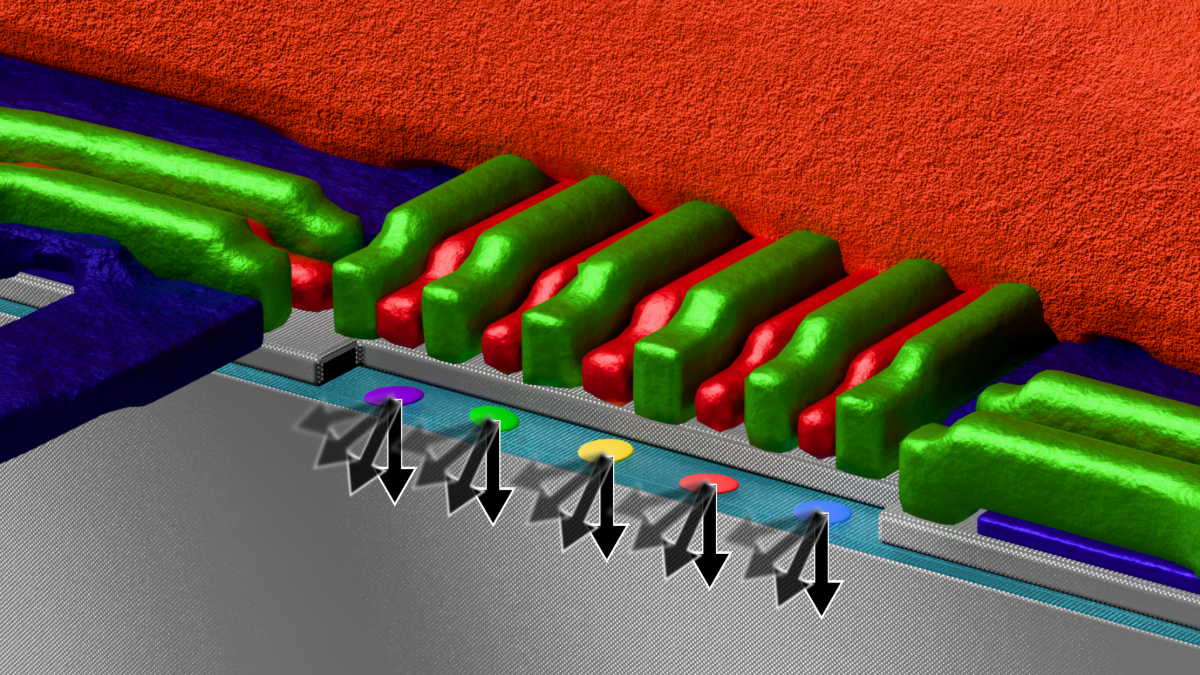 Riken Institute’s work scales up silicon-based quantum processors
RIKEN researchers demonstrated high‑fidelity, shared‑line control of a five‑qubit silicon spin array, a key step toward scalable silicon quantum processors.
 Toshiba, SpeQtral and HPE secure data with quantum-safe VPNs
Toshiba, SpeQtral and HPE demonstrate a crypto‑agile, quantum‑safe VPN solution that layers post‑quantum cryptography with quantum key distribution to protect existing IPsec networks.
 Guest Post: AI Infrastructure Investment and the Future of Quantum Computing
AI infrastructure spending is creating a flexible foundation that can later integrate quantum computing, offering investors diversified opportunities across hardware, software, and connectivity.
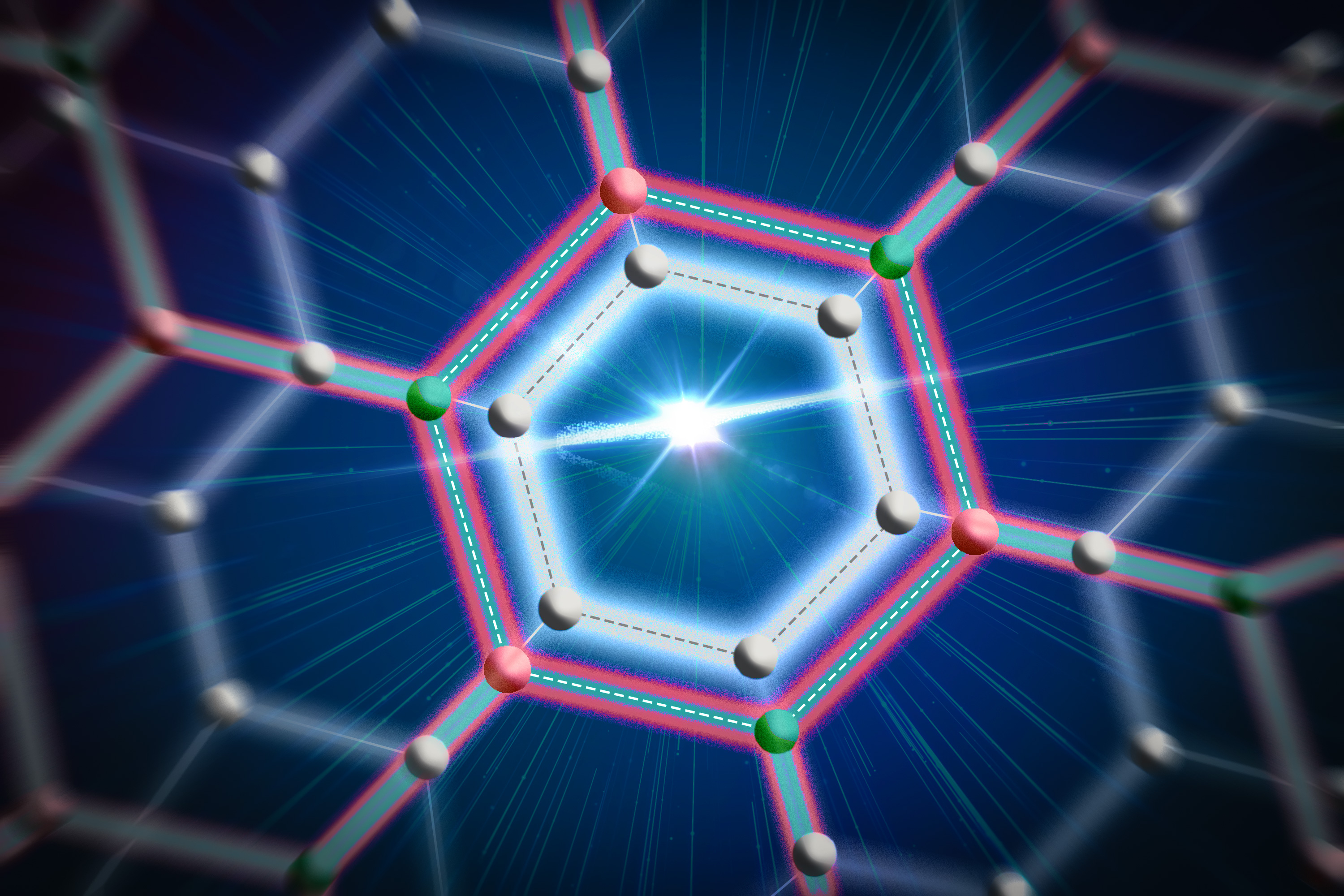 Researchers make air-stable, ultrathin superconductors, for more scalable quantum devices
MIT researchers have developed a wafer‑scale method to grow air‑stable, atom‑thin niobium diselenide superconductors beneath graphene, enabling compact quantum circuits.
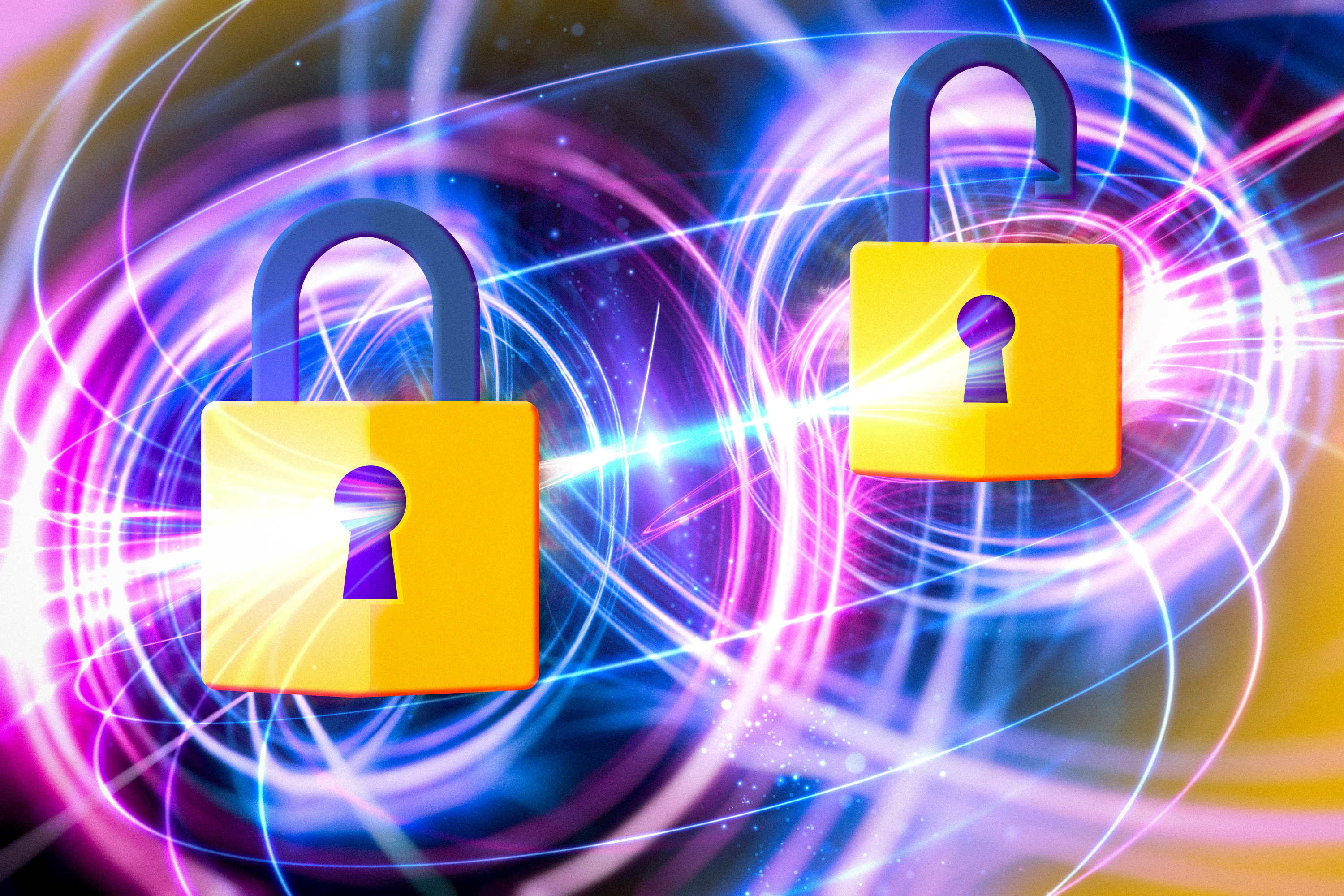 Securing wireless communication in next-generation devices
MIT researchers have created a room‑temperature magnon‑microwave platform that generates paired, highly correlated radio‑frequency signals, opening a practical path to secure wireless communication and quantum‑inspired sensing.
 MIT Quantum Initiative launches postdoctoral fellowship program
MIT’s Quantum Initiative has launched its first postdoctoral fellowship program to foster interdisciplinary quantum research and develop future quantum leaders.
 Robert Wille (Munich Quantum Software Company): Quantum software needs design automation, not just algorithms
Quantum software must evolve from algorithm‑centric prototypes to robust, design‑automation‑driven, hardware‑agnostic stacks to enable practical quantum applications.
 Anthropic’s Claude Designs Leaner Quantum Circuits, Reducing Resources Needed for Key Calculations
Anthropic’s Claude AI helped design quantum circuits that cut gate counts and qubit needs dramatically, showing how AI can streamline quantum algorithm components.
 Researchers Entangle 13 Photons to Build Larger Quantum Graphs
A deterministic, programmable fusion technique using superconducting circuits enables entanglement of 13 photonic qubits, advancing scalable photonic graph‑state generation for quantum computing and networks.
 Quantum Gate Complexity Reduced for Long Distance Computation
A new protocol using pre‑shared GHZ entanglement cuts the number of CNOT and Hadamard gates needed for n‑qubit fan‑out operations, boosting success rates and resource efficiency for long‑distance quantum computing.
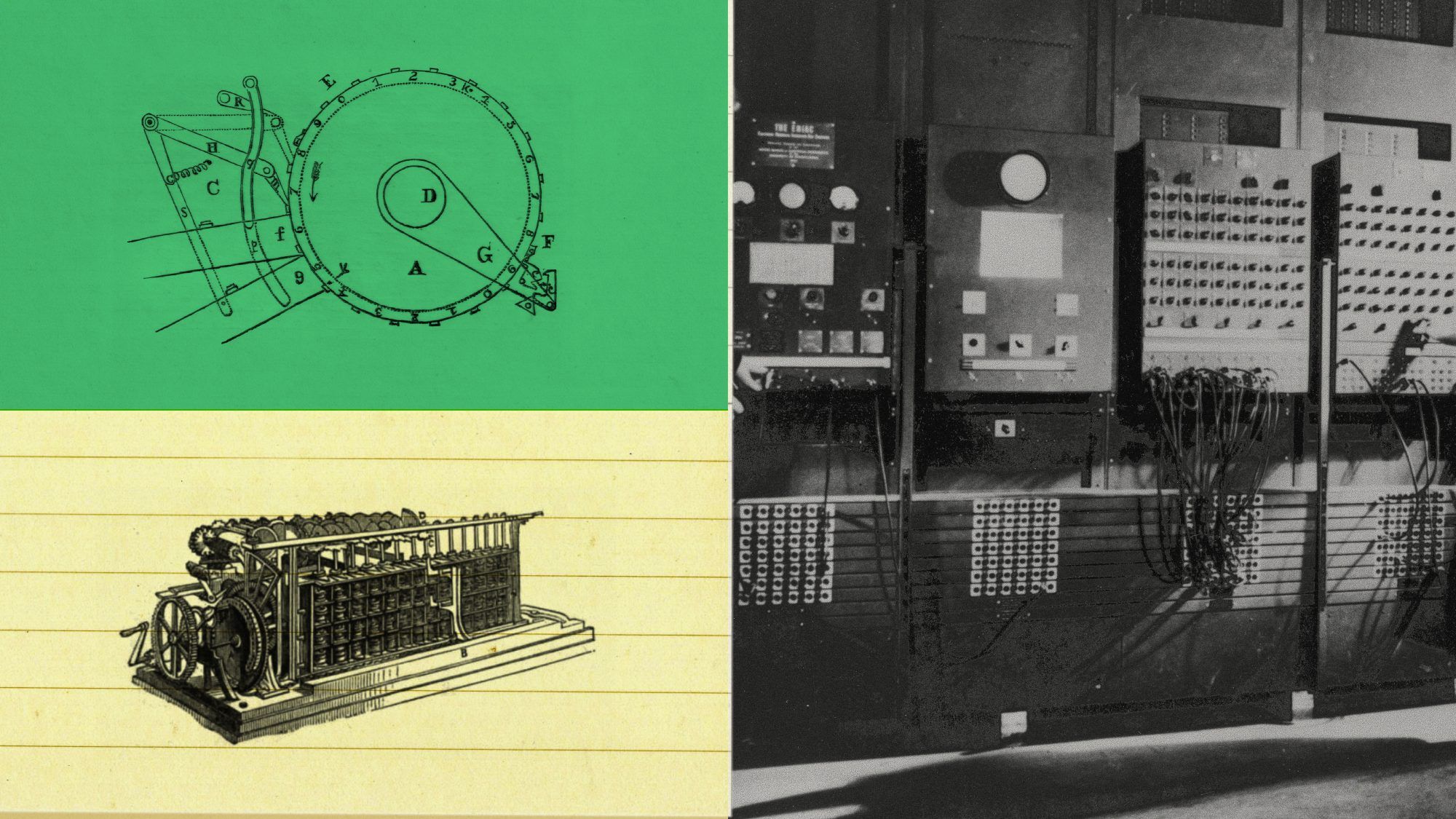 Anthropic’s Claude improves quantum optimization designs
Anthropic’s Claude AI autonomously redesigns quantum circuits, cutting qubit and gate counts dramatically and pointing to AI‑driven quantum algorithm engineering.
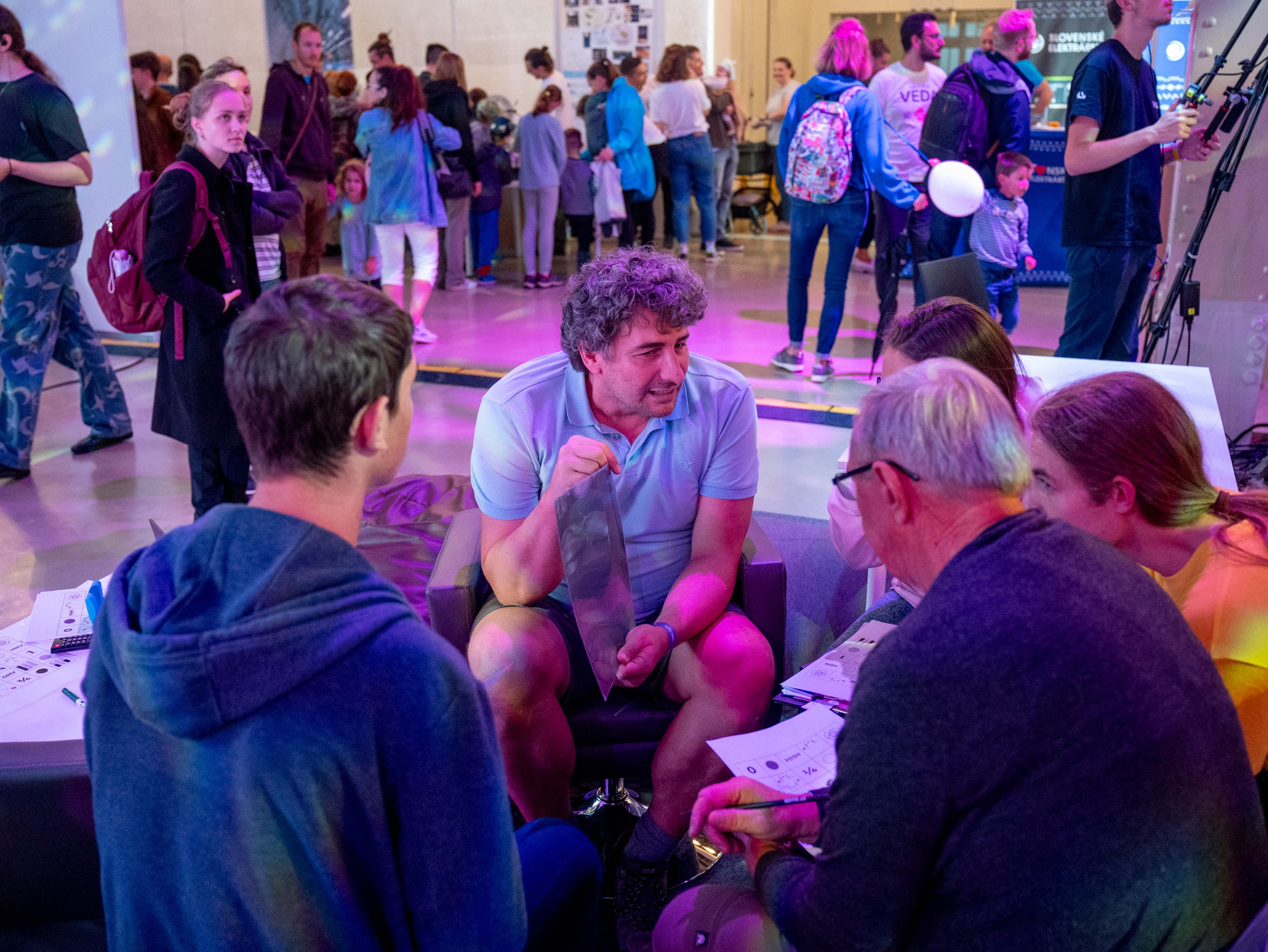 Quantum Zone expands at European Researchers’ Night with new partner
The Quantum Zone adds the Faculty of Management Science and Informatics (FRI UNIZA) as a partner for European Researchers’ Night, expanding its interdisciplinary outreach.
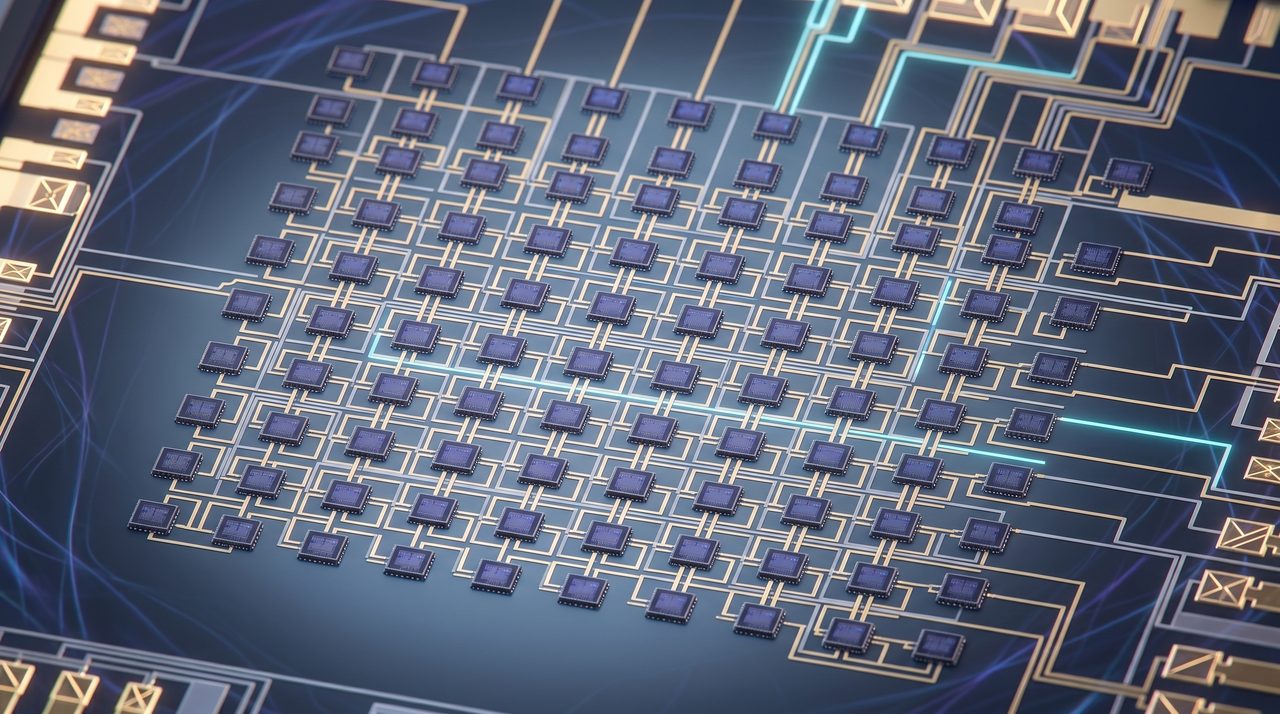 Cat-like quantum states confirmed in a three-photon chip
A three‑photon Kerr parametric oscillator chip has demonstrated coherent three‑component cat‑like states, establishing a protected qutrit manifold and a new time‑domain method for measuring its energy‑gap protection.
 QCentroid shows defence groups how to find quantum’s value
QCentroid’s QuantumOps method gives defence organisations a data‑driven way to benchmark quantum computing against classical solutions, helping them decide when to adopt, wait, or skip quantum technologies.
 Quantum Zeitgeist Weekly Digest October 17th
This week’s quantum roundup highlights AI‑driven chip design speedups, fault‑tolerant algorithm breakthroughs, massive funding moves, and accelerating quantum‑secure networking.
 Quantum magic state cleanup cuts errors 40-fold in first successful hardware test
Google Quantum AI’s first hardware demonstration of magic‑state cultivation cuts error rates by a factor of 40, achieving roughly 99.99% fidelity.
 Chalmers joins European effort to unify quantum software
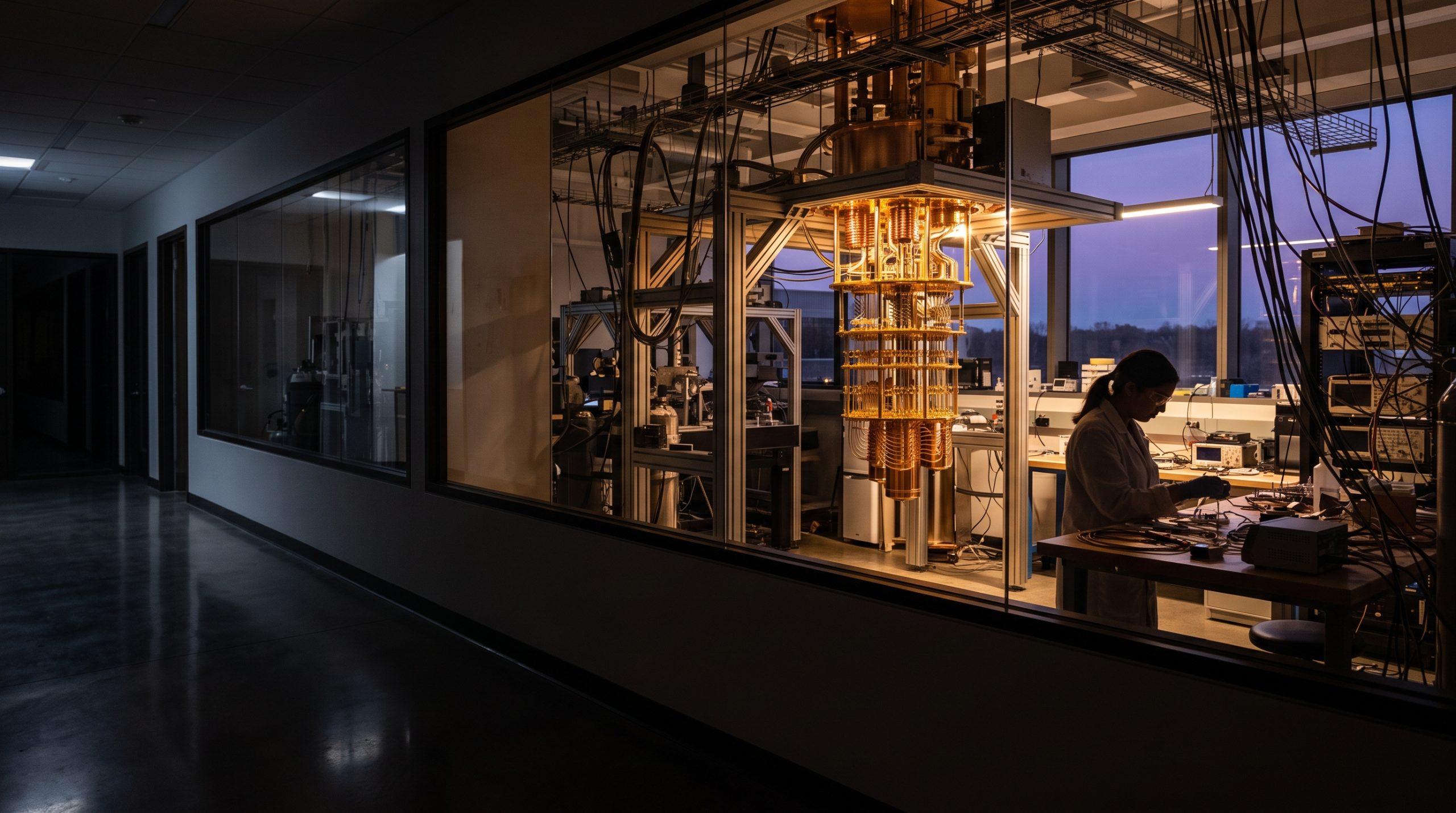
Chalmers joins the EU‑funded EuroQSS project to build a pan‑European open framework that unifies quantum software and enables hybrid quantum‑classical computing.
 Reinforcement learning cuts gate count for 4-qubit states
Reinforcement learning can construct disentangling circuits for 4‑qubit states using at most five two‑qubit gates, offering a gate‑efficient pathway for NISQ‑scale quantum computing.
 Simulator finds proof of higher-order quantum topology
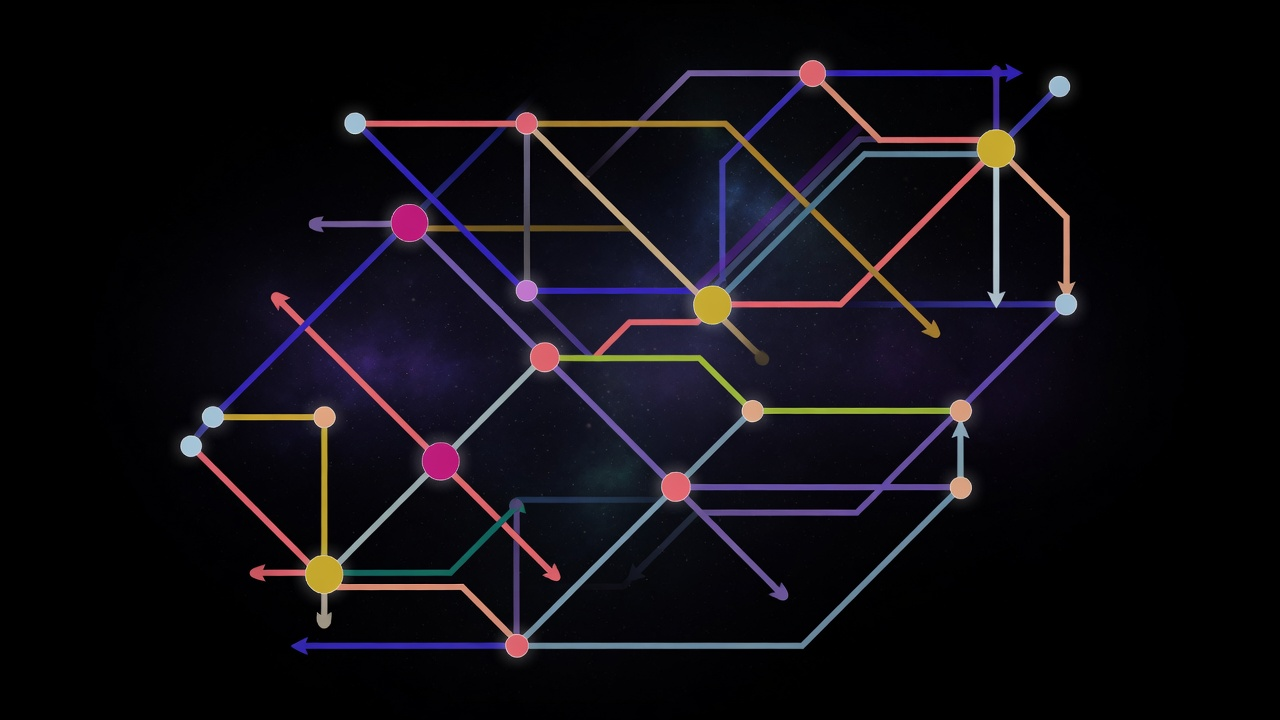
A 728‑qubit superconducting analogue‑digital quantum simulator was used to reconstruct bulk and boundary topological invariants, confirming higher‑order bulk‑boundary correspondence in three‑dimensional octupole insulators.
 Letter to a prospective student
A prospective PhD student should view AI advances as a catalyst for deeper, mentorship‑driven research rather than a reason to abandon theoretical physics.
Free weekly email
This week in quantum
Every Monday, the week’s quantum briefings in one short email: what happened, why it matters, and the source. Unsubscribe anytime.