Weekly Digest
Week of October 19, 2026
138 articles published this week
Monday, October 19
 Hybrid diamond chip strengthens interactions between light and quantum bits
A new GaP‑on‑diamond nanophotonic chip achieves high‑cooperativity coupling between photons and silicon‑vacancy qubits, paving the way for scalable quantum networks.
 Physicists prove a long-suspected quantum speed limit for thermalization
Physicists have mathematically proven a universal quantum speed limit that governs how fast any quantum system can reach thermal equilibrium, linking the minimum time to temperature, Planck’s reduced constant and Boltzmann’s constant.
 A new way to detect stabilizing properties of optical devices
A programmable photonic chip can simulate lossy optical systems without signal loss, enabling direct detection of topological stability features and exceptional points.
 New monolithic ion trap opens quantum simulations to more researchers
A new monolithic 3D ion trap that works with heavy ions makes trapped‑ion quantum simulators more accessible and scalable for research labs.
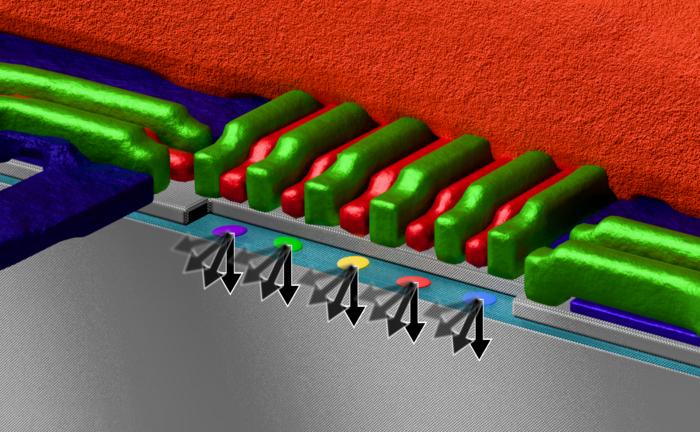 RIKEN Team Improves Parallel Control of Silicon Spin Qubits
RIKEN researchers achieved high‑fidelity parallel control of five silicon spin qubits using a shared microwave line and pairwise phase‑calibration, maintaining gate fidelities above 99.9%.
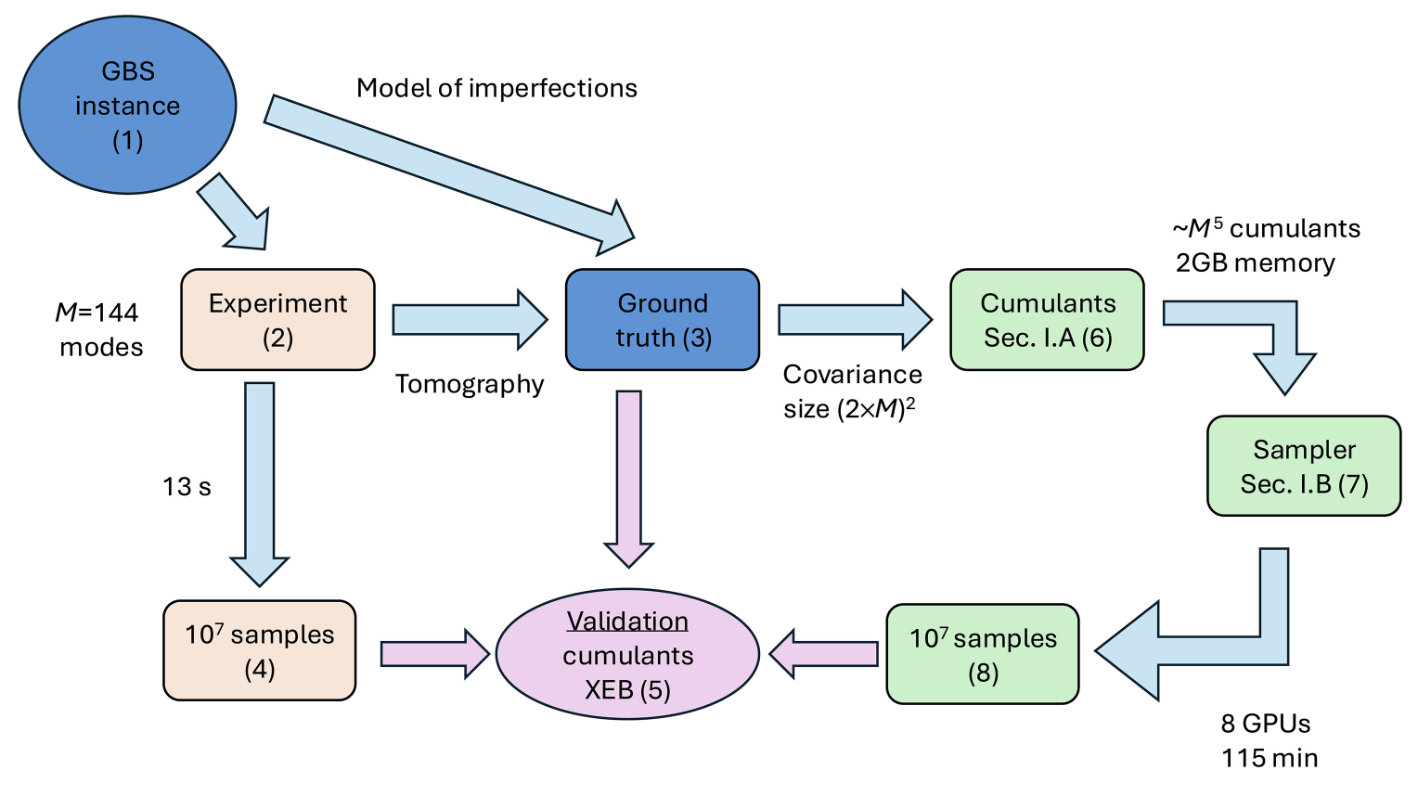 Advance Could Lead to Bigger, More Reliable Quantum Computers, University of Edinburgh Scientists Say
Edinburgh researchers have created an algorithm that lets ordinary computers simulate photonic quantum devices using only about 5% of the power previously required, promising cheaper, larger‑scale quantum research.
 Infleqtion gathers leaders in London to find quantum’s worth
Infleqtion’s London forum on Nov 3 2026 will bring senior executives from key industries together to explore practical quantum‑technology use cases and chart paths to commercial value.
 Two qubits now map how energy spreads through quantum systems
A two‑qubit sensor using T₂ spectroscopy can separately capture noise and response in many‑body quantum systems, revealing light‑cone‑like energy‑transport patterns and distinguishing ballistic, diffusive, and non‑equilibrium regimes.
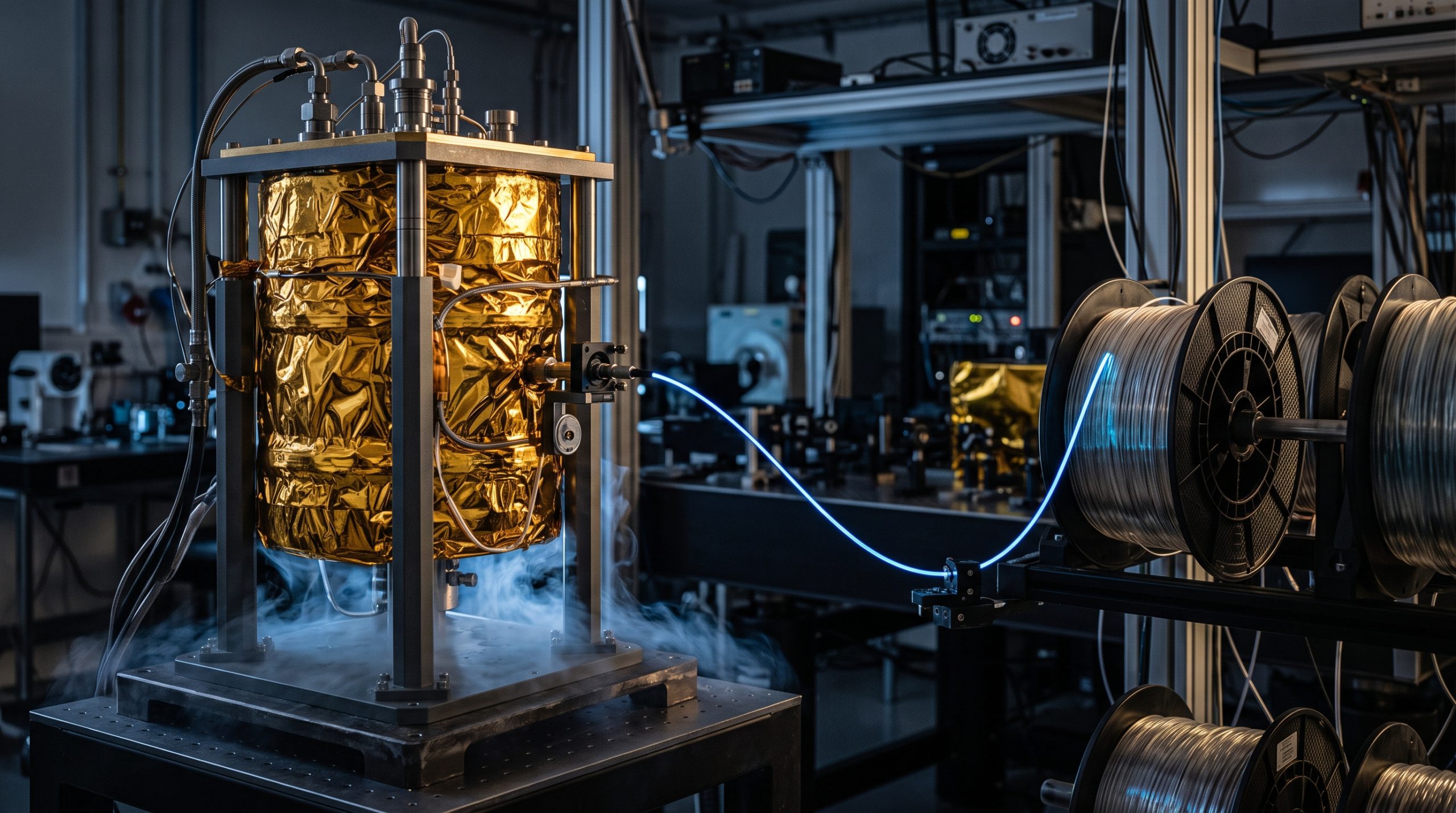 Quantum memory gets a boost from encoding data more efficiently
Dense encoding halves the Toffoli cost of quantum read‑only memory, delivering up to a four‑fold speedup over prior QROM methods.
 SpecterAI’s Huynh says banks must test quantum defenses now
Banks should launch independent, staged quantum‑security programs now to protect data before quantum computers can decrypt today’s encryption.
 China’s Tuoyuan Targets Neutral-Atom Quantum Computing
Chinese startup Tuoyuan, led by quantum researcher Mu Qiao, aims to build a neutral‑atom quantum processor with 100 logical qubits, but its timeline, funding details, and hardware benchmarks remain unverified.
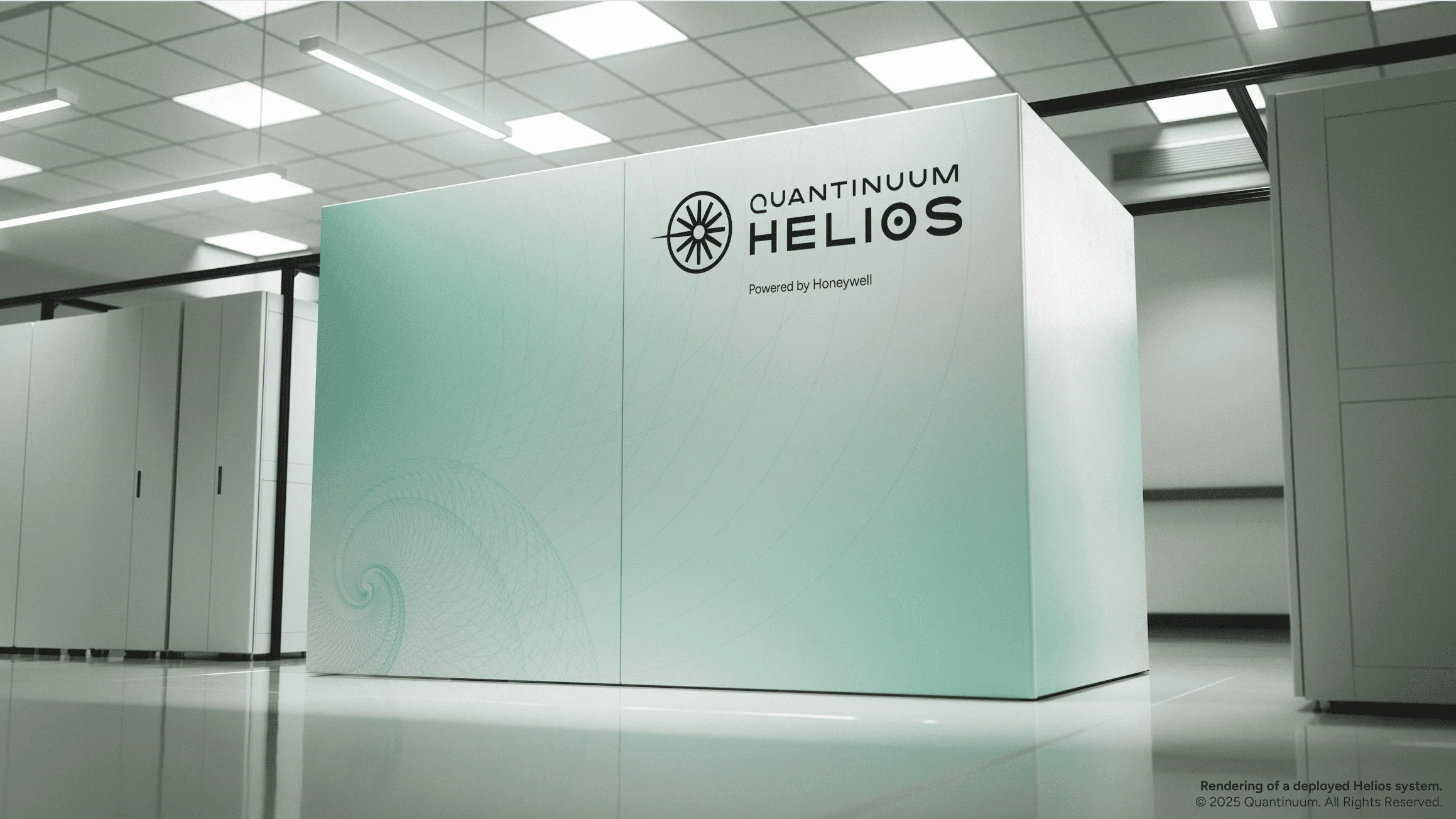 Quantinuum Reports a 10x Reduction in Logical Error Rate on Helios
Quantinuum achieved a ten‑fold reduction in logical error rate on its Helios trapped‑ion quantum computer using a color‑code error‑correction scheme, reaching 99.9995% logical fidelity.
 Quantinuum Closes In on One Million Error-Free Operations
Quantinuum’s Helios trapped‑ion system achieved a logical memory fidelity of 99.9995%, demonstrating million‑operation error‑free performance and a new benchmark for quantum error correction.
 UKRI Backs UK Quantum Businesses With Share of £50 Million
UKRI is allocating £50 million to UK quantum firms for sensing applications, plus £20 million for quantum networking and £8 million for apprenticeship training.
 Even sampling from a quantum spin glass may not require a quantum computer (a video abstract, for a change)
Even sampling from a quantum spin glass may be classically tractable, and the author argues that video abstracts can boost genuine scientific understanding in an AI‑flooded era.
 VTT Technical Research Centre partners with Q-STAR on quantum
VTT and Japan’s Q-STAR have signed an MoU to jointly accelerate quantum technology commercialization and build a cross‑national ecosystem.
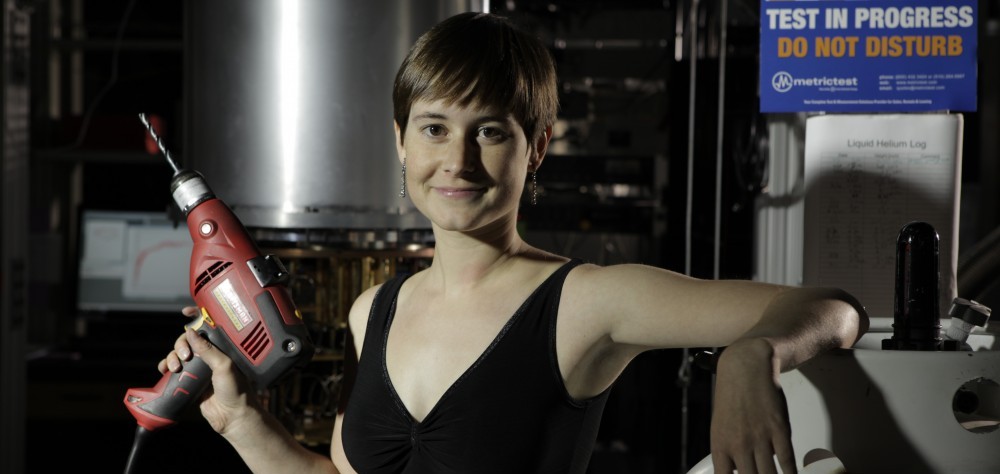 Caltech researcher champions quantum video abstracts for insight
Caltech’s Saleh Naghdi advocates video abstracts to cut through AI‑generated paper overload and boost genuine scientific insight.
 Archer Materials joins Australian quantum push at US Congress
Archer Materials leveraged the Quantum World Congress in Maryland to showcase Australia’s quantum ecosystem and deepen its partnership with IonQ, highlighting the nation’s growing role in the global quantum race.
 Quantum electron-doped cuprates link heat to 10% resistance
New measurements on electron‑doped cuprates reveal that a highly anisotropic inelastic scattering rate, linked to low‑energy spin fluctuations, drops with doping and scales directly with the superconducting critical temperature, a relationship absent in conventional superconductors.
 X-rays reveal surprisingly long-lived spin waves in copper oxide
X‑ray pump‑probe experiments at SwissFEL have shown that magnons in copper‑oxide persist for nanoseconds before converting to phonons, revealing unusually long lifetimes that could benefit spintronic technologies.
Tuesday, October 20
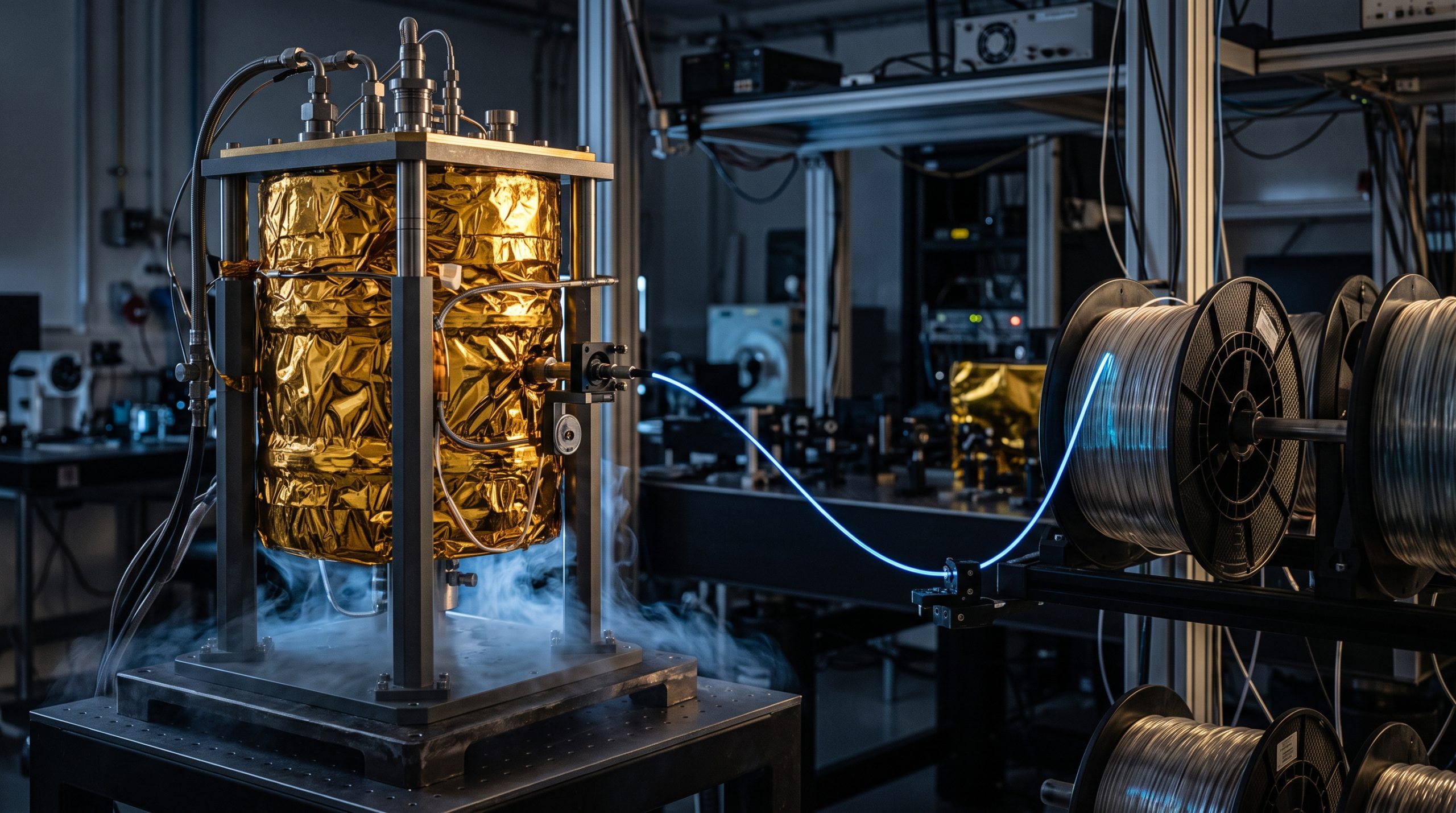 States reach error rates for fault-tolerant quantum memory
Researchers have numerically optimized continuous‑variable circuits to generate high‑quality GKP states, achieving error rates below the fault‑tolerance threshold for quantum memory.
 Qubit coherence falls after radiation hits detector arrays
Radiation events, especially penetrating muons, cause up to a 30% instantaneous drop in superconducting qubit coherence, as shown by a new MKID‑sandwich platform.
 Wrapped Bitcoin shifts Bitcoin custody to cut risk from quantum computers
Wrapped Bitcoin is moving to a multi‑custodian model and new deposit addresses to lessen future quantum‑computing risks to its Bitcoin reserves and the broader DeFi ecosystem.
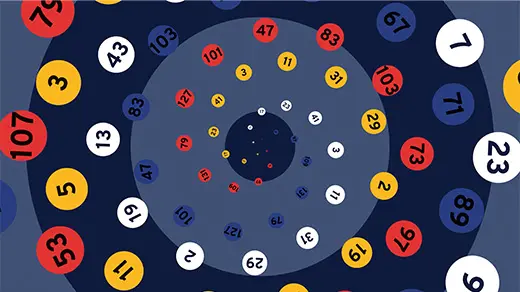 AI Proved the Quasi-Riemann Hypothesis. What Happens Now?
AI’s proof of the quasi‑Riemann hypothesis, a narrowed strip version of the classic conjecture, has been verified by experts and is poised to reshape number‑theory research.
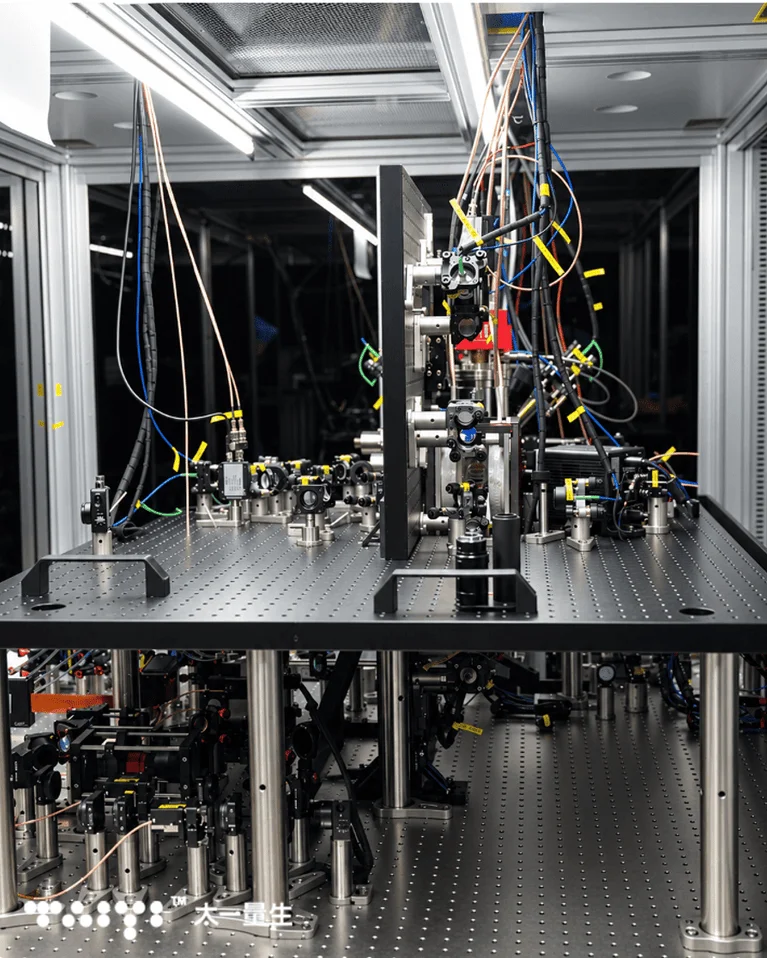 Taiyi Quantum Surpasses ¥1 Billion RMB ($149.6M+ USD) in Cumulative Funding for Ytterbium Neutral-Atom Systems
Taiyi Quantum has raised over ¥1 billion RMB (~$150 M) in its first nine months, positioning its ytterbium neutral‑atom platform as a unicorn‑valued contender for fault‑tolerant quantum computing.
 Quminex Raises $1.5M CAD ($1.06M USD) Pre-Seed Round Led by Quantacet and QAI Ventures to Advance Mineral Discovery Platform
Quminex secured a CAD 1.5 million pre‑seed round led by Quantacet and QAI Ventures to commercialize its AI‑driven mineral discovery platform.
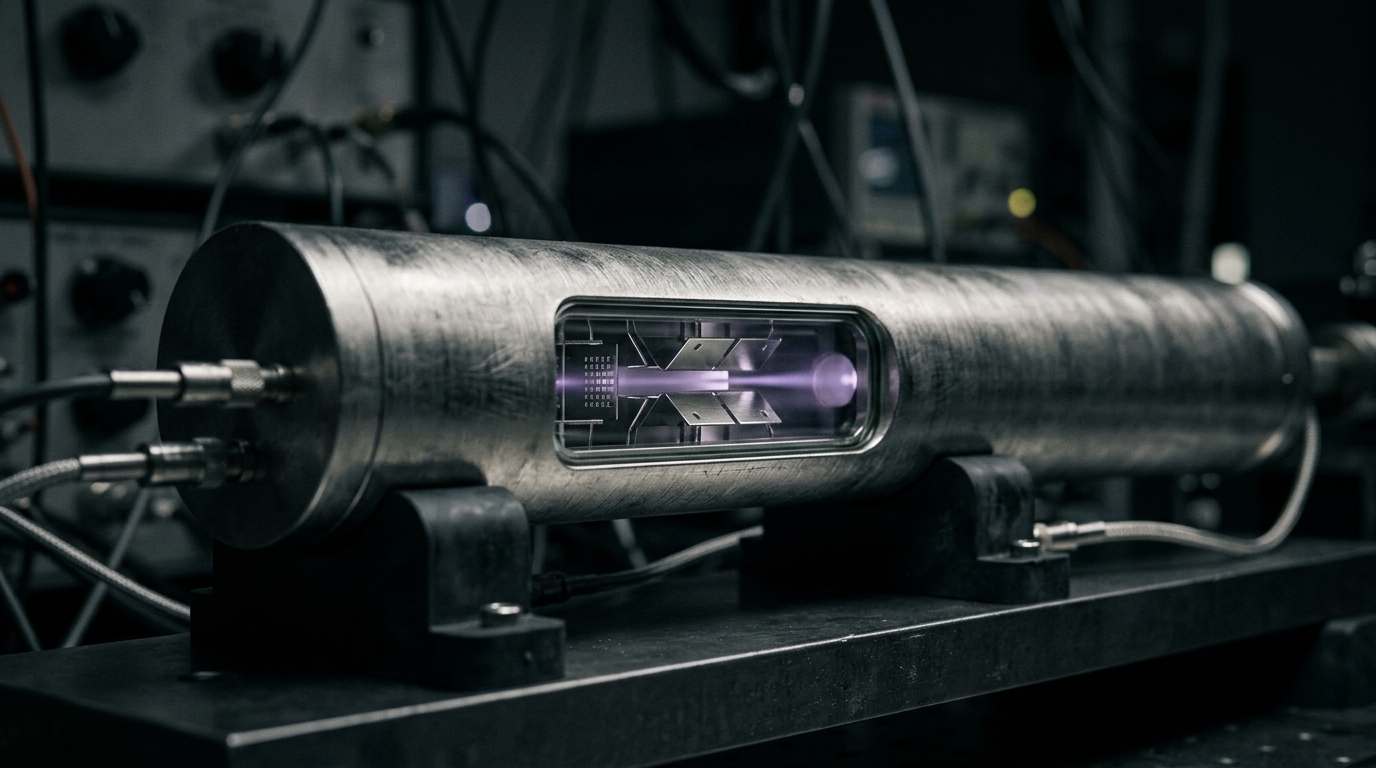 Quantum’s Real Triumph Is the Atomic Clock
Atomic clocks and other quantum sensors are delivering reliable, real‑world benefits today, even as hype around quantum computing outpaces practical deployment.
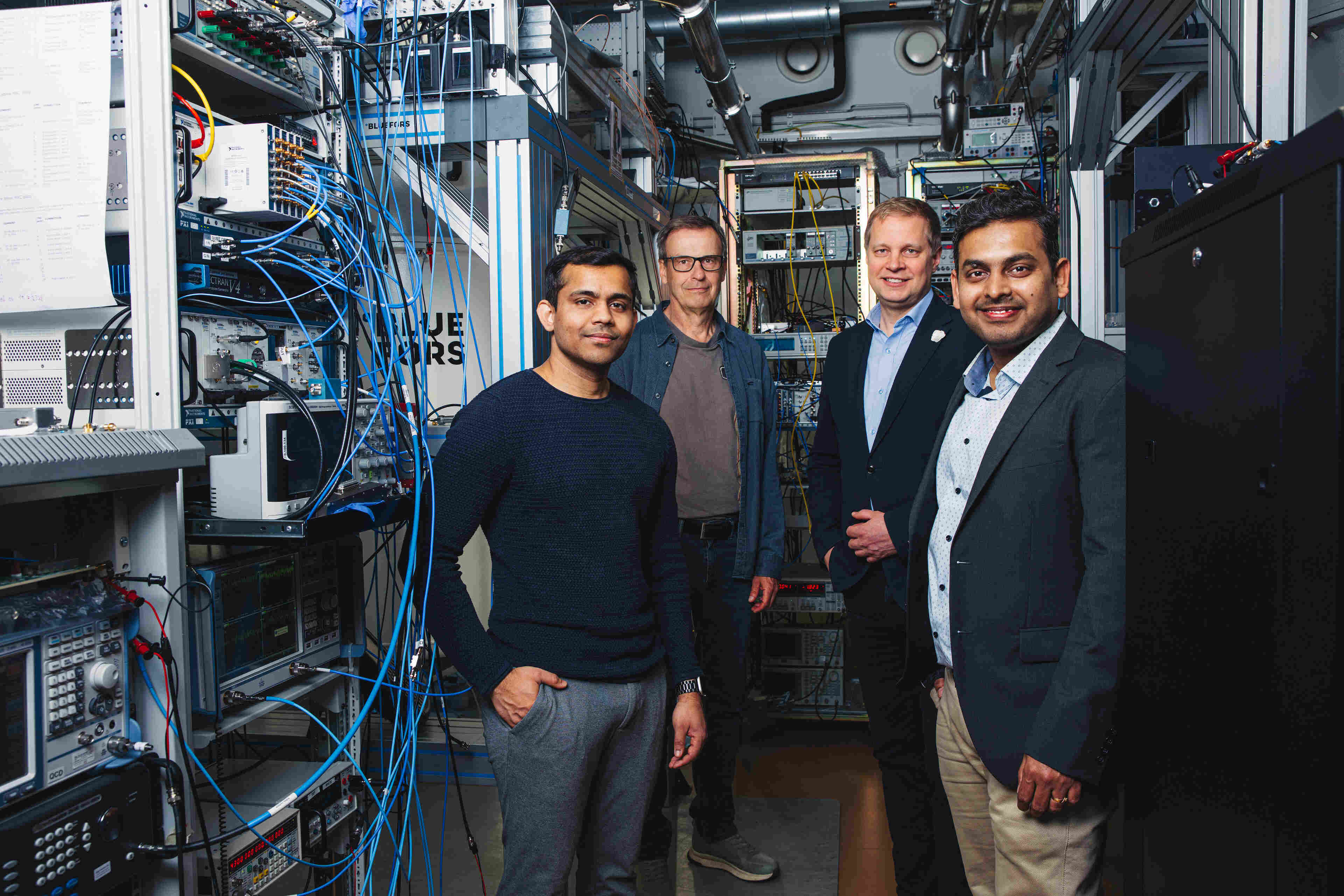 Coherence Quantum Raises €2.78 Million in Seed Round
Finland’s Coherence Quantum secured €2.78 million in seed funding to build cryogenic signalling and control hardware that will help scale solid‑state quantum computers.
 Alice & Bob Reports Cat-Qubit Progress in French Quantum Computing Program
Alice & Bob’s Phase 1 PROQCIMA results show functional cat‑qubit error‑correction blocks on real hardware, but logical error rates remain above the fault‑tolerance threshold.
 Bechtle Expands DLR Quantum Computing Resources With IQM Technology
Bechtle is supplying the German Aerospace Center’s Quantum Computing Initiative with cloud access to IQM’s superconducting quantum computers and a dedicated hybrid classical server through June 2027.
 Reliable Entropy Estimation from Observed Statistics for Device-Independent Quantum Cryptography
A new semidefinite‑programming framework lets researchers reliably bound quantum entropy directly from observed data, boosting the practicality of device‑independent cryptography.
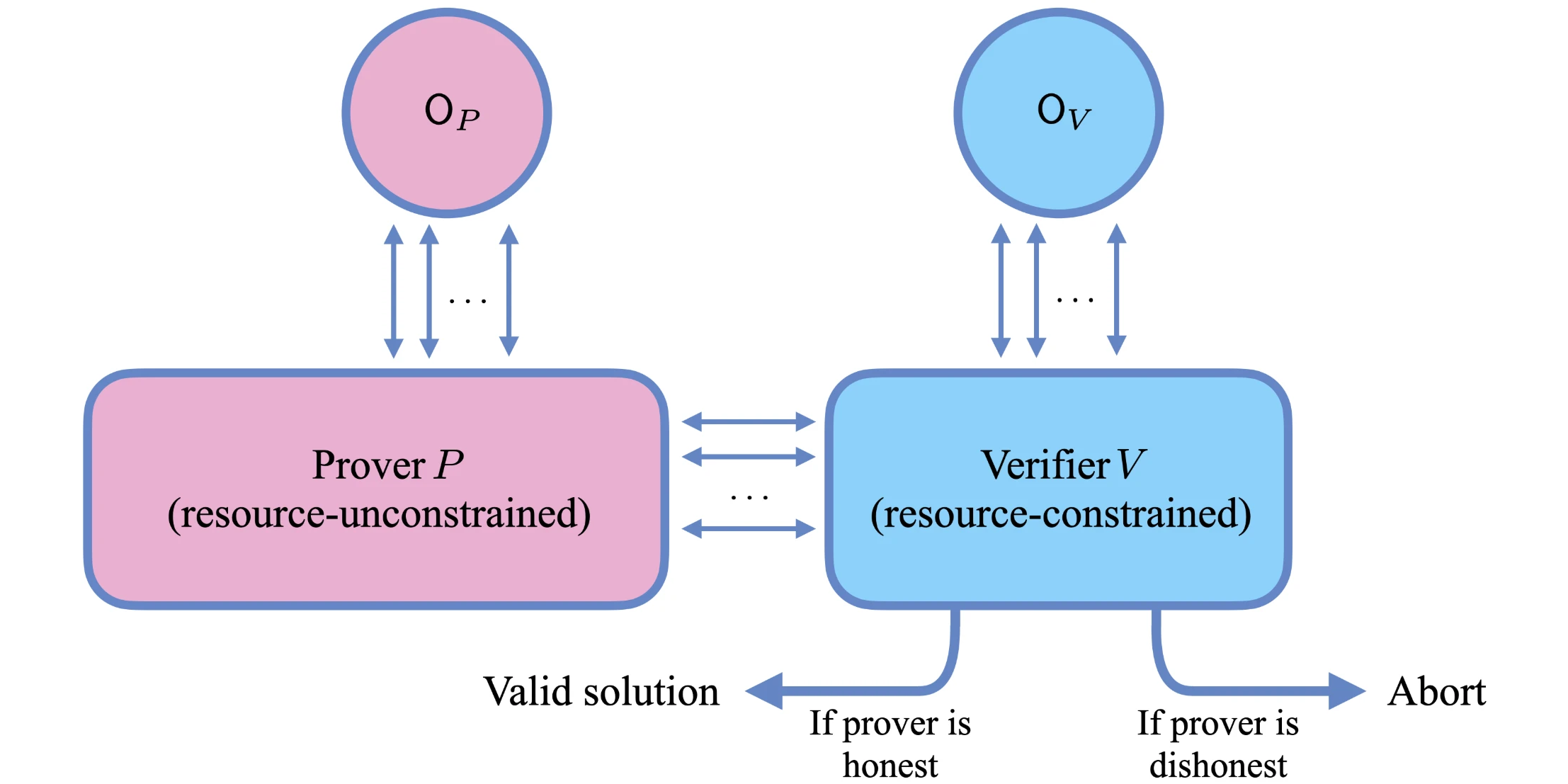 Interactive proofs for verifying (quantum) learning and testing
Interactive proofs can let memory‑limited quantum learners verify complex tasks, but only when quantum communication is allowed; classical interaction alone offers no advantage.
 Asymptotically good bosonic Fock state codes
Randomly indexed Fock‑state codes achieve asymptotically linear protection against amplitude‑damping photon loss while keeping per‑mode photon numbers bounded.
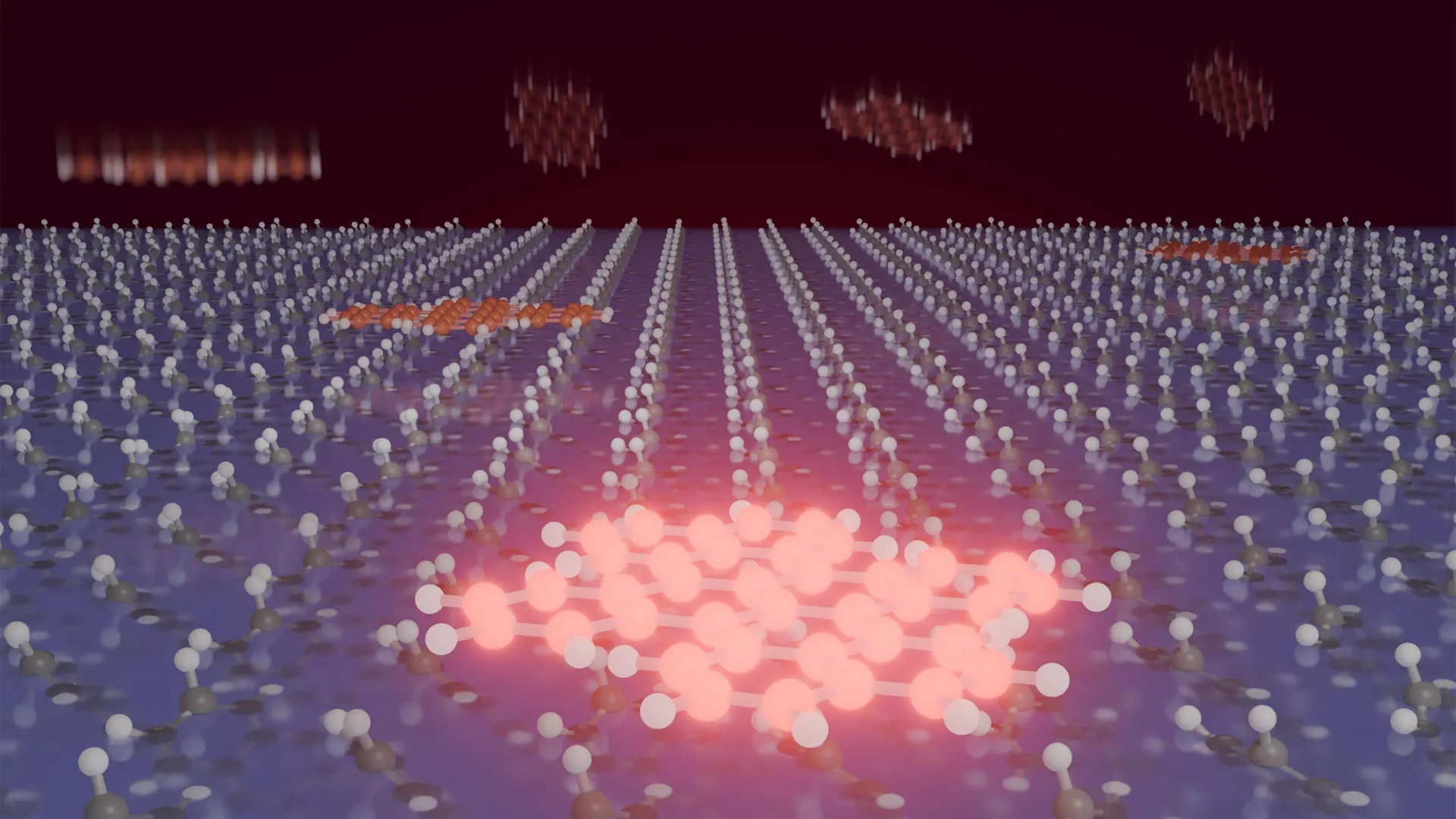 Scientists reach the ultimate quantum limit on a surface
Researchers at the Max Planck Institute have created an ultra‑clean crystal surface that lets single molecules reach the fundamental Fourier‑limited quantum coherence, opening new routes for molecular quantum technologies.
 A quantum pathway to entropy-free energy transfer
A new quantum protocol shows that energy can be transferred deterministically from fluctuating sources without accompanying entropy, opening routes to ultra‑efficient low‑power devices.
 Quantum probability can't be derived without assuming it first
Recent analysis shows that all major attempts to derive the Born rule rely on an additivity assumption, meaning quantum probability cannot be derived without presupposing a probability‑like principle.
 Guest Post: Why Tokenised Assets Need Quantum-Ready Security
Tokenised assets must adopt quantum‑ready security now to protect long‑term ownership and ensure seamless upgrades as quantum computers become viable.
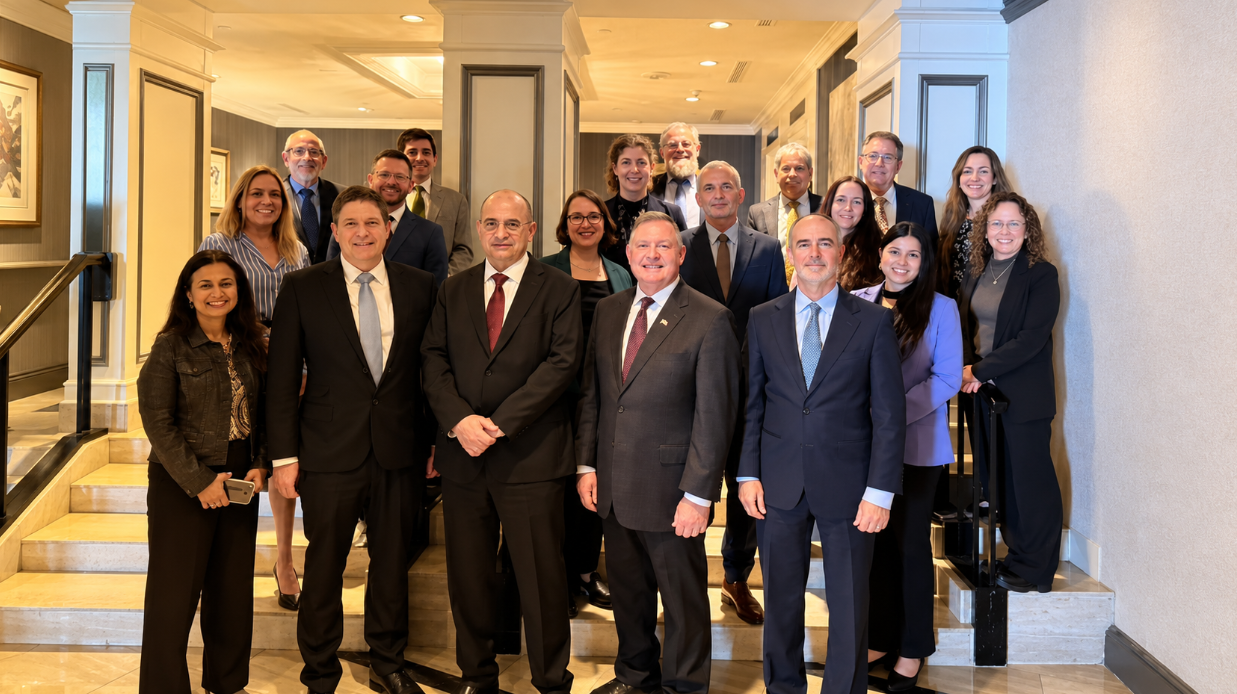 BIRD Foundation Approves $7.4 Million for Seven U.S.-Israel R&D Projects
The BIRD Foundation has approved $7.4 million in conditional grants for seven U.S.–Israel R&D collaborations spanning quantum computing, satellite communications, semiconductors, AI‑driven healthcare, precision agriculture, digital pathology, and medical 3D printing.
 NowSecure Finds No Detectable PQC Code in 97% of Mobile Apps
NowSecure’s analysis of 136,711 mobile apps shows that 97% lack detectable post‑quantum cryptography, highlighting a critical need for inventory, remediation, and testing as organizations prepare for quantum‑era threats.
 Arqit Invests in Sirius to Develop Quantum-Safe Defence Communications
Arqit’s strategic investment in Sirius fuels the joint development of Crux, a quantum‑safe communications platform aimed at defence and government users across NATO and allied nations.
Wednesday, October 21
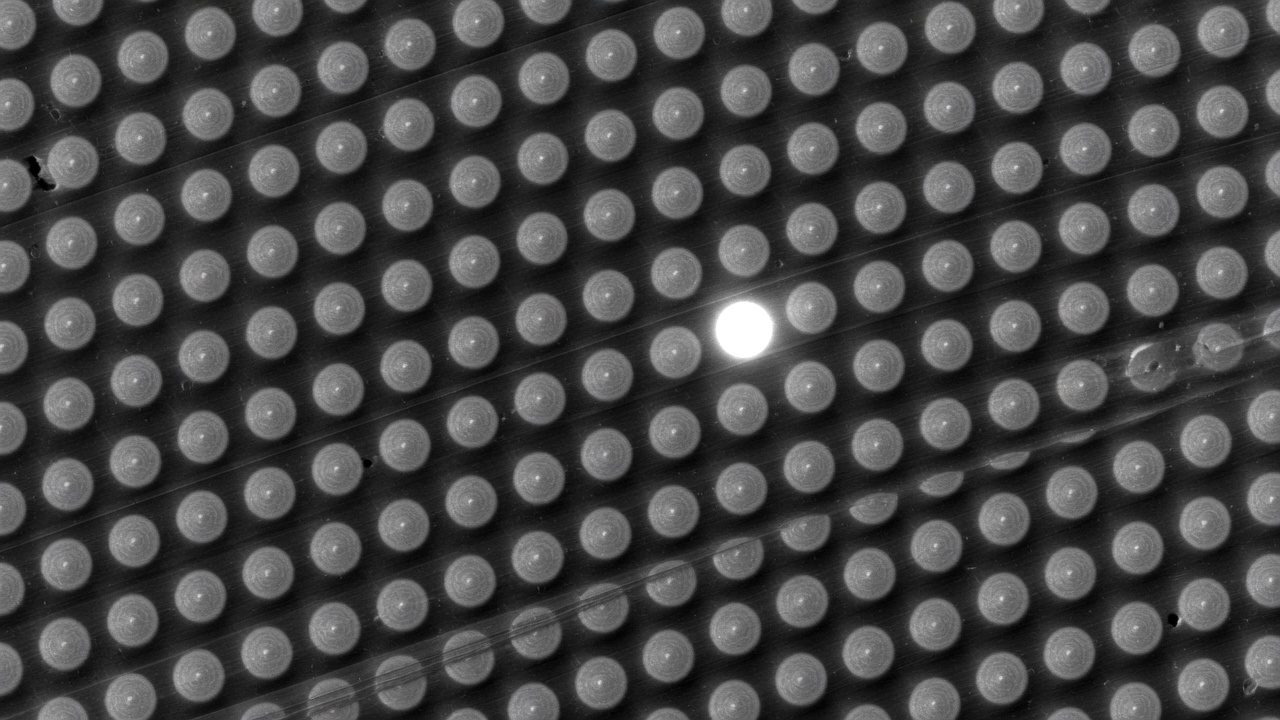 Zapata Quantum gets guidance on hardware-agnostic quantum apps
Zapata Quantum adds Peter Shor and other leading scientists to its advisory board to steer its hardware‑agnostic Quantum Pilot platform toward practical quantum applications.
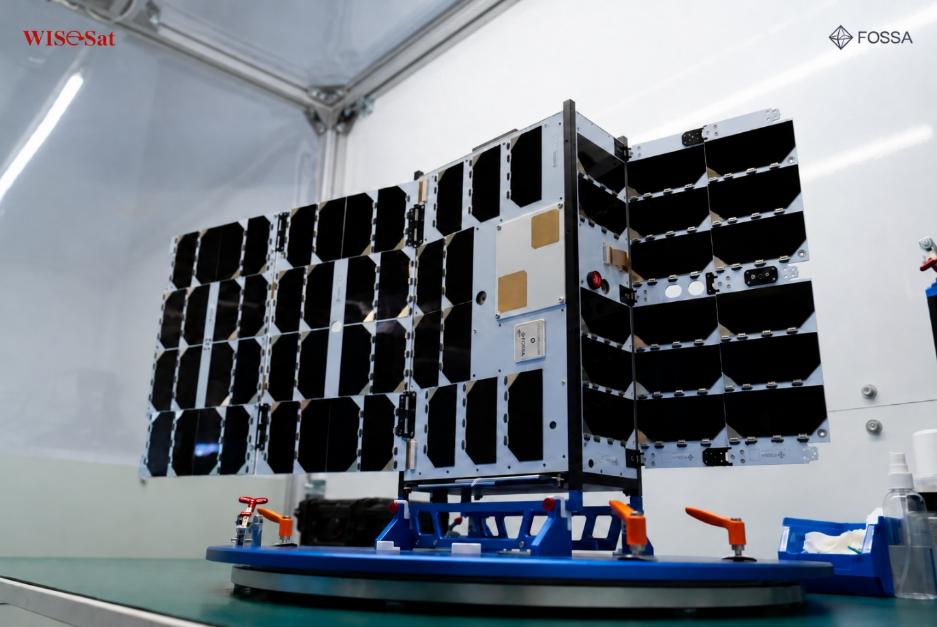 WISeSat tests quantum-resistant security on new satellite in orbit
WISeSat’s new 6U satellite, FOSSASAT‑2E27, demonstrates quantum‑resistant security hardware in orbit, marking a step toward systematic, real‑world validation of post‑quantum cryptography for space systems.
 Active isolation of transmon readout with a tunable inductive bridge
A chip‑scale tunable inductive bridge acts as an on‑chip microwave switch that isolates transmon readout, suppressing amplifier‑induced dephasing without harming qubit performance.
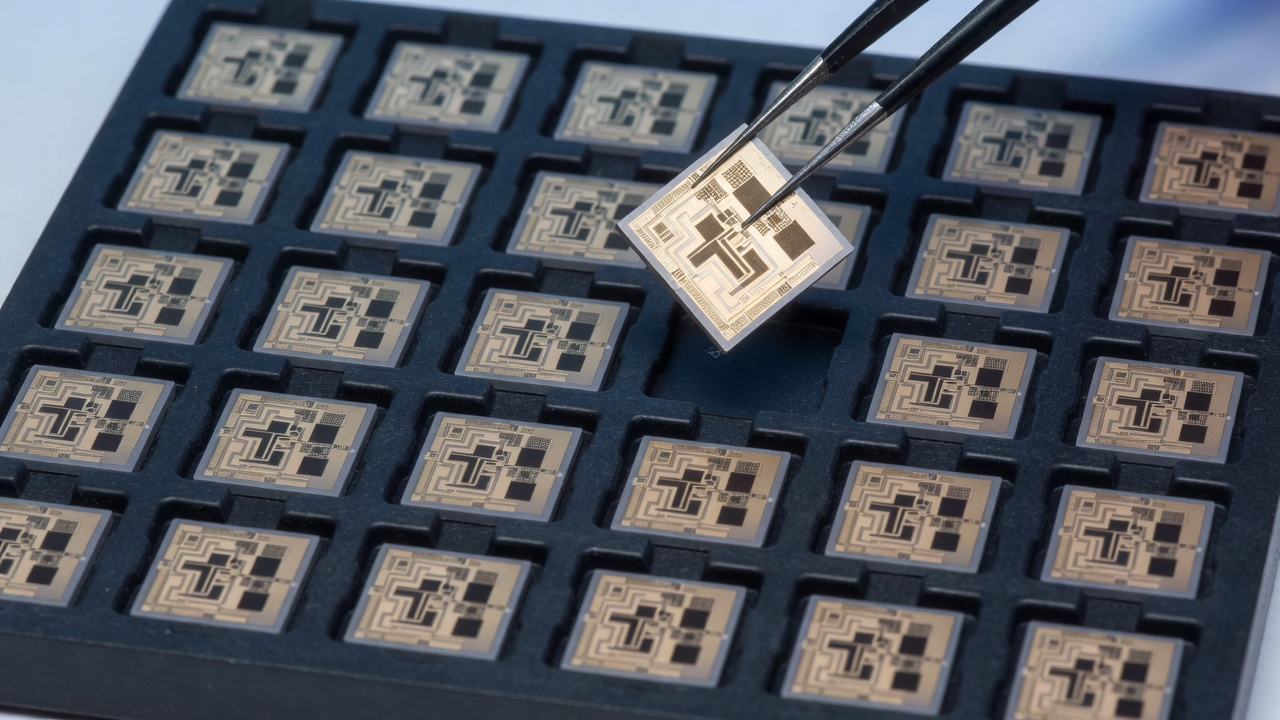 Hole spin qubits gain ground with in-plane control
In-plane magnetic-field tuning of germanium hole spin qubits yields a five‑fold coherence boost and 99.82% gate fidelity, advancing scalable quantum computing.
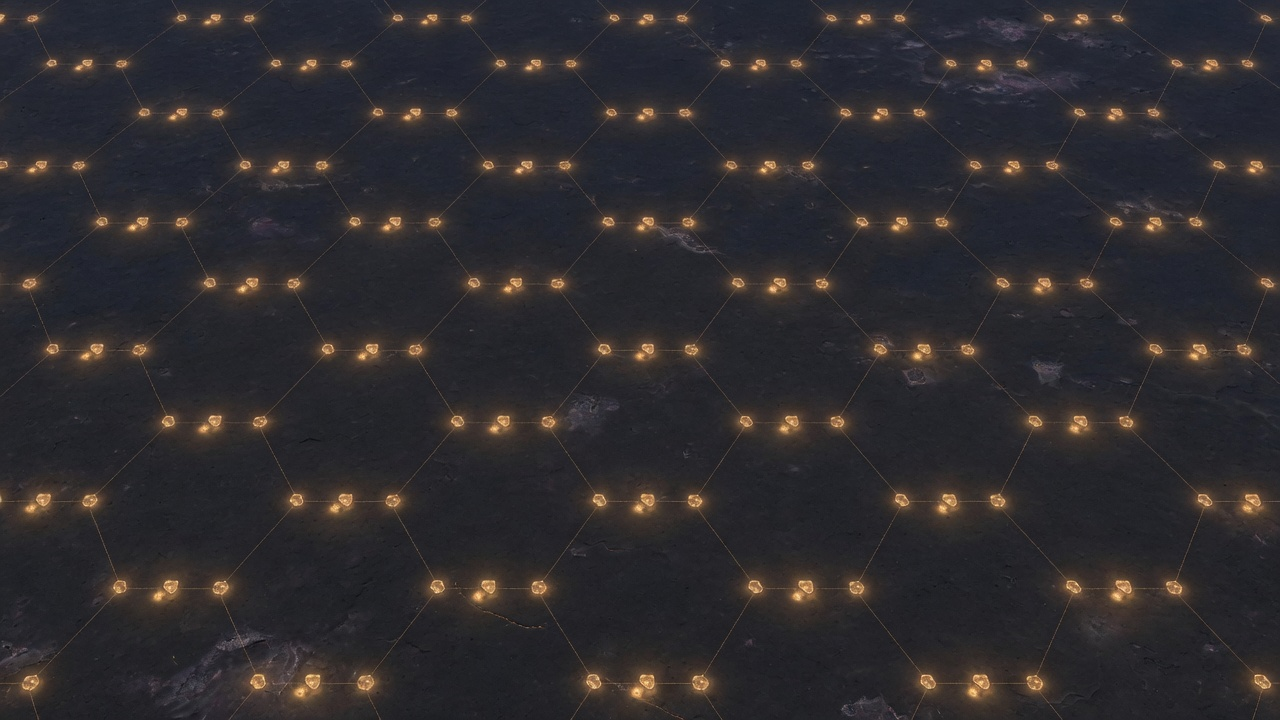 Simulations show gains with a hybrid quantum repeater chain
Simulations show that a hybrid quantum repeater combining SPDC photon sources, atomic‑frequency‑comb memories, and atom‑based processing units can markedly boost secret‑key rates in linear repeater chains.
 Postquant Labs launches a virtual machine for any quantum chip
Postquant Labs’ new Quip Virtual Machine offers a hardware‑agnostic, gas‑priced environment that unifies quantum and classical execution, lowering barriers for developers and businesses.
 Atomic memory keeps distant ions entangled for about 10 seconds
Oxford researchers demonstrated a two‑node trapped‑ion quantum network where entanglement was stored in calcium‑ion memory qubits for over 10 seconds.
 Alice & Bob Reports Phase 1 Results of France’s PROQCIMA Quantum Program
Alice & Bob’s Phase 1 report shows three cat‑qubit demonstrators achieving key error‑correction milestones as France’s PROQCIMA program ramps up toward 1,000 logical qubits by 2032.
 Pasqal Launches Neutral-Atom Agentic Toolkit and Demonstrates QPU Workflows Across 258 Quantum Physics Papers
Pasqal unveiled an open‑source Neutral‑Atom Agentic Toolkit that automates the translation of scientific literature into runnable experiments on its QPUs, and showed that nearly half of a 633‑paper arXiv corpus can be executed today.
 Postquant Labs Launches Quip Virtual Machine to Unify Quantum Execution Across Hardware Architectures
Postquant Labs’ new Quip Virtual Machine offers a cross‑hardware, gas‑priced runtime for quantum smart contracts, aiming to standardize quantum execution on annealers, gate‑based QPUs and classical solvers.
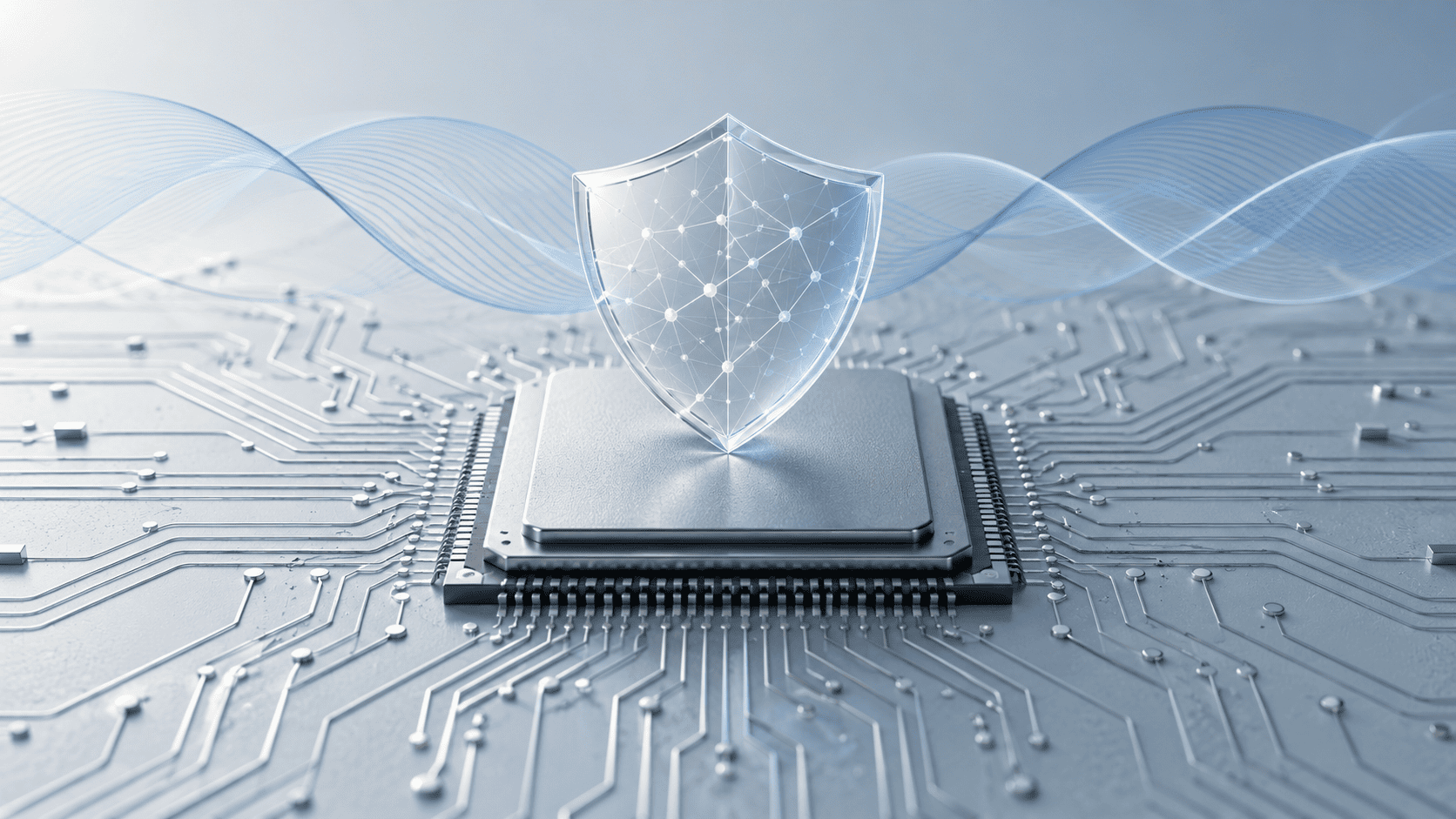 Study: AI Could Speed Quantum Threats — And Help Build Defenses
AI can both accelerate quantum attacks on current encryption and help organizations inventory and replace vulnerable cryptography before quantum computers become practical.
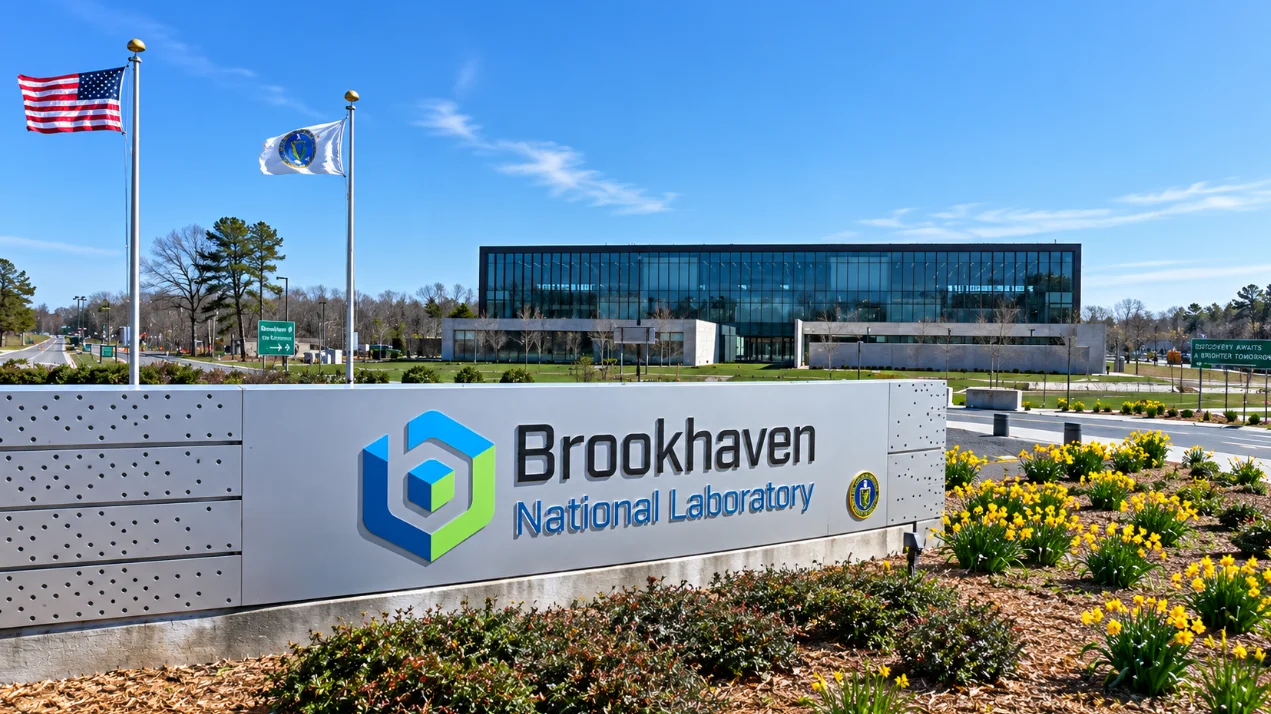 URI Students Teach Quantum Computing at Brookhaven National Laboratory
University of Rhode Island students are serving as teaching assistants for Brookhaven National Laboratory’s Quantum Information Science 101 course, deepening academic‑lab ties and expanding quantum computing education.
 South Korea Expands Quantum Communications Testbeds Through 2028
South Korea will expand its quantum communications testbeds into three specialized hubs—commercial, overseas, and future—through 2028, backed by a 7.4 billion‑won public‑private investment.
 Physicists trap and tame single particle of antimatter for months
Northwestern physicists have trapped a single positron for months in a quantum cyclotron, enabling ultra‑precise tests of matter‑antimatter symmetry.
 qBraid Announces qBraid OS For Operating Quantum Computing Services
qBraid launches qBraid OS, a unified platform that lets quantum hardware providers manage access, scheduling, billing and integration with NVIDIA GPUs for on‑premise or cloud quantum services.
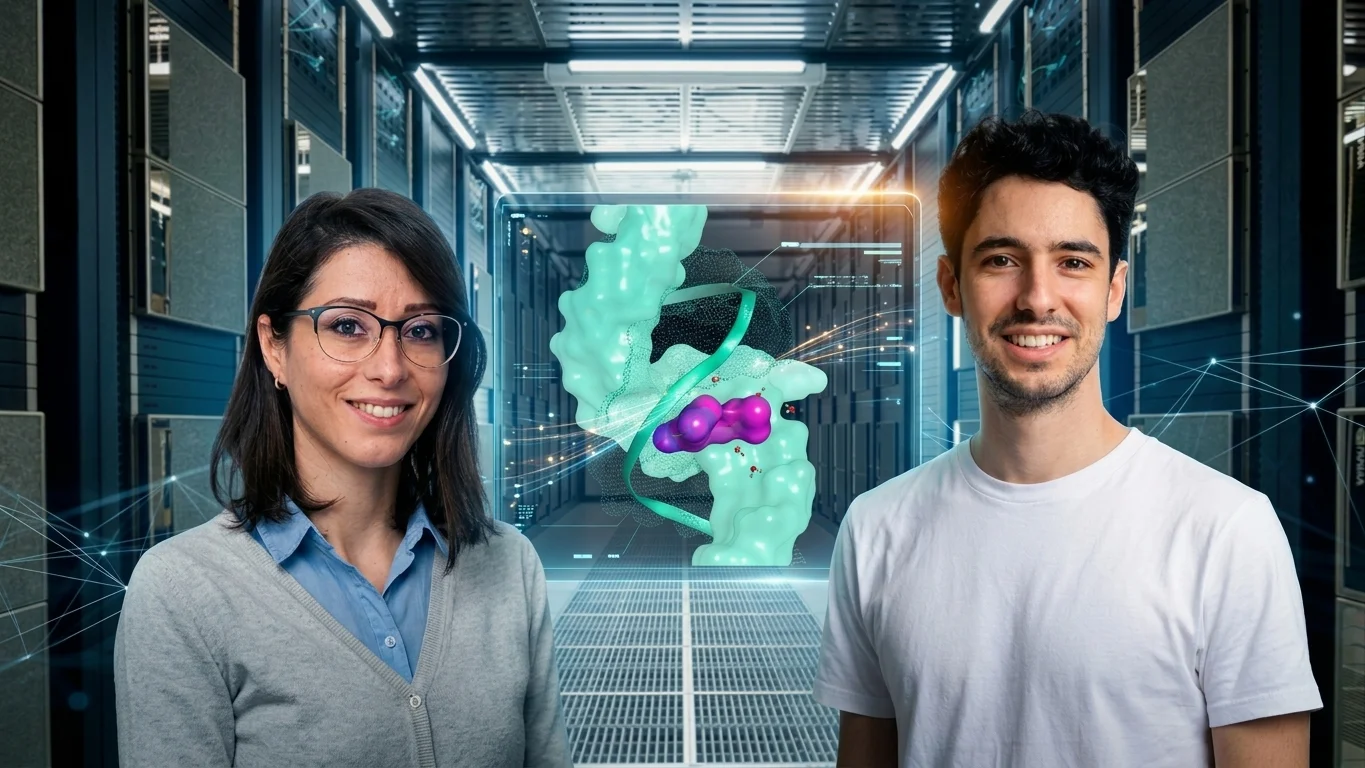 Before the Qubit
Hybrid infrastructure that links quantum processors with existing IT is the practical path for enterprises to become quantum‑ready today.
 GOTT Funds NPL Project to Scale Trapped-Ion Quantum Technology
The National Physical Laboratory has received GOTT funding to develop batch packaging for trapped‑ion quantum chips, aiming to lift manufacturing bottlenecks and enable scalable quantum computers.
 Plurilock Sets Vote on Quantum eMotion Acquisition
Pluriflock shareholders will vote on Nov 18 to approve Quantum eMotion’s offer of cash and stock, aiming to merge quantum‑based security tech with Plurilock’s cyber‑operations.
 Bechtle and IQM Awarded DLR QCI Contract to Supply Superconducting Cloud Resources
Bechtle and IQM have secured a multi‑year DLR Quantum Computing Initiative contract to deliver European‑based superconducting quantum‑cloud services and hybrid HPC infrastructure for German aerospace research.
 Quantum algorithm cuts memory needed for future event predictions
A new quantum algorithm reduces the memory needed for accurate future‑event probability predictions while preserving quadratic speed‑up, offering a practical advantage over classical methods.
Thursday, October 22
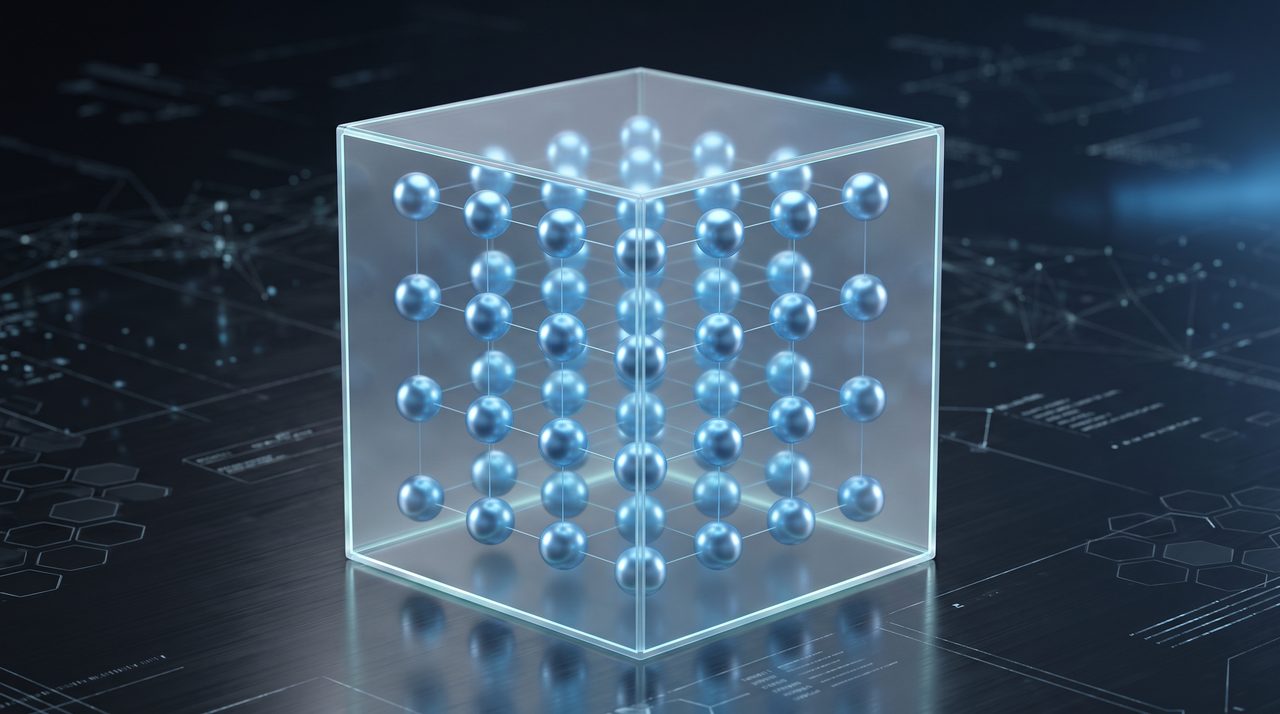 A new way to map quantum codes reveals how errors are corrected
A new mapping links quasiprobability phase‑space tools to quantum error‑correcting codes, showing only GKP and qudit stabiliser families admit code‑adapted representations.
 University of Basel, KFUPM Detail Spin Kerr-cat Qubits
A new qubit encoding using antimony‑123 nuclear spins in silicon could push coherence times to ~100 seconds and enable 99 %‑fidelity two‑qubit gates via quadrupolar‑enhanced Kerr‑cat states.
 Bias-Preserving Entanglement of Kerr-Cat Qubits with an ATS Coupler
An asymmetrically threaded SQUID coupler enables fast, bias‑preserving entangling gates for Kerr‑cat qubits, achieving >99.6% fidelity and a noise bias near 10⁴.
 NVIDIA’s CUDA-Q platform joins SUSE’s AI Factory
SUSE and Fujitsu are bundling NVIDIA’s CUDA‑Q with their AI Factory to deliver a production‑ready hybrid quantum‑classical stack for enterprise data centers.
 UK and Singapore Discuss Quantum Security and Post-Quantum Cryptography
The UK and Singapore used their 11th Financial Dialogue to align on quantum security, sharing post‑quantum cryptography guidance and lessons from Singapore’s QKD sandbox while deepening broader digital‑finance cooperation.
 Palm Beach Colleges Connect as Florida Launches Quantum-Safe Network
Florida’s first quantum‑safe network segment links Palm Beach State College and Florida Atlantic University via IonQ QKD over dark fiber, marking a statewide push for post‑quantum security.
 A digital link speeds up quantum error correction, SEEQC shows
SEEQC’s new Digital Link, paired with NVIDIA’s NVQLink and Ising decoder, cuts quantum error‑correction latency and logical error rates by about half, highlighting the importance of tight quantum‑classical integration.
 Quantinuum and Oracle Advance Hybrid Quantum-AI Computing with Early Access to Helios
Quantinuum and Oracle’s partnership now offers early‑access, cloud‑based hybrid quantum‑AI computing through Oracle’s OCI Quantum AI Compute Beta, letting enterprises experiment with Helios alongside AI and HPC resources.
 Lost Schrödinger manuscript reveals his true view of quantum randomness
A newly transcribed Schrödinger manuscript shows he built a hidden‑variable model to demonstrate that deterministic explanations of quantum randomness could not be dismissed, though he did not endorse determinism.
 Gix Internet Reports Quantum X Labs Milestones with NVIDIA, IBM
Quantum X Labs’ new error‑correction decoder on NVIDIA CUDA‑Q and its LayerQake security tech on IBM processors cut logical errors and measurement bias, marking notable progress for quantum reliability and cybersecurity.
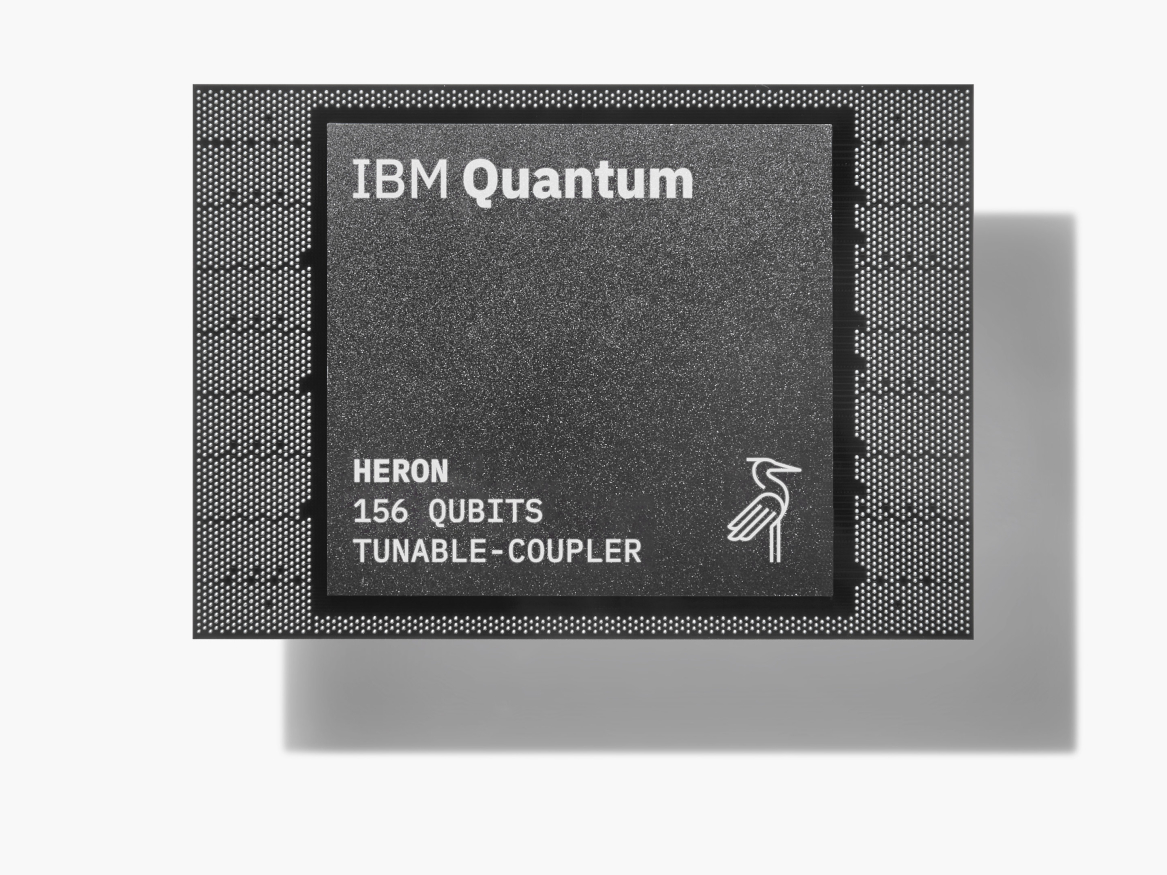 IBM and Rutgers Control Quantum Chaos Across 100 Qubits on Heron Processor
IBM and Rutgers scientists used real‑time feedback on a 100‑qubit segment of IBM’s 156‑qubit Heron processor to demonstrate a controllable transition from chaotic to ordered quantum dynamics.
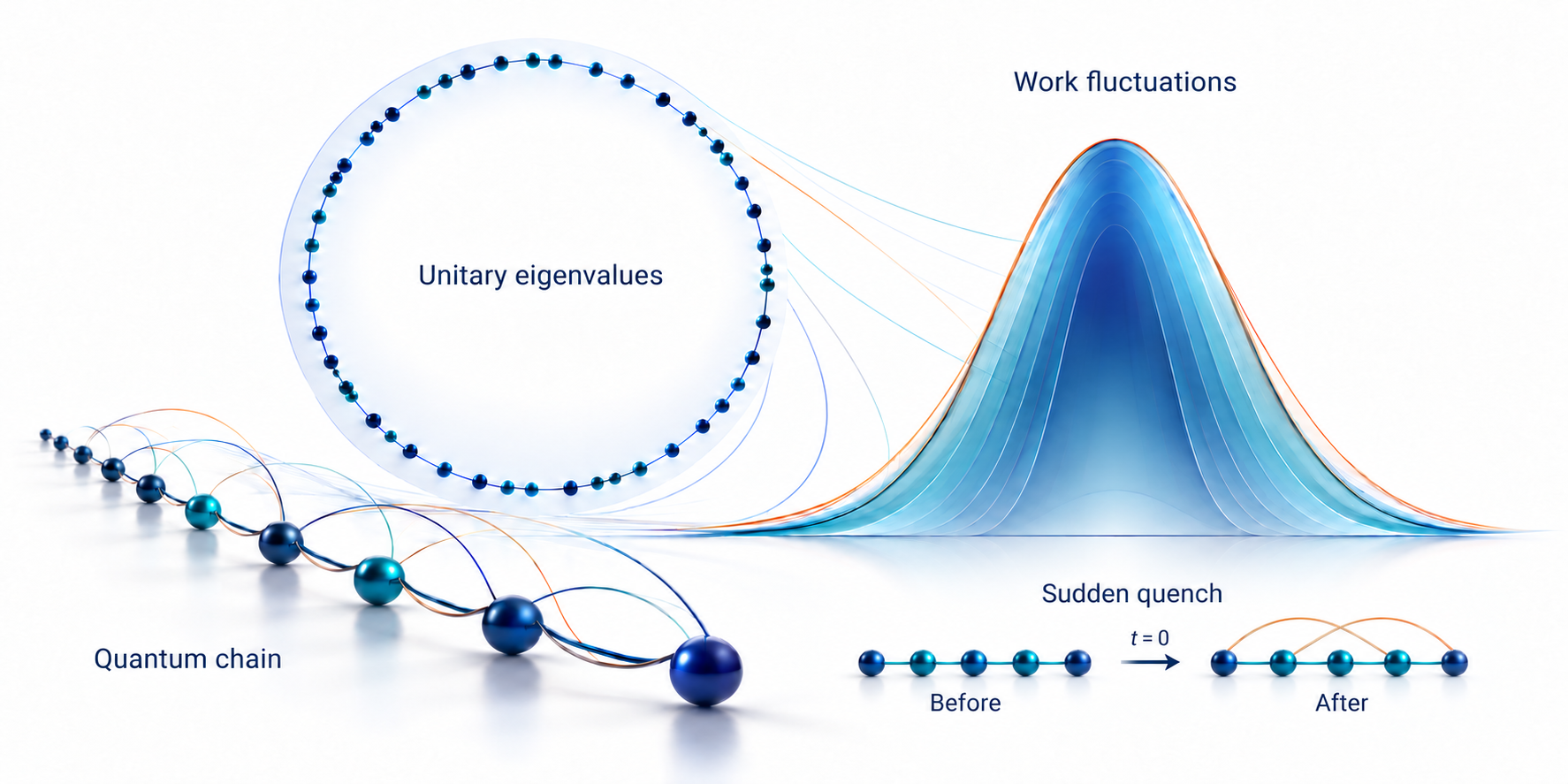 Work statistics of sudden quantum quenches: A random matrix theory perspective on Gaussianity and its deviations
Sudden quantum quenches in translationally invariant fermionic chains map work statistics to weighted sums of random unitary matrix traces, yielding Gaussian distributions under broad conditions and pinpointing when non‑Gaussian tails emerge.
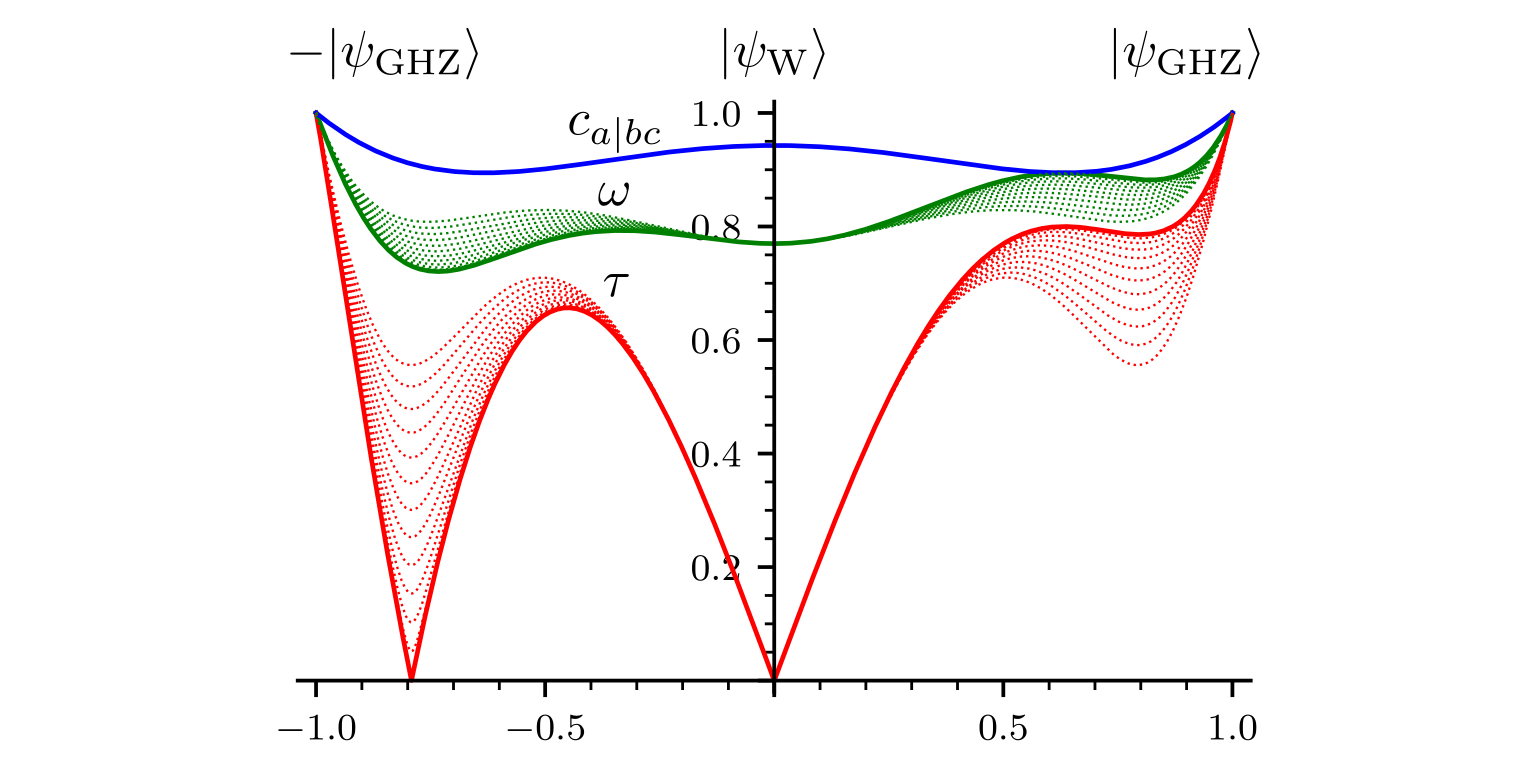 The three kinds of three-qubit entanglement
Three-qubit pure states admit three ordered polynomial entanglement measures—bipartite concurrence, a new W‑entanglement polynomial, and the three‑tangle for GHZ‑type entanglement—providing a unified hierarchy of multipartite correlations.
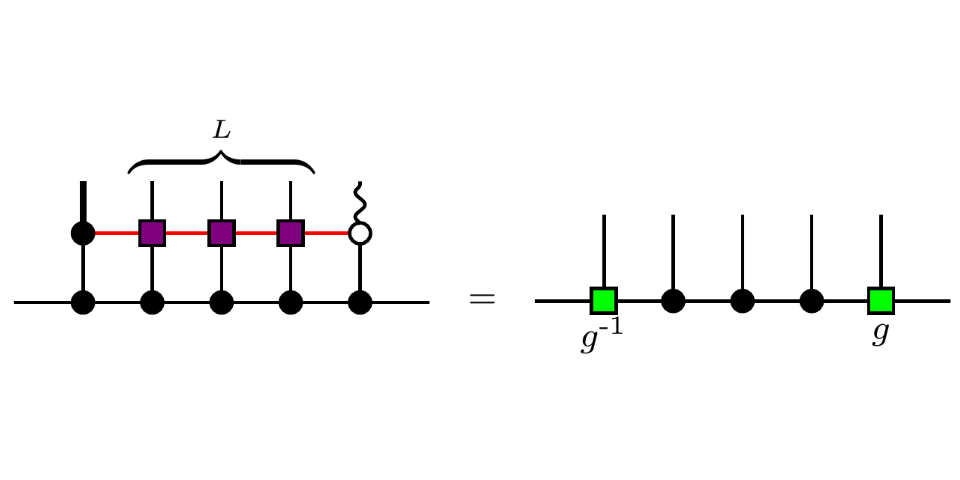 Symmetry defects and gauging for quantum states with matrix product unitary symmetries
The paper develops a framework for defining, manipulating, and gauging symmetry defects associated with matrix product unitary (MPU) symmetries in one‑dimensional quantum states.
 Failure of the mean-field Hartree approximation for a bosonic many-body system with non-Hermitian Hamiltonian
The paper demonstrates that the mean‑field Hartree approximation can fail for bosonic many‑body systems with non‑Hermitian Hamiltonians, showing mismatches in dynamics and highlighting the need for stricter validity conditions.
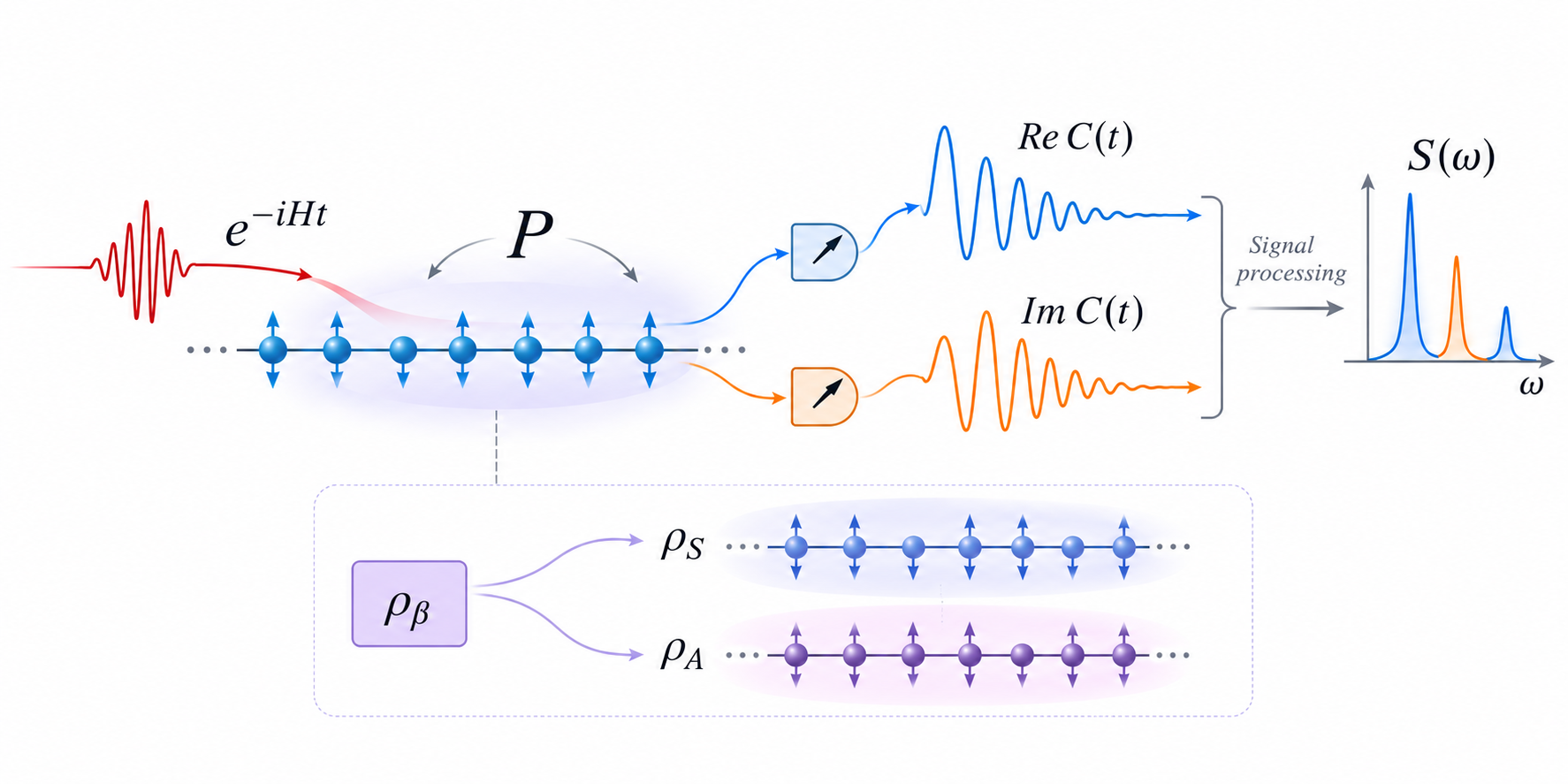 A Symmetry-Enabled Direct Quantum Protocol for Many-Body Green’s Functions
A parity‑symmetry‑based quantum protocol enables direct measurement of many‑body Green’s functions and related correlators using only native time evolution and simple measurements.
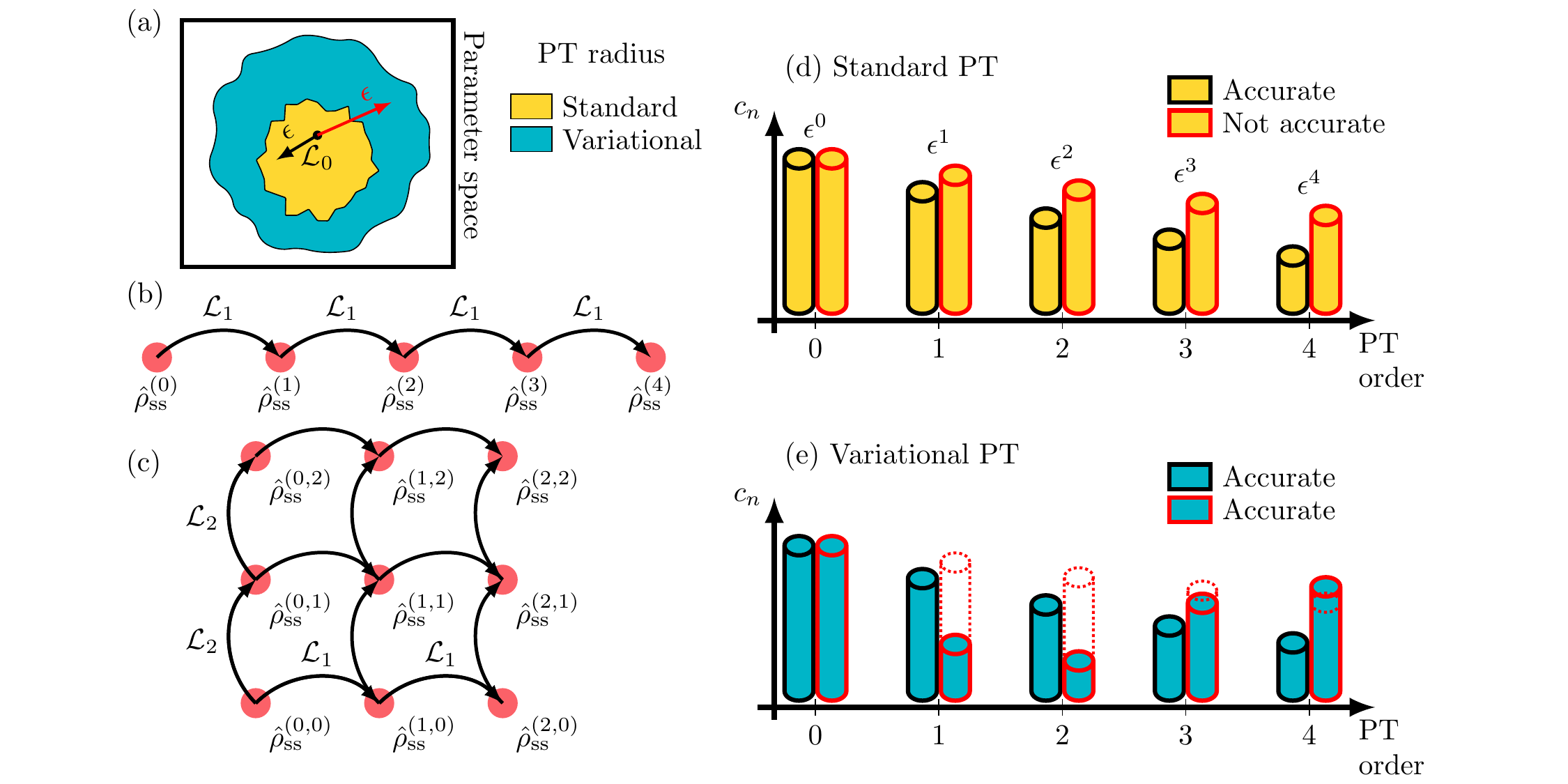 Variational Perturbation Theory in Open Quantum Systems for Efficient Steady State Computation
Variational perturbation theory and clever numerical tricks let researchers compute steady states of open quantum systems across many parameters without costly pseudo‑inverses.
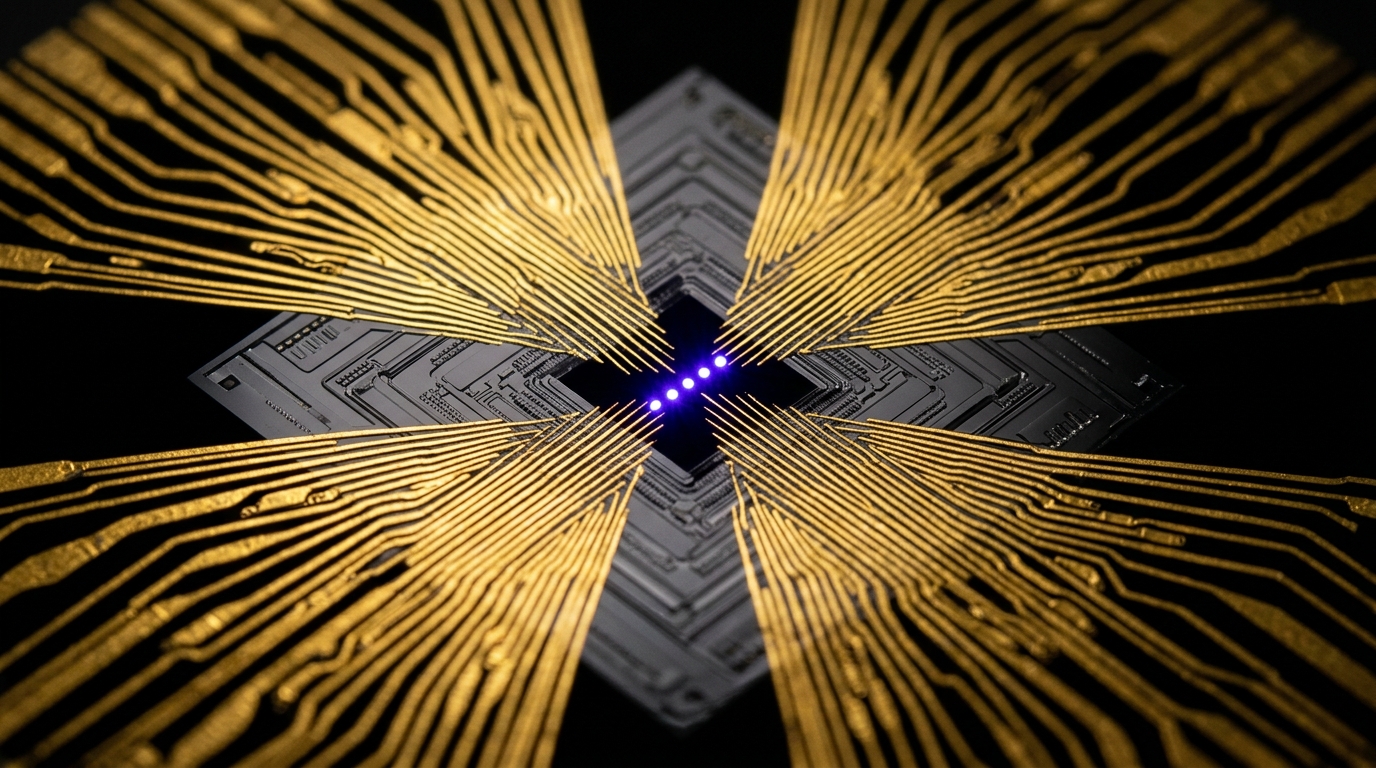 Qblox Advances Hybrid Quantum Computing with NVIDIA Integration
Qblox’s integration of NVIDIA GPUs achieves sub‑4 µs round‑trip latency, enabling real‑time hybrid quantum‑classical computing and faster error correction.
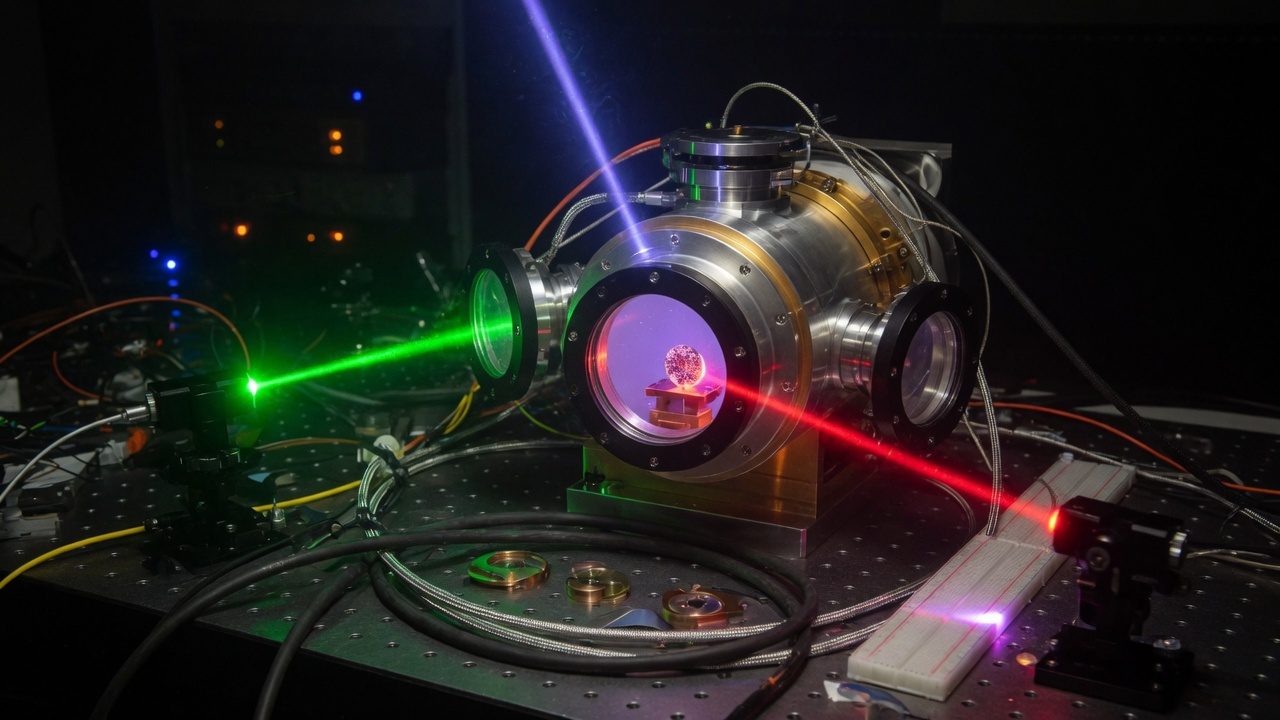 Multi-mode beams offer a new way to test quantum operations
Compound multi‑mode beams let researchers directly compare photon‑addition and photon‑subtraction operations, revealing beam‑type‑dependent pathways to generate nonclassical light for quantum technologies.
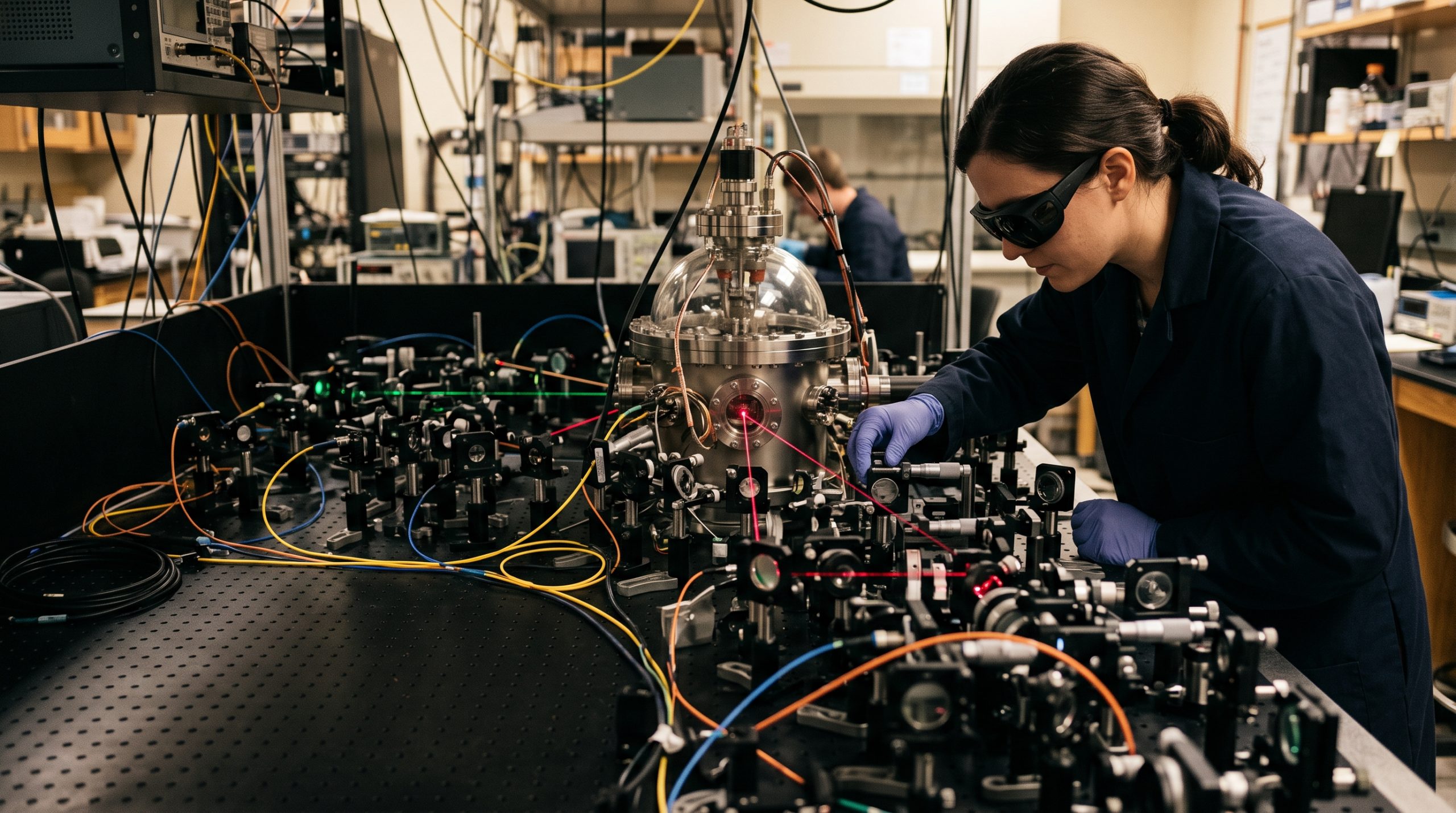 NVIDIA, Aegiq & BAE Systems test quantum boost to engineering workflows
NVIDIA, Aegiq and BAE Systems have built a hybrid quantum‑classical workflow that scales aerodynamic simulations to billions of points, showcasing a practical path toward quantum advantage in engineering.
Friday, October 23
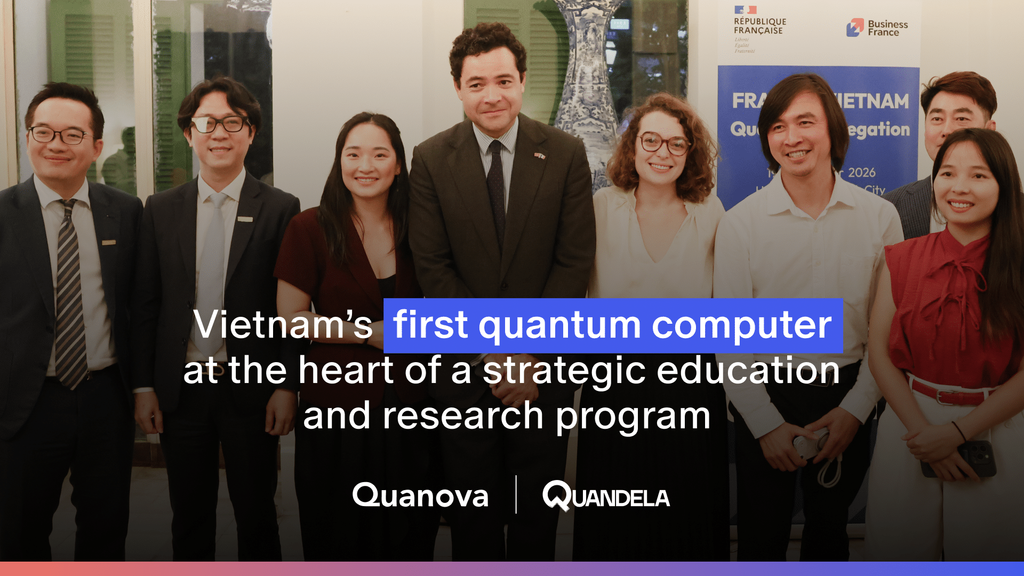 Quandela and Quanova Partner to Deploy Vietnam’s First Quantum Computer at Quang Trung University
Quandela and Quanova are installing Vietnam’s first photonic quantum computer at Quang Trung University, launching a comprehensive quantum research and education program backed by Nam A Bank.
 Quantinuum and Oracle Launch OCI Quantum AI Compute Beta Program for Early Access to Helios
Quantinuum and Oracle’s new OCI Quantum AI Compute Beta lets early users run hybrid quantum‑AI workloads on the Helios trapped‑ion processor via a browser‑based Python environment.
 Quantum system’s evolution defies standard approximation
A recent analytical study shows that the Hartree mean‑field approximation breaks down for bosonic systems with non‑Hermitian Hamiltonians, even in the thermodynamic limit, urging caution in its use for quantum algorithms.
 IQM and NVIDIA Automate 20-Qubit Chip Calibration via NVIDIA Ising Vision-Language Models and QCalEval Benchmark
IQM and NVIDIA used specialized Ising vision‑language models to automate calibration of a 20‑qubit superconducting processor, demonstrating a benchmarked, auditable workflow for scaling quantum hardware.
 NVIDIA Takes Strategic Stake in Riverlane to Accelerate Real-Time Quantum Error Correction and GPU Decoder Calibration
NVIDIA’s minority stake in Riverlane fuels a GPU‑accelerated workflow that shrinks quantum error‑correction calibration from minutes to seconds, paving the way for real‑time decoder updates in fault‑tolerant quantum computers.
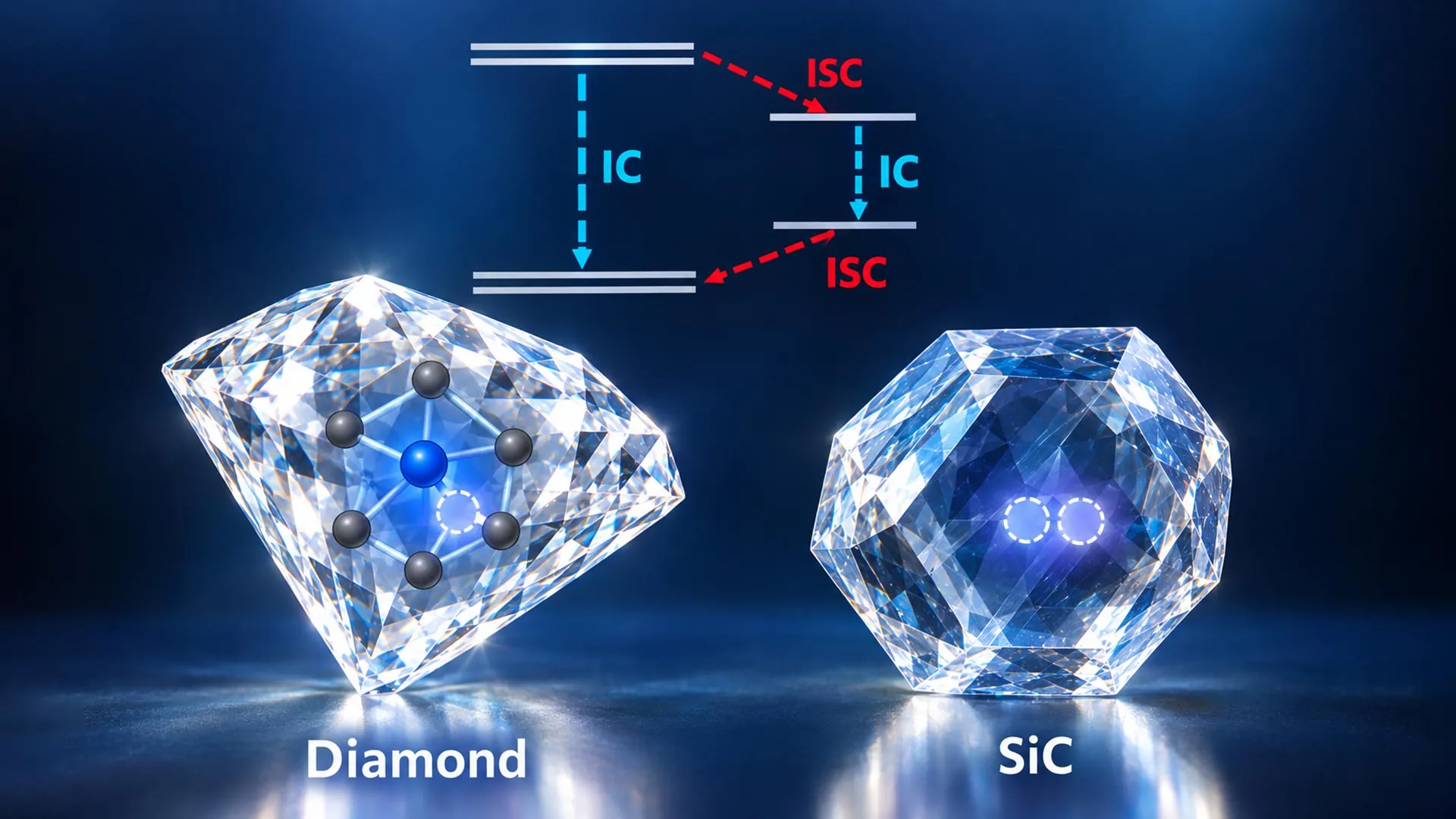 A tiny defect in a crystal reveals a big quantum surprise
A new computational framework reveals that internal conversion, an overlooked energy‑loss pathway, dominates the excited‑state dynamics of silicon‑carbide spin defects, reshaping predictions for quantum technologies.
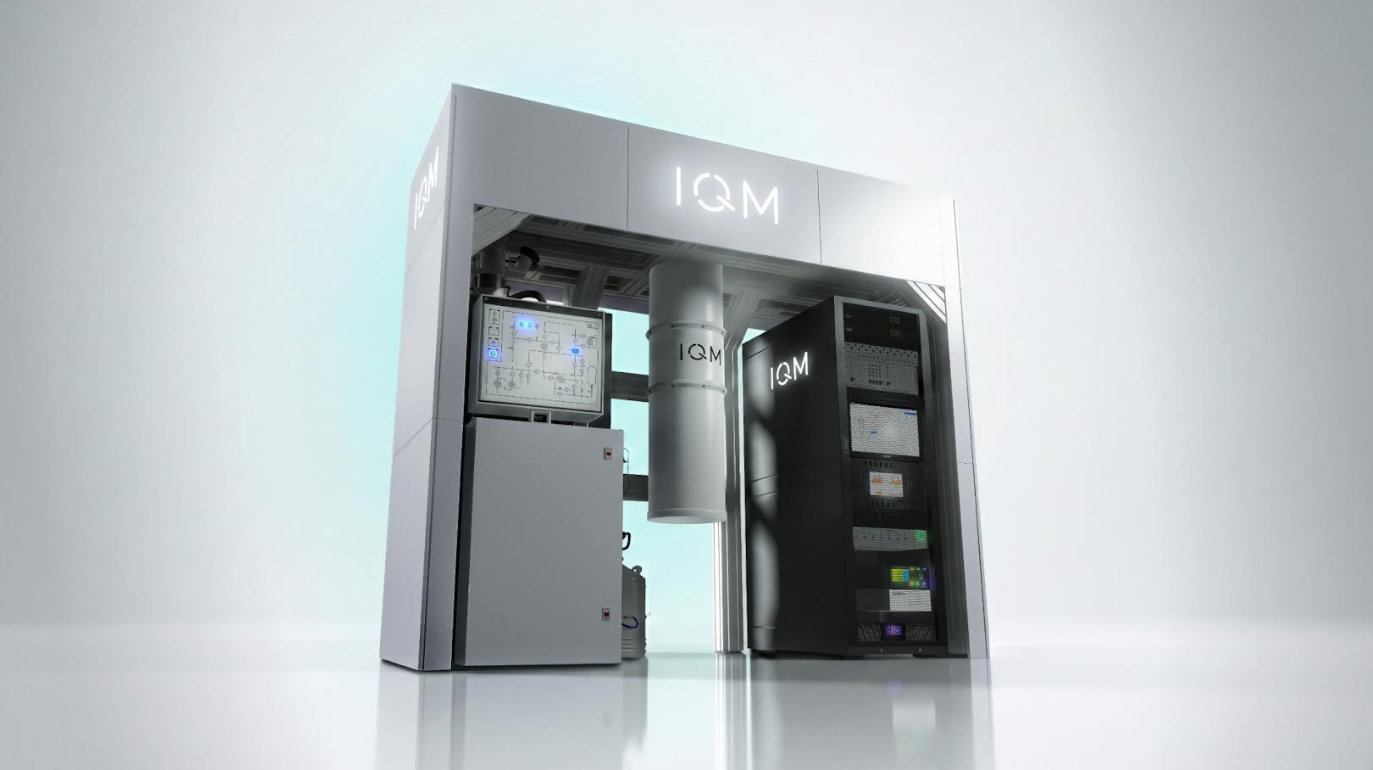 IQM and Telefónica Plan Quantum Computer for Madrid University
Telefónica and IQM will install the IQM Spark quantum computer at the Technical University of Madrid by the end of 2026, creating a regional hub for research, education, and early‑stage quantum development.
 Guest Post: Quantum Computing’s Next Phase May Be Driven by Compounding Breakthroughs
Quantum computing is entering a phase of accelerating, compounding breakthroughs driven by fault‑tolerant hardware, AI convergence, and evolving business models, with China poised to play a central role.
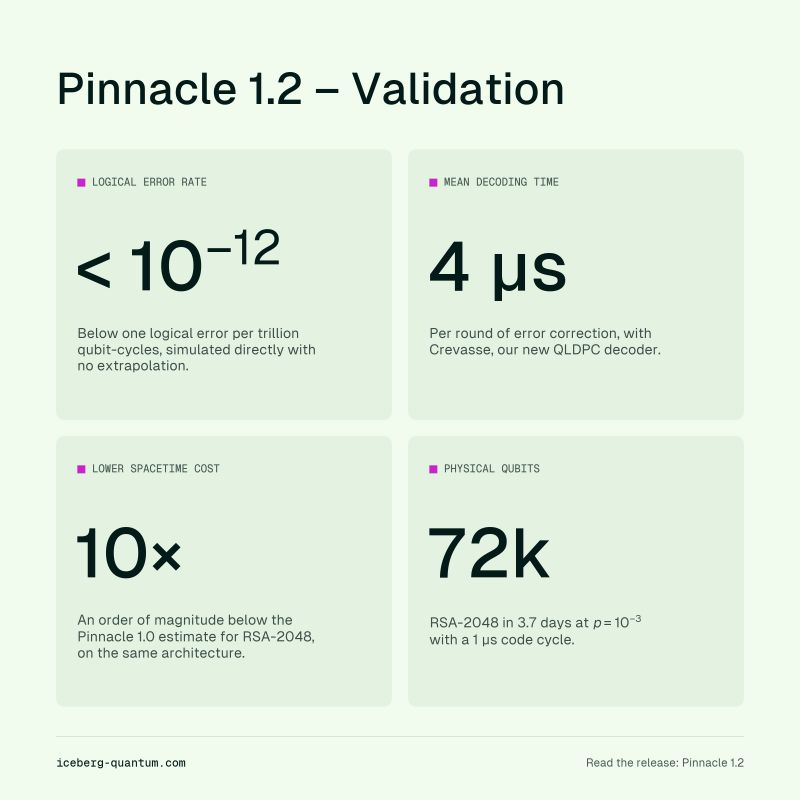 Iceberg Quantum Validates Pinnacle 1.2 Architecture with Crevasse QLDPC Decoder to Reduce RSA-2048 Factoring Resources
Iceberg Quantum’s Pinnacle 1.2 architecture, powered by the Crevasse QLDPC decoder, cuts the physical‑qubit count and runtime needed to factor RSA‑2048, bringing practical quantum attacks closer to reality.
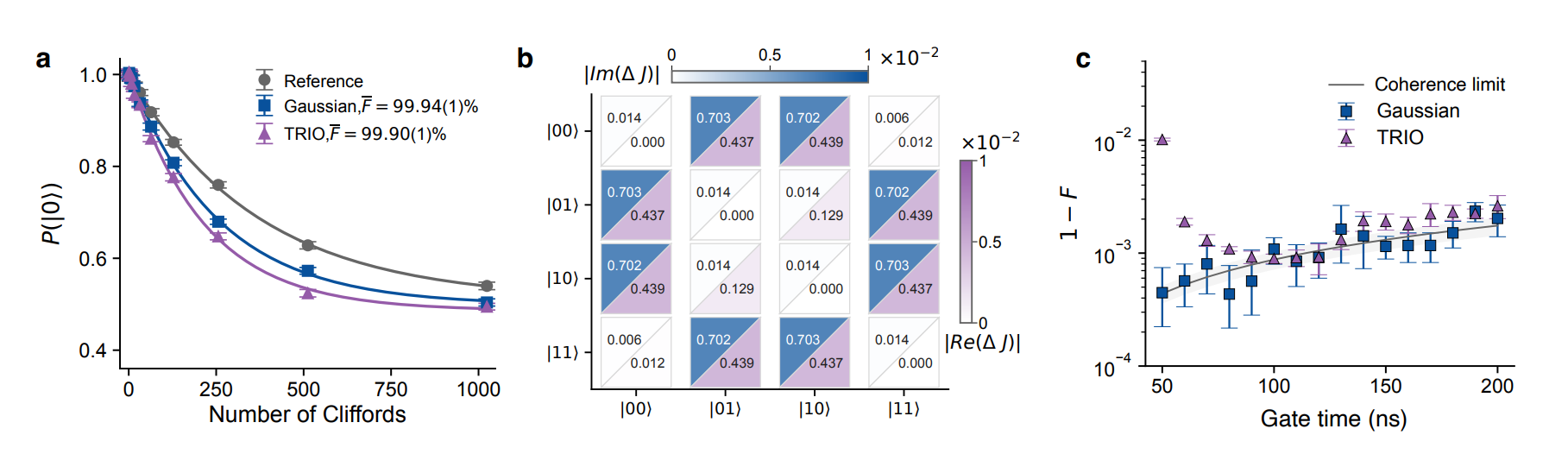 Chalmers University Demonstrates TRIO Pulses for Control-Error-Robust Single-Qubit Gates in Superconducting Processors
Chalmers researchers have shown that TRIO pulses enable single‑qubit gates on superconducting transmons to stay above 99.5% fidelity despite 20% amplitude errors and 4 MHz detuning, outperforming conventional DRAG pulses.
 Experiment shows when quantum 'cat' states stop bouncing back
Expanding the artificial environment from one to eight qubits progressively suppresses the revival of interference in a microwave cat state, showing a transition toward irreversible decoherence.
 Floquet-ADAPT-VQE: A Quantum Algorithm to Simulate Non-Equilibrium Physics in Periodically Driven Systems
Floquet‑ADAPT‑VQE adapts variational quantum algorithms to efficiently simulate quasienergies and Floquet states of periodically driven many‑body systems.
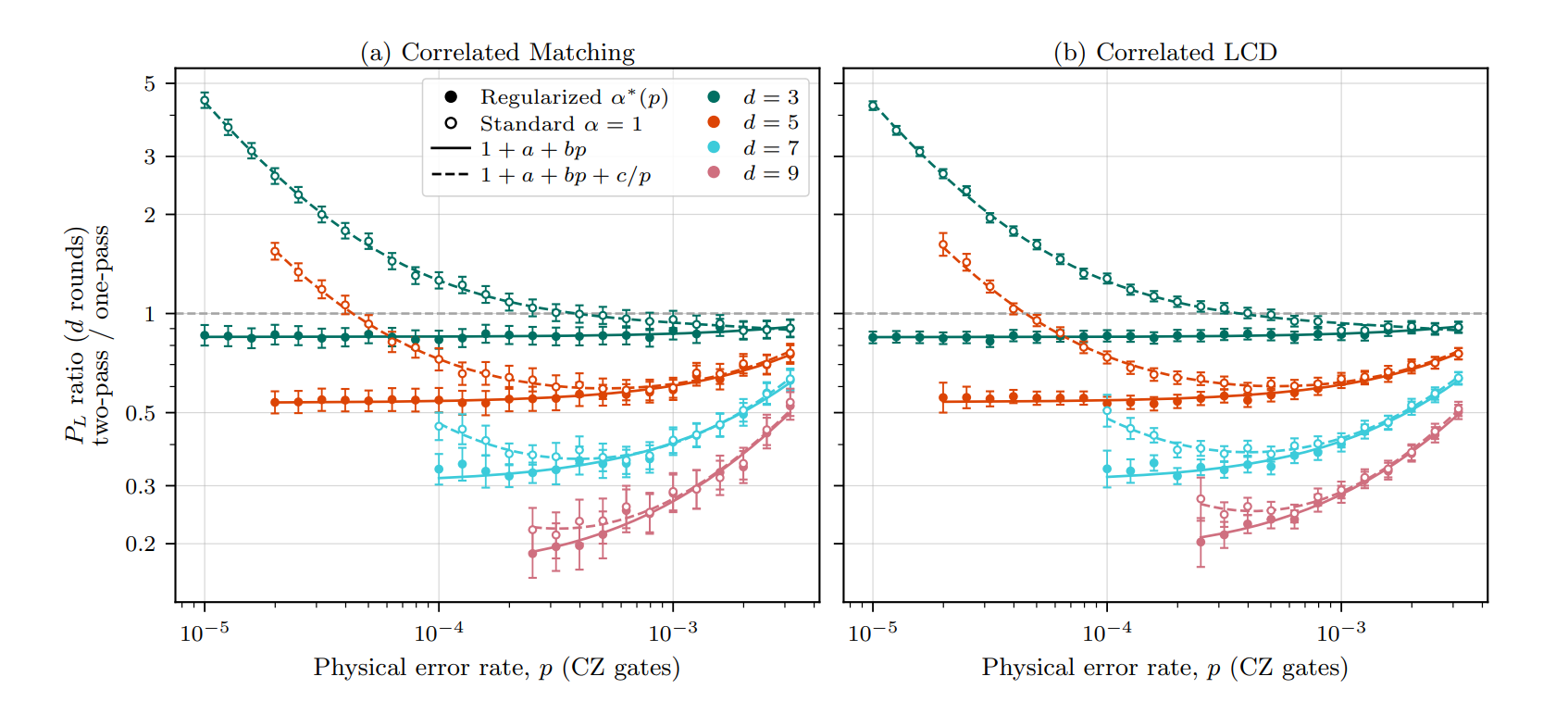 Leiden University and Riverlane Research Reveals Distance-Losing Flaw in Correlated Decoding Below Threshold
Leiden University and Riverlane discovered that standard two‑pass correlated decoders lose one unit of surface‑code distance below the error‑threshold, but a simple error‑rate‑dependent regularization restores the expected scaling without extra runtime cost.
 Qiskit SDK v2.6 streamlines quantum circuit serialization
Qiskit SDK v2.6 adds a C‑API‑driven pass‑manager and QPY v18 serialization, letting developers build, optimise and exchange quantum circuits without Python.
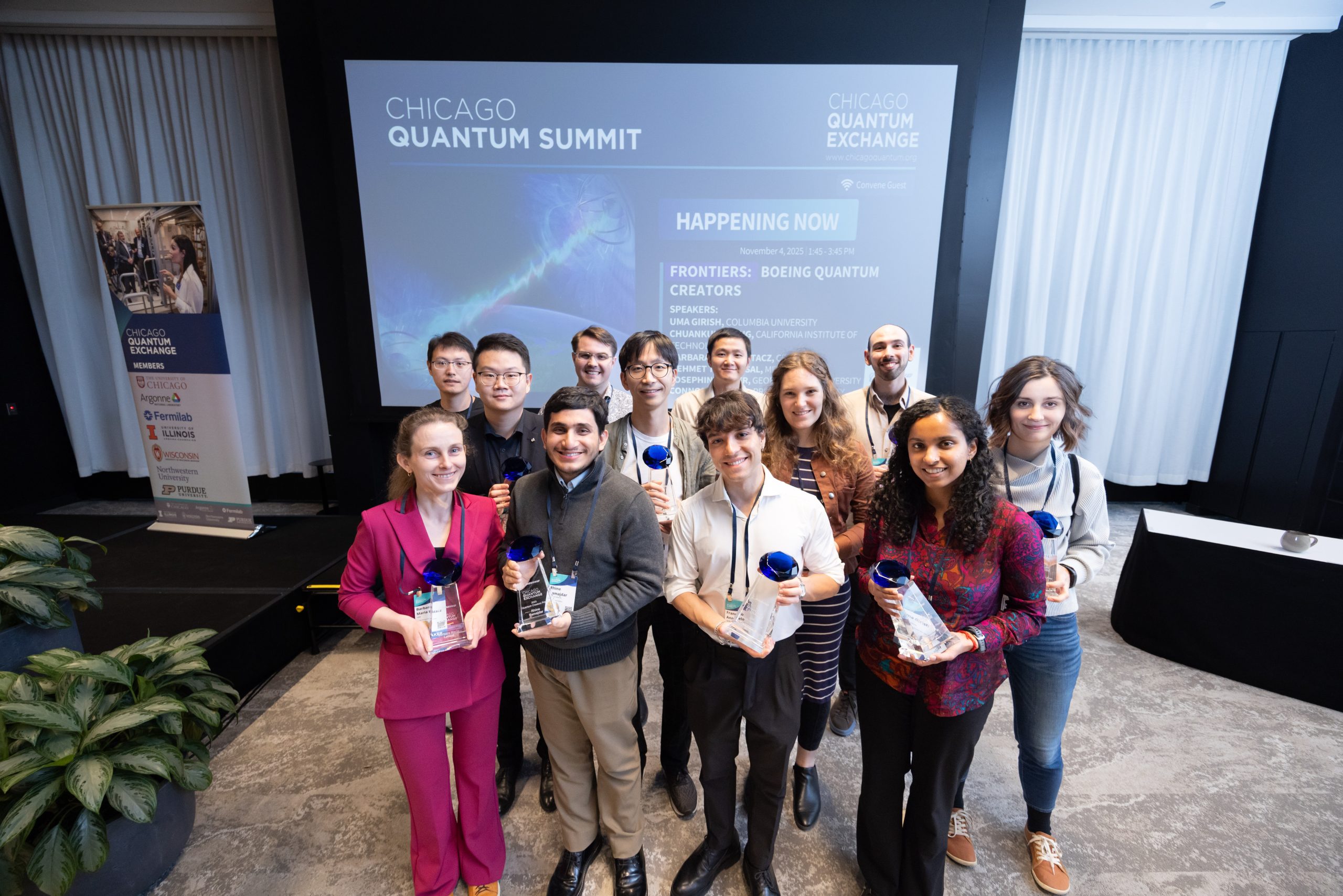 $3,500 Prizes Awarded to Early-Career Quantum Scientists
The 2026 Boeing Quantum Creators Prize awards twelve early‑career researchers $3,500 each, spotlighting innovative work that bridges quantum science with diverse fields.
 Google Launches $150,000 AI Competition to Reduce Quantum Computing Demands
Google’s $150,000 Kaggle competition challenges AI developers to shrink quantum circuits for fusion, optimization and chemistry tasks, aiming to lower hardware demands for practical quantum computing.
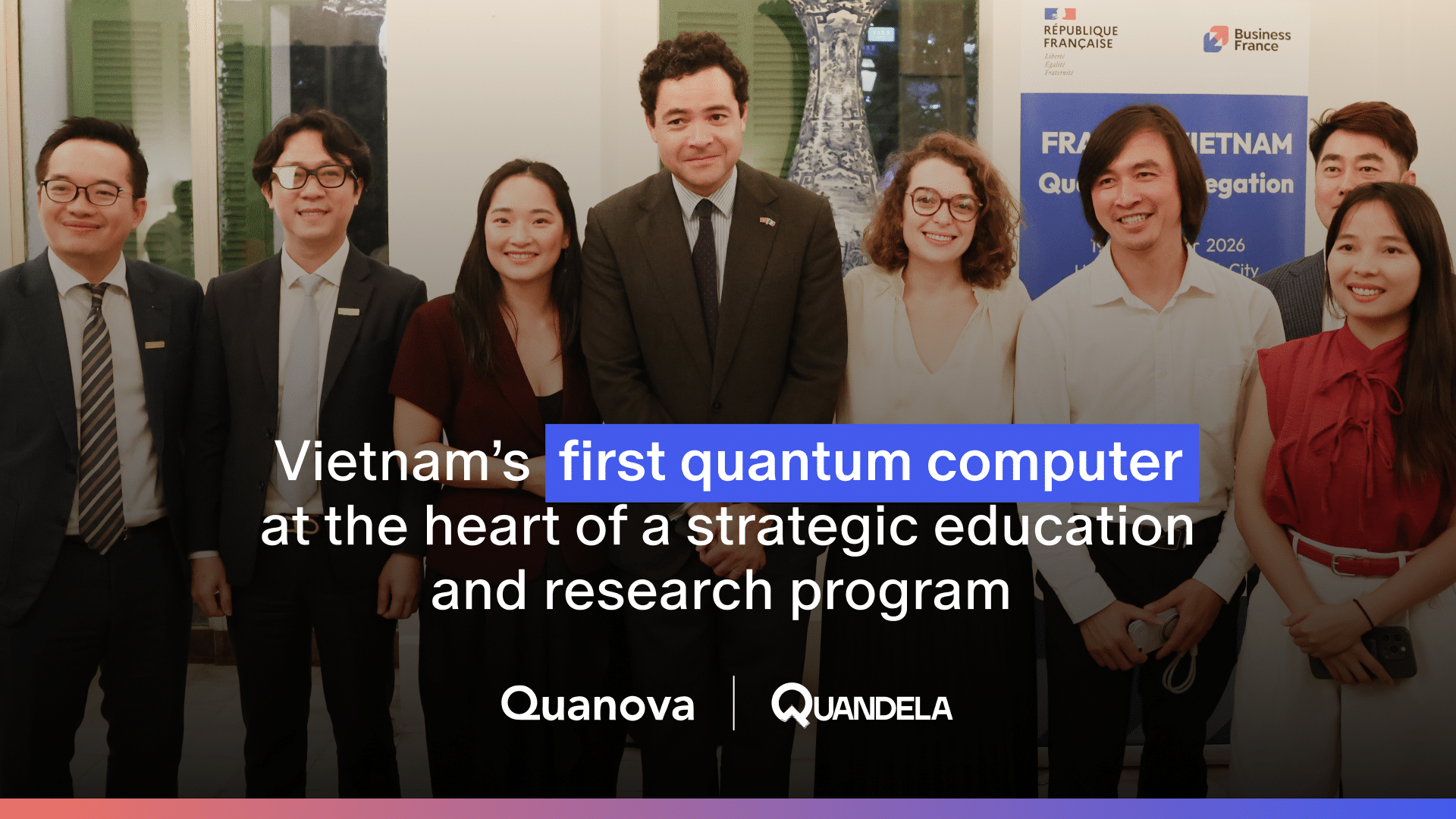 Quandela And Quanova Partner to Deploy Vietnam’s First Quantum Computer
Quandela and Quanova are launching Vietnam’s first photonic quantum computer at Quang Trung University, backed by Nam A Bank and a comprehensive education‑research program.
 Governor Hochul Announces New Study Highlighting New York’s Position as a National Leader in Quantum Technology
New York’s $360 million quantum investment, highlighted by a state‑commissioned study, positions the Empire State as the nation’s second‑largest hub for quantum businesses, research and patents, while outlining a roadmap for coordinated commercialization.
 Counting magnetic flux quanta offers new way to measure photon numbers
A new superconducting detector counts photons by measuring magnetic flux quanta generated when each photon creates a pair of vortices, offering fast, high‑resolution photon‑number detection for quantum technologies.
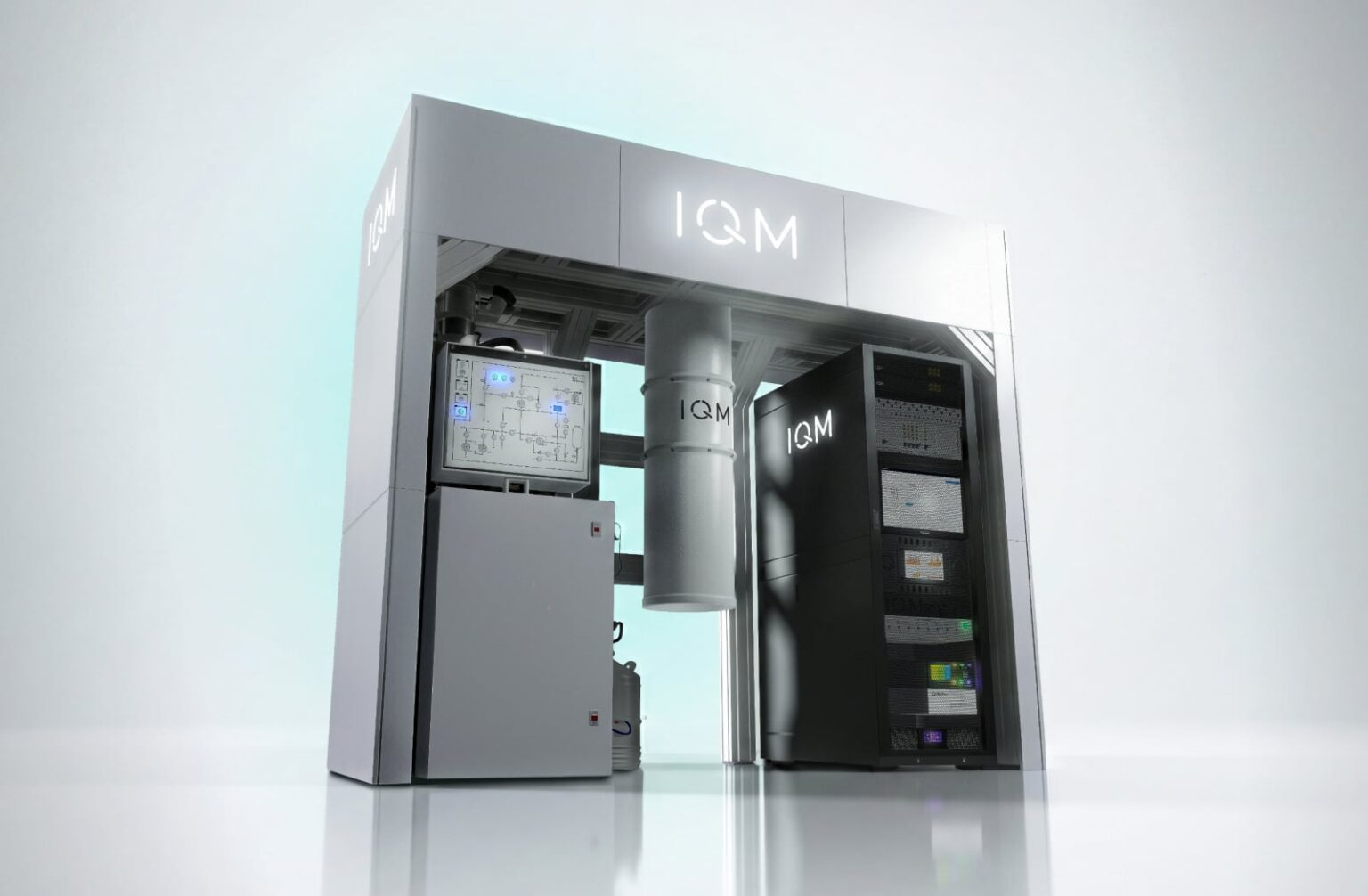 Telefónica and IQM to Deploy Community of Madrid’s First On-Premises Quantum Computer at Universidad Politécnica de Madrid
Telefónica and IQM are installing Spain’s first on‑premises quantum computer in the Community of Madrid at Universidad Politécnica de Madrid, creating a local hub for research, training, and post‑quantum security.
Saturday, October 24
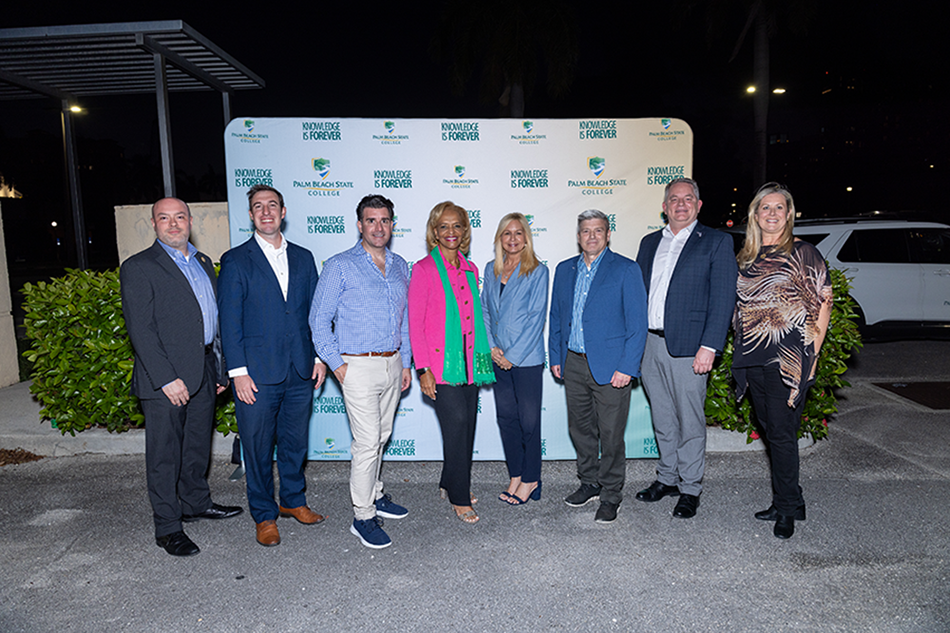 Palm Beach State College and FAU Activate First Operational Segment of Florida’s Statewide Quantum-Safe Network
Palm Beach State College and Florida Atlantic University have launched Florida’s first operational quantum‑safe link, using IonQ’s QKD hardware over dark fiber to protect academic and research data while laying groundwork for a statewide quantum‑secure network and related workforce programs.
 UK and Singapore Align on Post-Quantum Cryptography Migration and Quantum Security Standards in Financial Sector
UK and Singapore have pledged joint regulatory and technical cooperation to guide financial institutions toward quantum‑safe cryptography and quantum key distribution, setting a foundation for harmonised global standards.
 Cloudflare Launches Post-Quantum GeoKey Manager with Hybrid ML-KEM-768 Encryption for Regional Data Sovereignty
Cloudflare’s beta‑only Post‑Quantum GeoKey Manager uses hybrid ML‑KEM‑768 + X25519 encryption to keep private keys confined to specific regions, helping enterprises meet data‑sovereignty rules while defending against future quantum attacks.
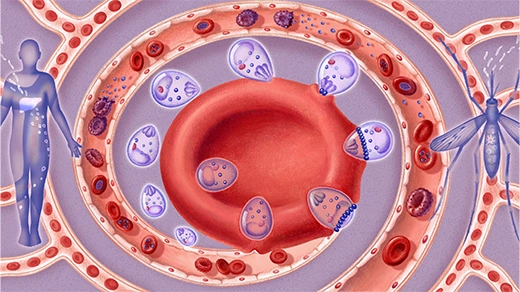 Malaria Parasite Caught in the Act of Breaking and Entering
New cryo‑electron microscopy images reveal how malaria parasites build a transient molecular doorway to slip into red blood cells, opening avenues for novel interventions.
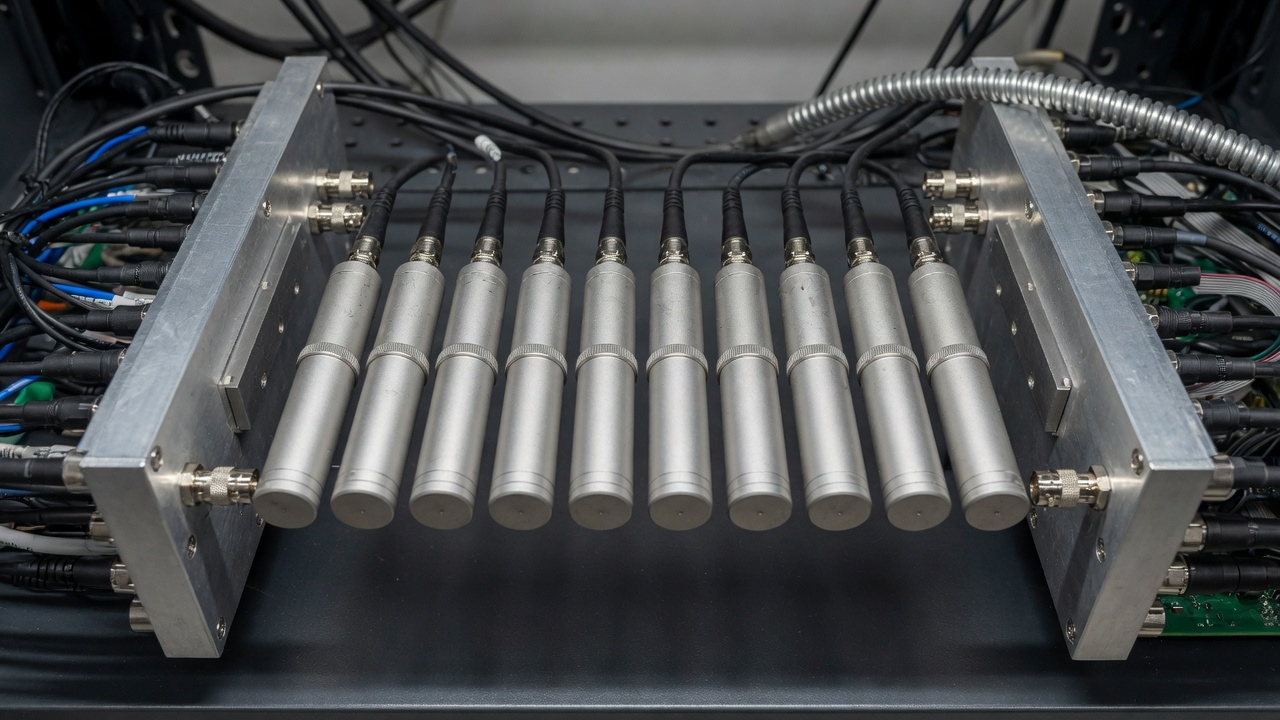 A new quantum thermometer hits both precision limits at once
A newly engineered quantum thermometer simultaneously reaches Heisenberg scaling and the low‑temperature Landau bound using a simple star‑topology of probes and local measurements.
 Dhanashree Boopathy joins SemiQon
 to apply her broad IC‑design expertise to the emerging field of cryogenic electronics.
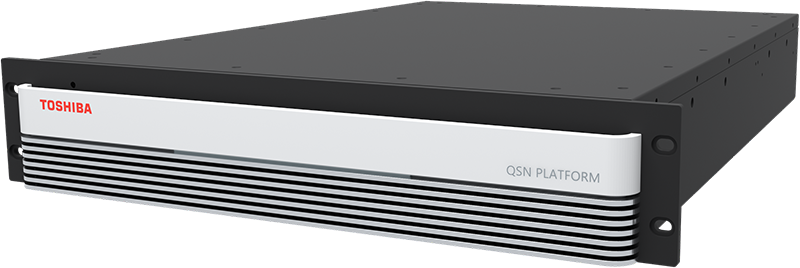 Toshiba Launches Modular QSN Platform to Scale Hybrid QKD and PQC Across Lit Fiber Networks
Toshiba’s new modular Quantum‑Safe Networking (QSN) platform lets quantum‑key distribution and post‑quantum cryptography share lit fiber, cutting costs and scaling secure communications for carriers and enterprises.
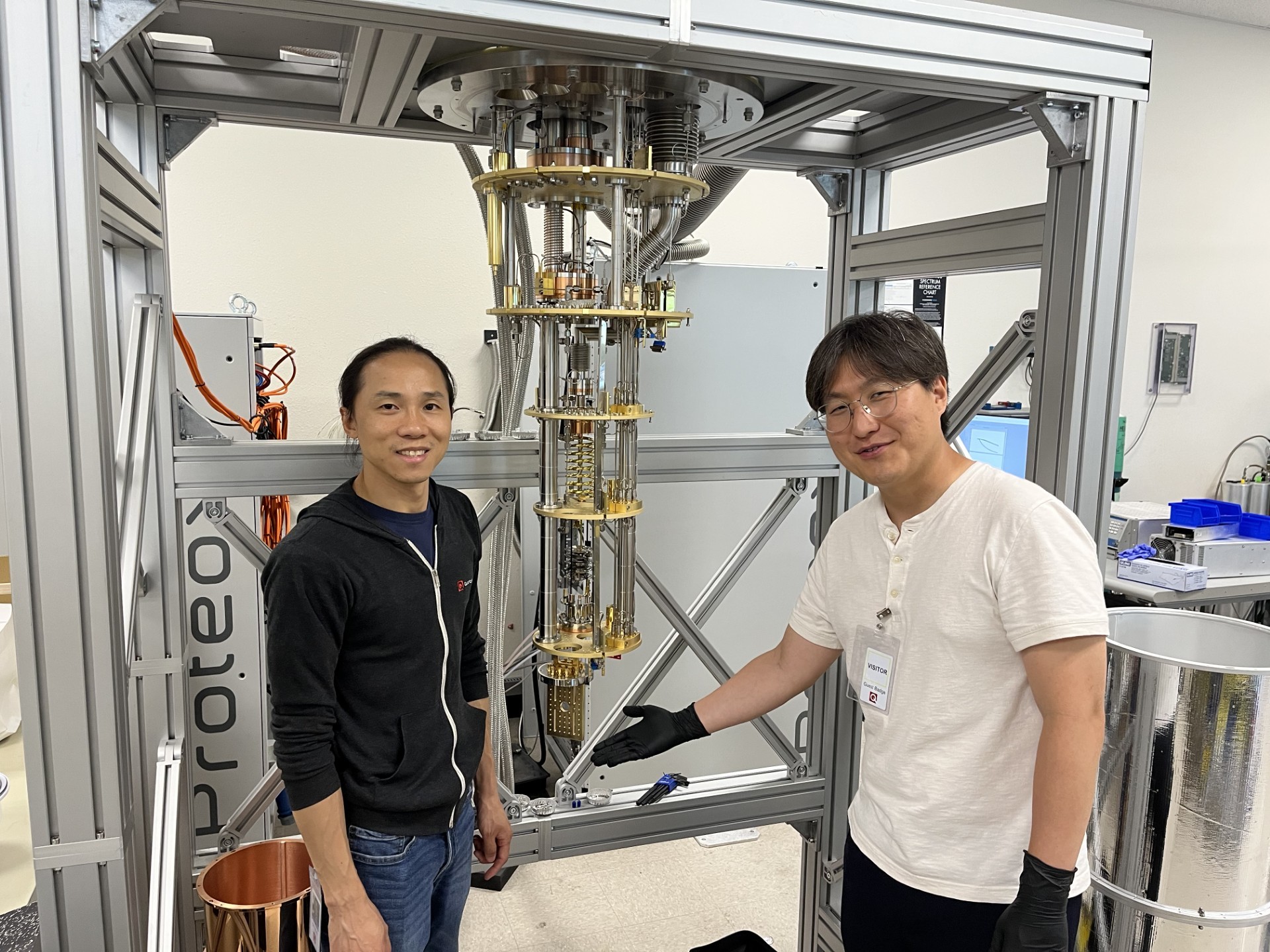 Quantum Design gives UCLA lab access to a ProteoxS fridge
Quantum Design is providing UCLA’s Wong lab with access to a ProteoxS dilution refrigerator to accelerate superconducting qubit research and workforce development in Southern California.
 Chiral superconductivity stabilized by hole doping
Hole doping a Chern ferromagnet can bind two holes to a magnon, forming chiral f‑wave skyrmion‑bipolaron pairs that become attractive at intermediate Ising spin‑orbit coupling, offering a microscopic route to chiral superconductivity.
 IBM supports award-winning projects in NEDO Challenge
IBM’s extensive hardware, education, and collaborative support helped six of nine NEDO Quantum Challenge winners complete their projects using IBM quantum computers.
 'One-positron cyclotron' could test a key prediction of the Standard Model
A single positron trapped in a cryogenic Penning trap enables ultra‑precise magnetic‑moment measurements, offering a powerful new test of CPT symmetry in the Standard Model.
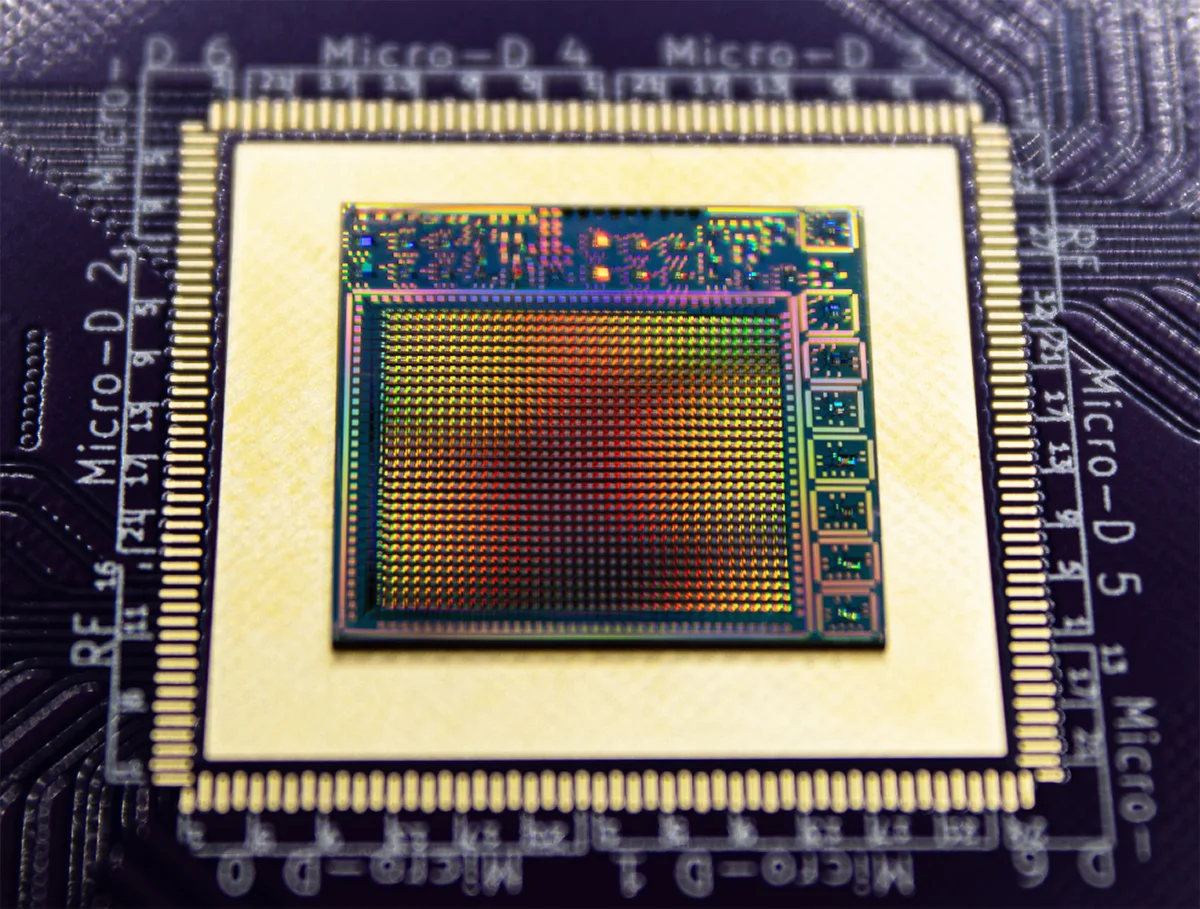 Brookhaven Lab Debuts Chip for Fusion Plasma Monitoring
Brookhaven Lab’s new superconducting neuromorphic chip can process fusion‑plasma data at gigahertz speeds, showing promise for real‑time disruption prediction in tokamaks.
 enQase’s quantum-safe framework boosts crypto agility with four parts
EnQase’s four‑pillar quantum‑safe framework helps financial firms build ongoing crypto‑agility to counter quantum threats, emphasizing inventory, risk assessment, policy‑driven migration, and continuous governance.
 UK and Singapore deepen ties on quantum tech and digital finance
The UK and Singapore are expanding cooperation beyond traditional finance, focusing on quantum technology, AI‑driven digital finance, and sustainable capital market reforms.
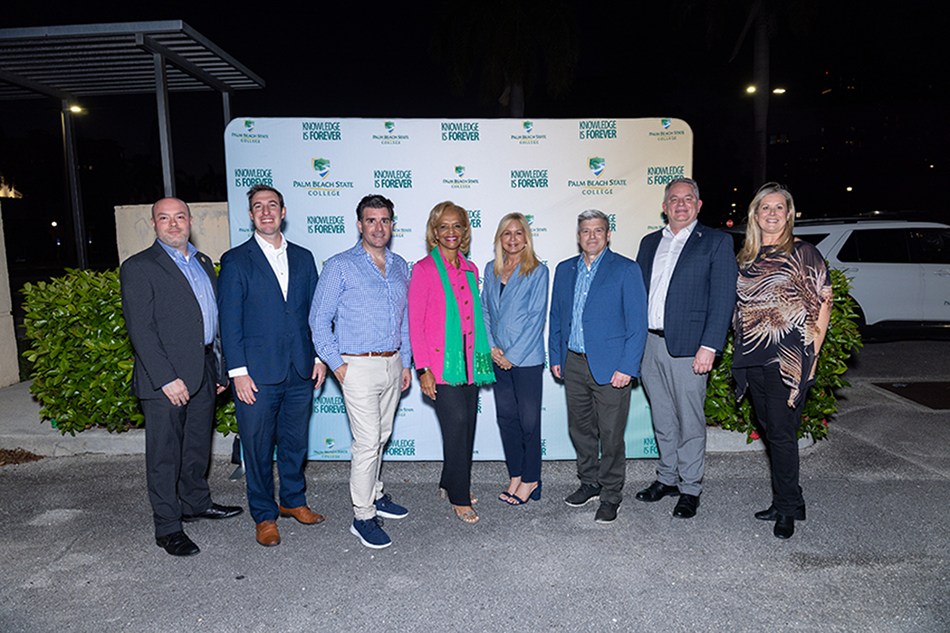 Florida’s first quantum-safe network links Palm Beach State, FAU
Palm Beach State College and FAU have launched Florida’s first quantum‑safe network segment using IonQ QKD over dark fiber, marking the start of a statewide secure communications infrastructure.
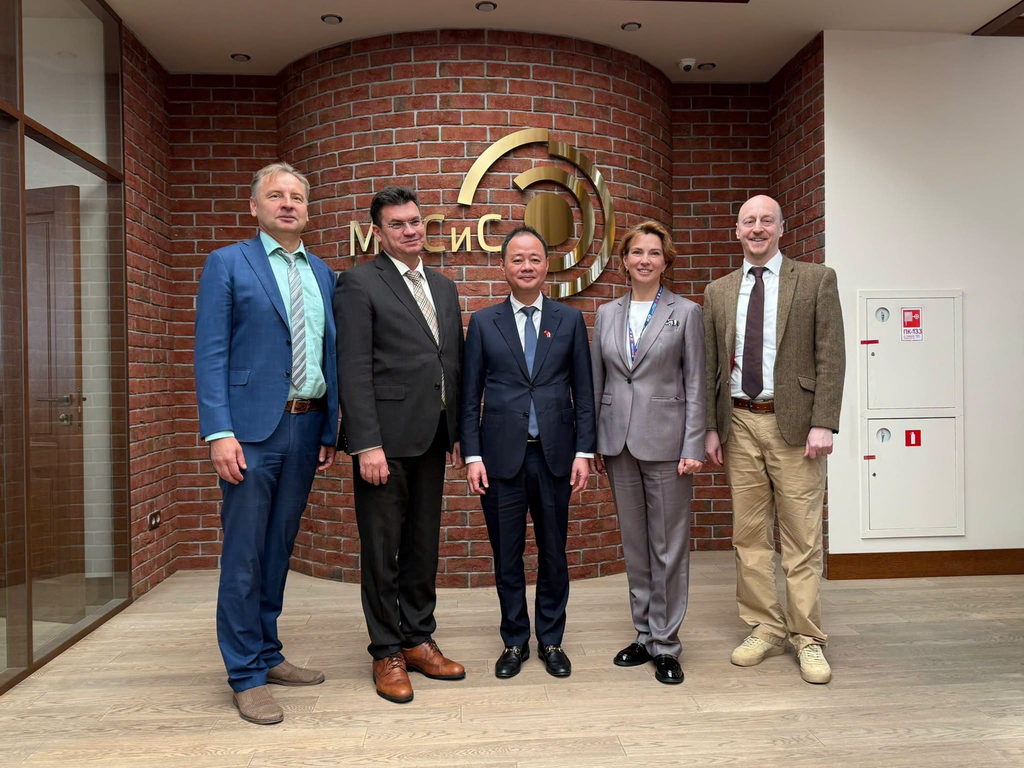 Vietnam and Rosatom Finalize Quantum Cooperation Roadmap as Hanoi Shapes 2045 Strategy
Vietnam and Rosatom have signed a roadmap to develop Vietnam’s quantum capabilities while the country drafts a 2045 national quantum strategy.
 Project Eleven and Relm Insurance Partner to Introduce Post-Quantum Security Metrics into Digital Asset Underwriting
Project Eleven and Relm Insurance are teaming up to embed post‑quantum cryptography metrics into digital‑asset underwriting, creating incentives for custodians to adopt quantum‑resilient signing methods.
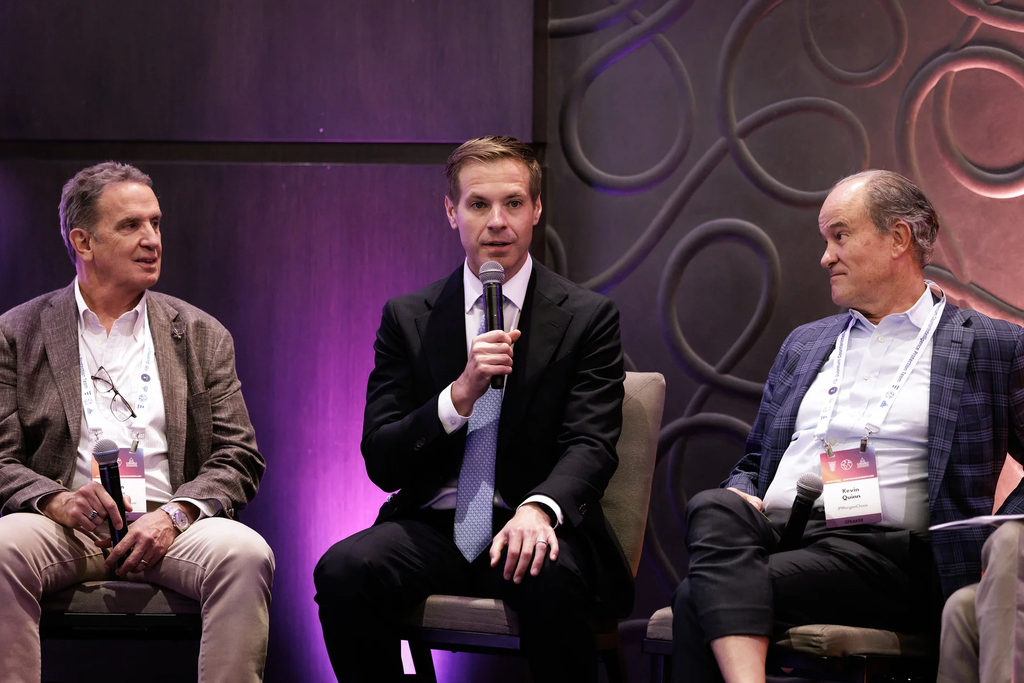 Monarch Quantum Supplies Integrated Photonics for Next Phase of NASA and Infleqtion’s Space-Based Gravity Gradiometer
Monarch Quantum is delivering rugged integrated photonics to enable Infleqtion’s NASA‑backed quantum gravity gradiometer, a space‑based cold‑atom sensor slated for a 2030 LEO demonstration.
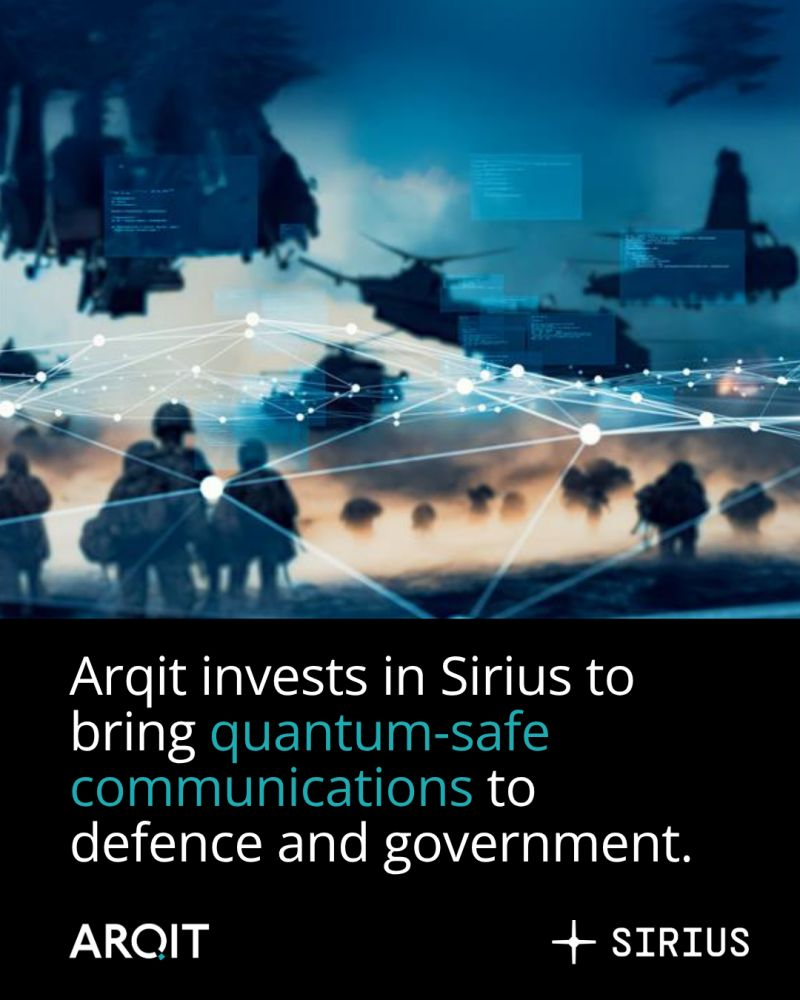 Arqit Invests in Sirius to Scale Tactical Edge Quantum-Safe Networking Following NATO Contract Selection
Arqit’s investment in Sirius expands a joint quantum‑safe networking solution for NATO‑selected tactical edge communications, marrying software‑defined key orchestration with Sirius’s Crux SD‑N platform.
 NowSecure Benchmark Finds 97% of Mobile Applications Lack Post-Quantum Cryptography Ahead of Mandated Timelines
NowSecure’s benchmark shows that roughly 97% of mobile apps still lack any post‑quantum cryptography, exposing a major security gap as regulatory deadlines approach.
Sunday, October 25
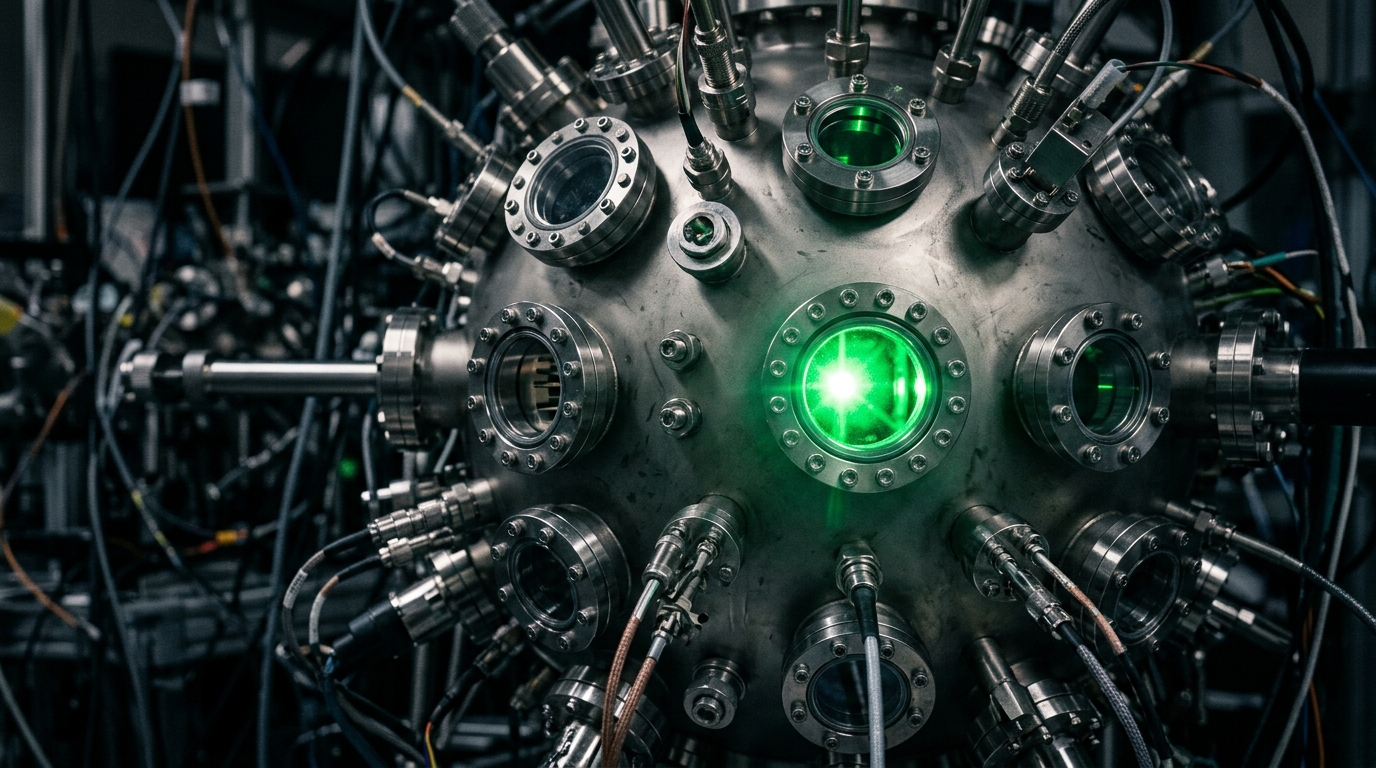 Quantum sensor research earns Oklahoma State University’s Liu a top physics honor
OSU physics professor Yingmei Liu was named a 2026 APS Fellow for pioneering work on spinor Bose‑Einstein condensates, quantum walks, and Oklahoma’s only programmable quantum simulator that advances quantum sensing.
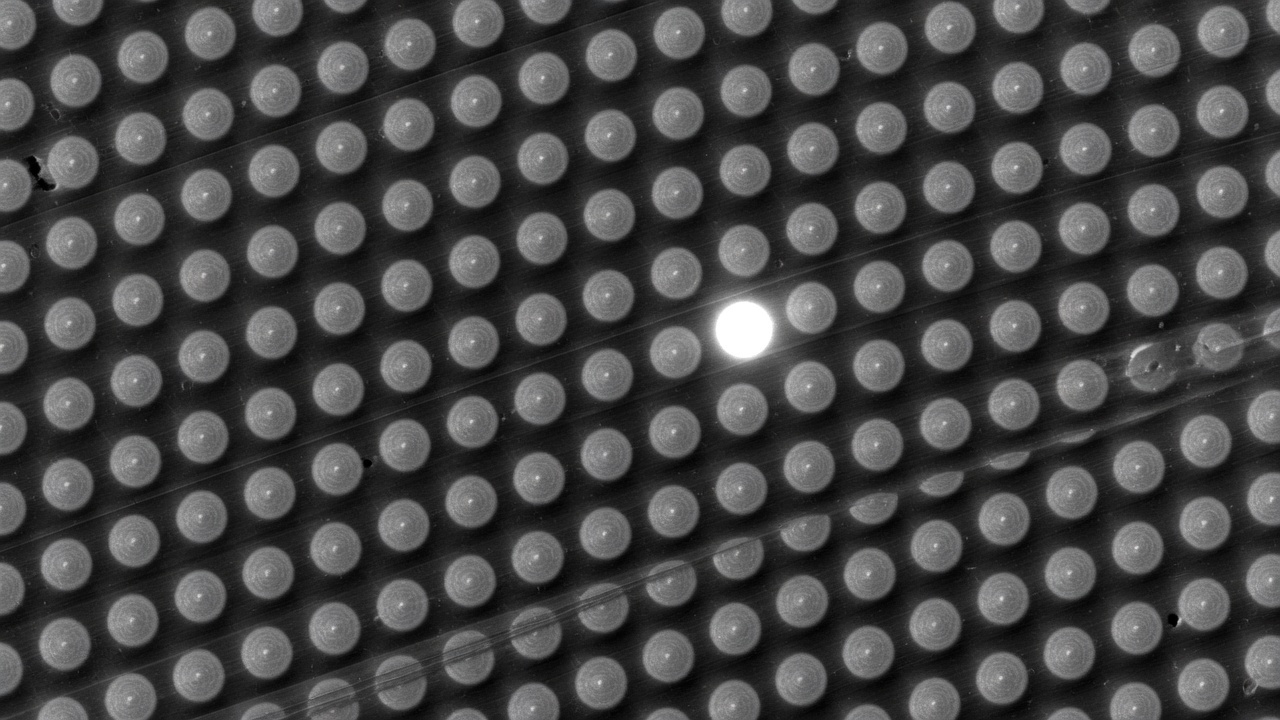 Supercurrent enables reading qubit states without destruction
Andreev qubits can encode their state in an intrinsic supercurrent, enabling a near‑non‑destructive readout that avoids ancillary qubits.
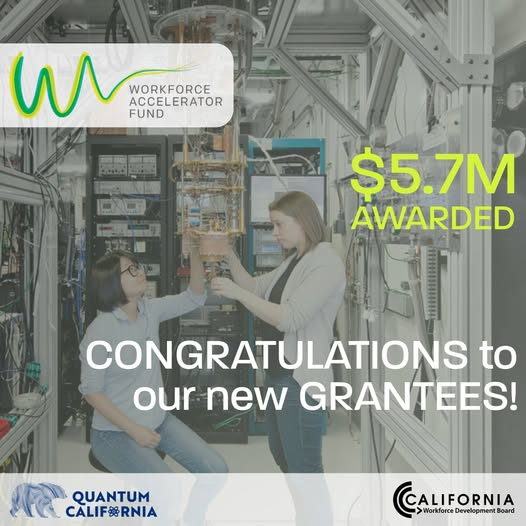 California Awards $5.7 Million in Workforce Grants to Establish Sub-Doctoral Quantum Hardware and Technician Pipelines
California’s Workforce Development Board is investing $5.74 million in five partnerships to create sub‑doctoral training pipelines for quantum hardware technicians and related deep‑tech roles.
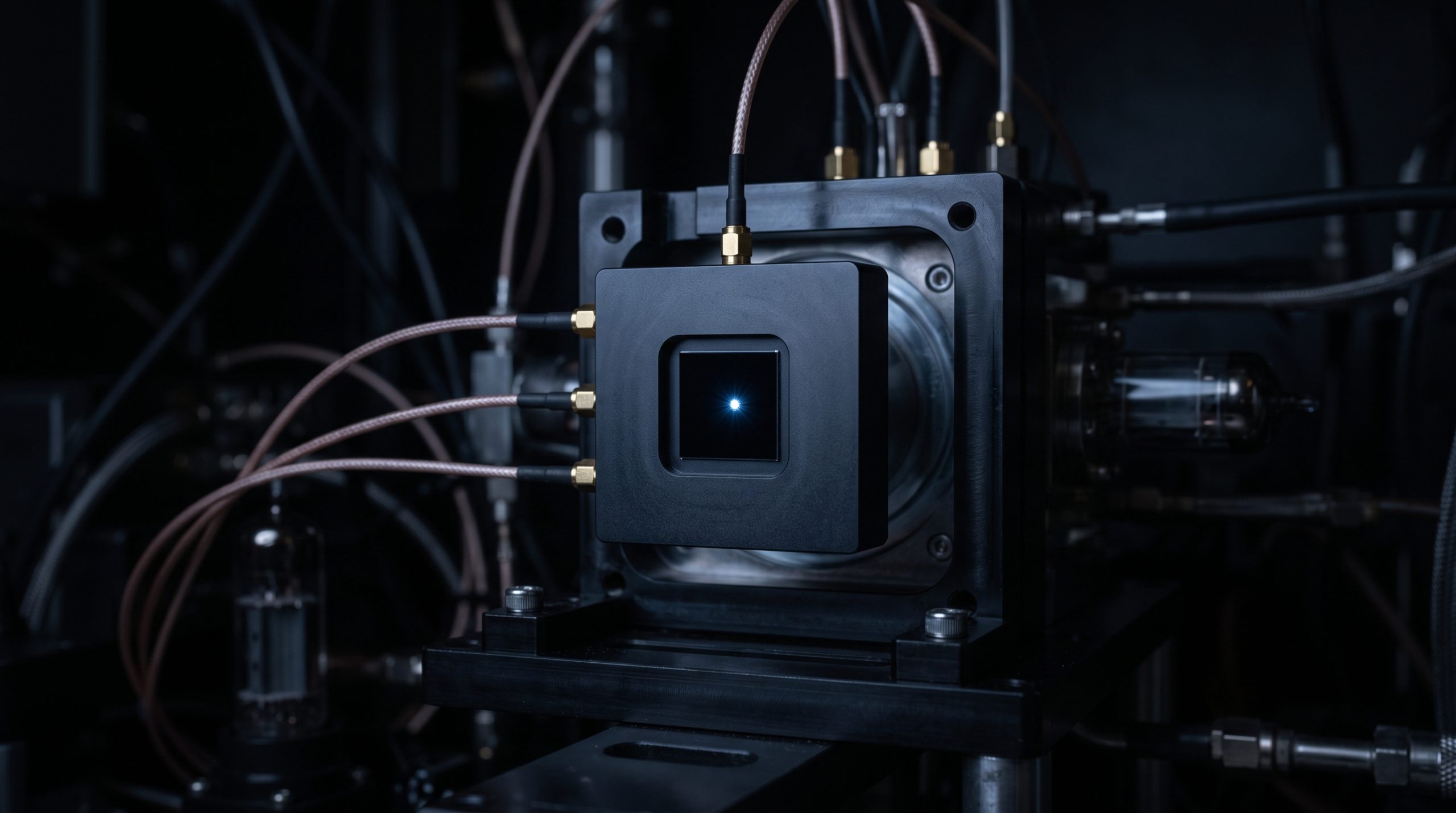 Researchers Distinguish 355 Sets of Five Quantum States with Local Operations
A team classified 371 five‑particle orthogonal product state configurations, showing that local operations and classical communication can perfectly distinguish 355 of them, while 16 remain indistinguishable.
 Nagoya University Team Unifies Quantum Divergence Extensions
Nagoya University researchers show that diverse quantum f‑divergences can be treated uniformly through a retrodictive‑test variational principle, enabling simultaneous optimisation across all operator‑convex functions.
 Researchers Simulate Cooling of 500-Ion Crystal
A new molecular‑dynamics code enables semiclassical simulations of electromagnetically induced transparency cooling for ion crystals up to 500 ions, advancing quantum‑sensor design while highlighting remaining modeling challenges.
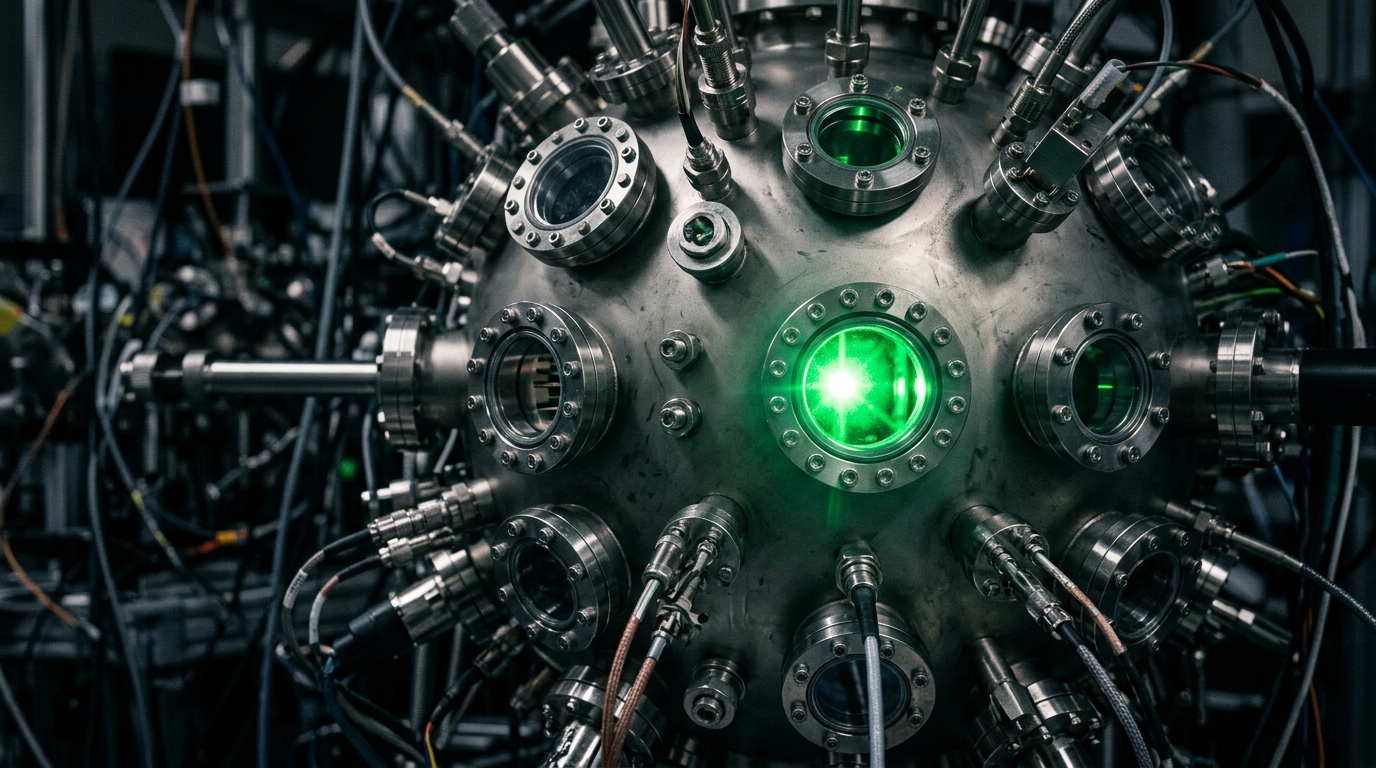 Researchers Map Axion’s Quantum State with New Measurement Tool
A new quantum‑field formalism lets researchers predict exact axion‑induced count distributions in cavity haloscopes, revealing non‑Poissonian signatures that could distinguish Gaussian, coherent or Bose‑Einstein‑condensate dark‑matter states, though current detectors lack the sensitivity to observe these effects.
 Researchers Boost Force Sensor Signals Using Free Electrons
A theoretical study shows that vibrating optomechanical membranes can imprint force information onto free‑electron recoil spectra, offering a potentially higher‑sensitivity alternative to conventional optical force sensors.
 Researchers Propose Networked Sensor for Better Spectra
A new distributed dual‑comb spectroscopy scheme uses a single squeezed‑light source to entangle multiple sensors, promising scalable broadband measurements but still lacking experimental proof.
 Researchers Chronicle Yakir Aharonov’s Quantum Foundations Work
An oral‑history interview reveals how Yakir Aharonov’s decades‑long collaborations shaped foundational quantum concepts such as the two‑state vector formalism, weak values, and protective measurements.
 Researchers Find Defects Induce Scale-Free Quantum Walk Localisation
A single non‑Hermitian defect in one‑dimensional quantum walks triggers scale‑free localisation and two distinct phase transitions, revealing how minimal imperfections can dramatically reshape quantum dynamics.
 Harvard University Simplifies Port-Based Teleportation Circuits
Harvard researchers have introduced a polylogarithmic‑depth quantum circuit for port‑based teleportation, simplifying its implementation and offering a new proof of parallelizable multi‑qubit operations.
 Researchers Bound Error in Kinetic Energy Approximation
New mathematical bounds show the Thomas‑Fermi‑von Weizsäcker kinetic energy approximation becomes exact on a defined “Poincaré density manifold” and converges at an optimal N⁻² rate.
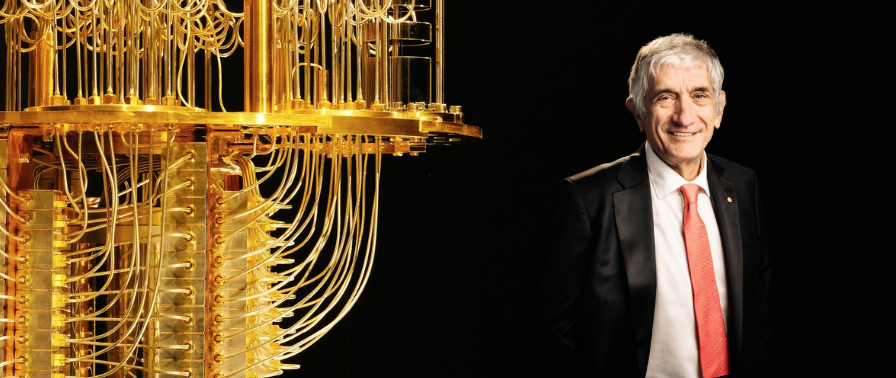 University of California’s Martinis to discuss qubit scaling
John Martinis will discuss the path from early qubits to scalable quantum computers, highlighting hardware, architecture, and algorithmic challenges.
 Disclosed Defence Money for Quantum Computing Roughly Doubled to Tripled in 2026 on Two Announced DARPA Deals
Defence quantum‑computing funding jumped roughly two‑ to three‑fold in 2026, driven almost entirely by two newly announced DARPA deals, while obligated spending actually fell.
 How Big Is the Quantum Defence Sector?
US defence quantum spending is verifiable at a few hundred million dollars a year, while broader market estimates vary wildly and should not be combined.
 Researchers Test Binary Quadrature Encoding on a 56-Qubit Chip
Binary quadrature encoding on Quantinuum’s 56‑qubit trapped‑ion chip offers a compact, low‑depth approach to boson‑matter simulations, outperforming unary and Dicke methods while highlighting noise‑sensitivity challenges.
 Researchers Link Particles & Antiparticles to Quantum Charge
A new study shows that an intrinsic “quantum charge” in wavefunctions, revealed through Uv‑invariance of the Weyl‑Heisenberg group, cleanly separates particles from antiparticles and resolves long‑standing negative‑probability paradoxes in first‑quantized relativistic models.
Free weekly email
This week in quantum
Every Monday, the week’s quantum briefings in one short email: what happened, why it matters, and the source. Unsubscribe anytime.